

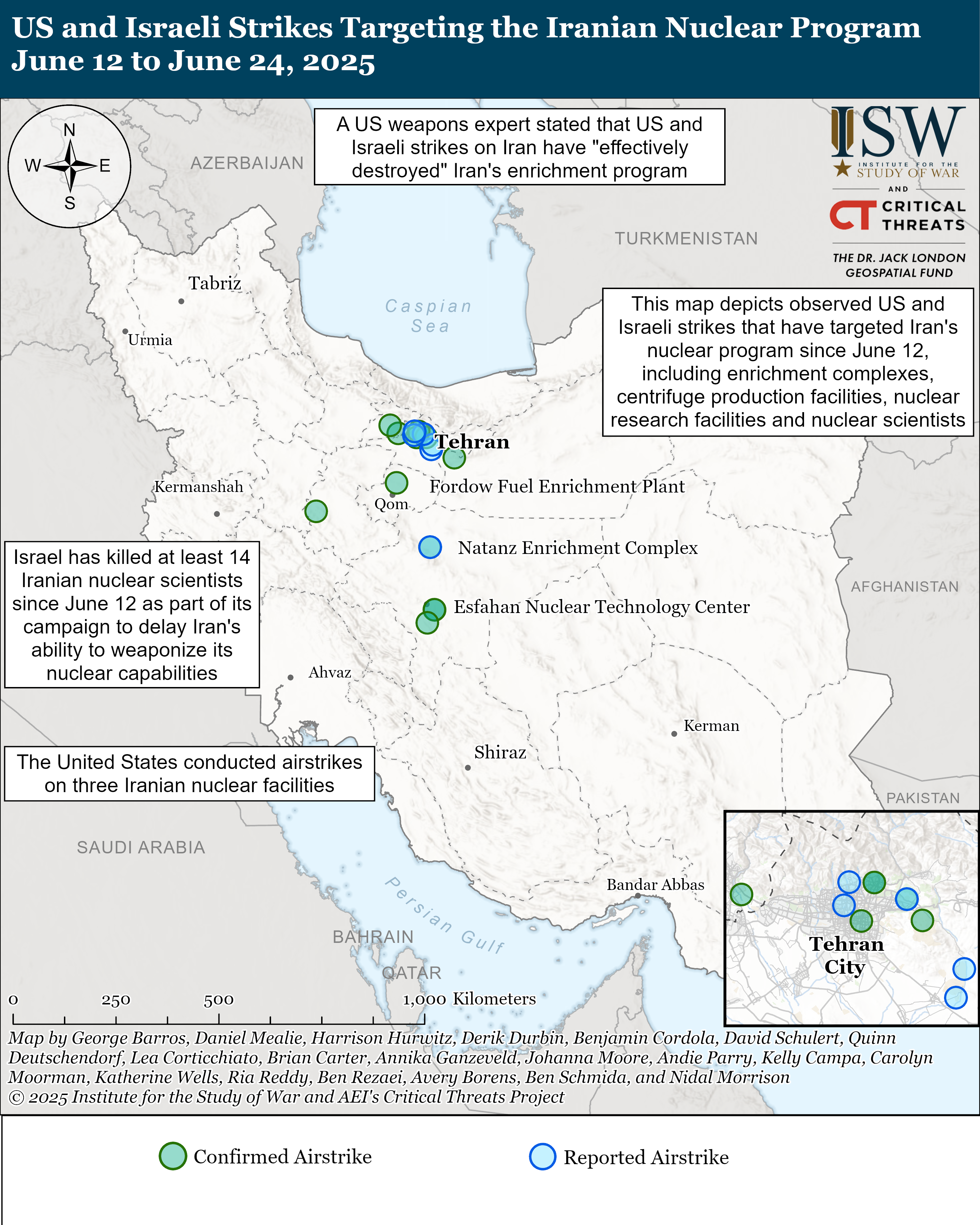
Geopolitical stability requires calibrated precision in the modern era. The United States is currently advancing a strategic US-Iran uranium deal to resolve long-standing nuclear tensions and secure a permanent end to Gulf hostilities. This framework proposes the release of $20 billion in frozen assets to Tehran in exchange for the total surrender of its highly enriched uranium stockpile. Consequently, this deal serves as a baseline for structural peace in the Middle East.
Structural Mechanics of the US-Iran Uranium Deal
Under this emerging proposal, Washington and Tehran are engaging in high-stakes negotiations to facilitate a “cash-for-uranium” exchange. The technical execution involves a two-pronged approach to nuclear de-escalation:
- External Transfer: Iran will ship specific portions of its uranium stockpile to a designated third country for safe storage.
- In-Country Processing: Iranian technicians will down-blend the remaining stockpile under rigorous international monitoring.
- Verification: All facilities must remain above ground and subject to continuous verification mechanisms to ensure compliance.

While the deal restricts military enrichment, it allows Iran to maintain nuclear research reactors for medical isotope production. This precision-focused compromise ensures that humanitarian science continues while removing the threat of weaponization. Furthermore, the global community views this as a vital stabilization move for the energy sector.
Islamabad as a Geopolitical Catalyst
Significantly, the second round of these critical negotiations will take place in Islamabad this Sunday. This development positions Pakistan at the center of the global diplomatic track. By hosting these talks, Pakistan acts as a strategic catalyst for regional harmony. The choice of Islamabad underscores the country’s evolving role as a neutral ground for high-level international arbitration.
The Situation Room Analysis
The Translation (Clear Context)
The “cash-for-uranium” framework is essentially a risk-mitigation strategy. By exchanging liquidity ($20 billion) for raw nuclear material, the US effectively neutralizes Iran’s immediate breakout capacity without a full military engagement. It is a strategic trade-off where economic relief is used as a lever for global safety. The 3-page peace deal aims to provide a lean, high-impact blueprint for ending the “Gulf War” status officially.
The Socio-Economic Impact
For the average Pakistani citizen, this deal is a harbinger of regional economic stability. A peaceful Gulf leads to stabilized oil prices and more secure trade routes in the Strait of Hormuz. For Pakistani professionals and students, Islamabad’s role as a mediator enhances the nation’s “Diplomatic Equity,” potentially opening doors for more international partnerships and foreign direct investment as the world recognizes Pakistan’s strategic importance.

The Forward Path (Opinion)
This development represents a definitive Momentum Shift. While critics may argue about the scale of the asset release, the structural removal of enriched uranium is a tangible win for non-proliferation. The fact that negotiations have moved to Pakistan suggests that both parties are seeking a pragmatic, non-Western-centric resolution. This is progress, not just maintenance.








