
Sindh High Court Demands Urgent Action
The stray dog crisis in Sindh has prompted a critical directive from the Sindh High Court (SHC). Recently, a Constitutional Bench ordered the Sindh government and other relevant authorities to submit comprehensive reports. This must happen within four weeks. Essentially, this mandate stems from a petition. It highlights the provincial government’s failure to control the escalating stray dog population. Furthermore, it points to the alarming non-availability of essential rabies vaccines under its control program.
Justice Yousuf Ali Saeed presided over the two-member bench. The court heard a petition filed by Advocate Tariq Mansoor. The petitioner stressed that authorities have failed to implement effective measures. This failure persists despite previous judicial directives. Consequently, this exacerbates a pressing public health issue.
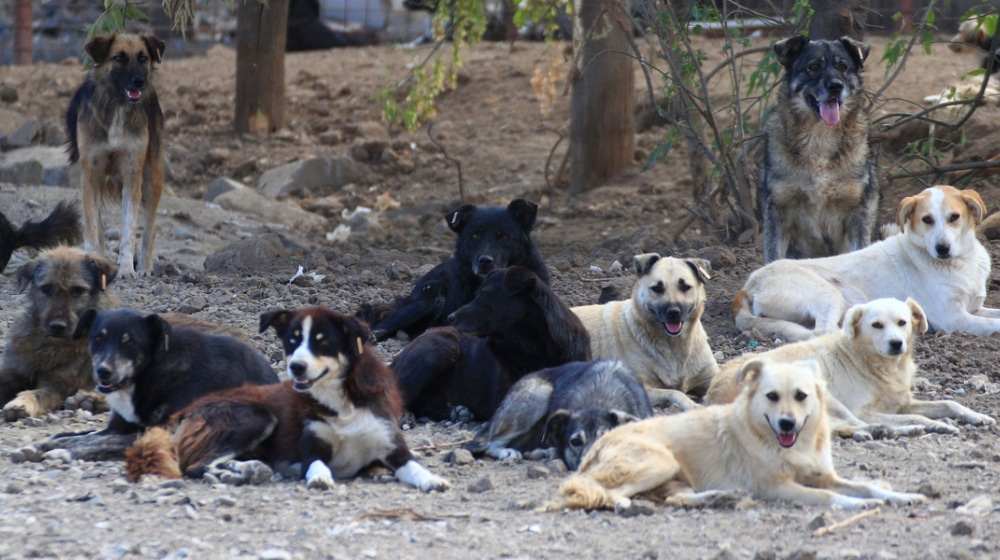
Escalating Stray Dog Crisis: A Grim Reality in Sindh
During the recent hearing, a grim reality emerged regarding the stray dog problem. At least 22 individuals tragically lost their lives due to dog bites in 2023 alone. Moreover, a staggering 29,000 people sustained injuries across Sindh. These figures clearly underscore the severe and widespread impact. The uncontrolled stray dog population significantly affects public safety and health within the province.
The petitioner’s counsel reminded the court about earlier directives. In fact, as far back as 2022, the Sindh High Court had urged authorities. They were to implement concrete measures against stray dogs. Additionally, the court called for establishing a robust rabies control program. However, these crucial directives have largely remained unaddressed.

Humane Solutions Neglected and Helplines Silenced
The proposed rabies control program emphasized humane population control practices. This included advocating for sterilization and vaccination campaigns. These were presented as ethical alternatives to mass culling. The program’s goal was two-fold:
- Manage the stray dog population ethically.
- Safeguard citizens from rabies and other dog-borne illnesses.
Nevertheless, the failure to implement such programs suggests a clear lack of commitment. This impacts both animal welfare and public health. Adding to these concerns, the Karachi Metropolitan Corporation’s (KMC) helpline 1093 is now non-functional. This helpline was specifically for complaints regarding stray dogs. Therefore, citizens cannot report incidents or seek assistance, further worsening the problem.

Court’s Firm Stance Demands Accountability
Justice Yousuf Ali Saeed, leading the bench, sternly questioned the government lawyer. He inquired about the persistent failure to comply with earlier court orders. This line of questioning highlighted the judiciary’s serious concern. It reflects the executive’s inaction in a matter of significant public interest.
In response, the law officer claimed rabies vaccines were indeed available. He also provided assurances to the court. A detailed report would be promptly obtained from the relevant Director General. Subsequently, it would be submitted for judicial review. The court made it clear that it would thoroughly review all aspects. This includes the detailed reports, before issuing any further orders. This signals a determined approach to resolving the stray dog crisis in Sindh.

The Path Forward: Urgent Action Required
The High Court’s firm stance is a clear signal. The Sindh government must prioritize addressing the stray dog issue. It demands urgent attention. The upcoming reports will prove crucial. They will determine the concrete steps taken or planned by authorities. This encompasses vaccine availability and sustainable, humane population control strategies. For example, widespread sterilization and vaccination programs are vital.
Meanwhile, the public awaits decisive action and tangible results. These are expected from the provincial administration. The court’s continued oversight offers a glimmer of hope. It suggests the alarming rise in dog bite incidents will be effectively tackled. This includes associated public health risks, especially rabies. Ultimately, this ensures the safety and well-being of Sindh’s citizens.








