National advancement depends on the structural precision of our financial architecture. While trade and remittances often dominate the headlines, Foreign Currency Deposits represent the calibrated baseline of our economic defense. These deposits are not merely static banking products for high-net-worth individuals. Instead, they serve as a critical catalyst for macroeconomic stability and a primary buffer against external financial shocks.
Strengthening Pakistan’s Economy Through Foreign Currency Deposits
Foreign exchange liquidity strengthens when citizens hold Foreign Currency Deposits within the regulated banking system. This internal reserve reduces our national reliance on expensive short-term external borrowing. Furthermore, these funds offer a stable alternative to volatile portfolio inflows. Overseas Pakistanis and local exporters provide the anchor for this stability through their long-term economic and emotional ties to the country.
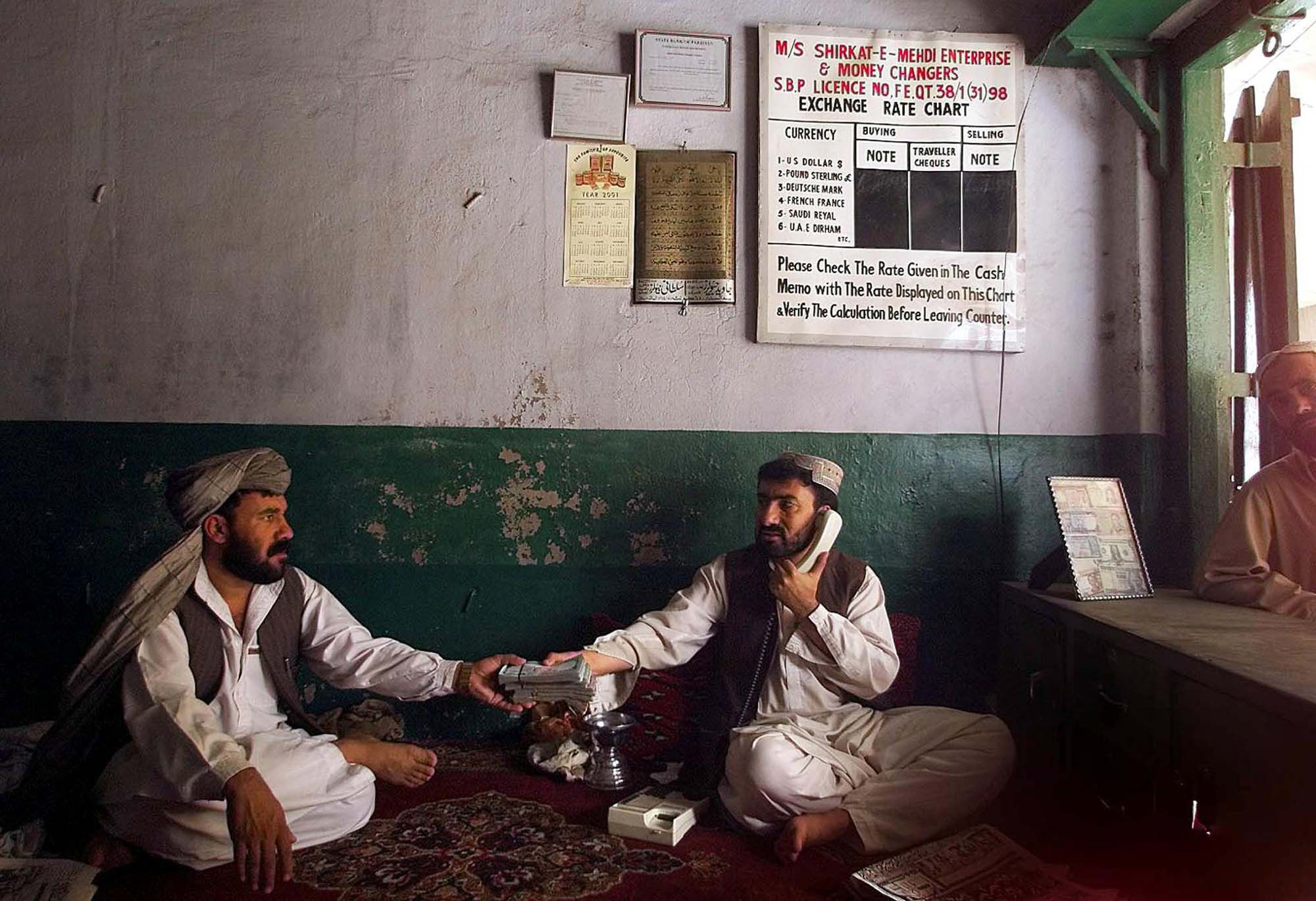
The strategic utility of these accounts extends beyond simple savings. Modern businesses require seamless access to foreign exchange to manage cross-border expenses and mitigate currency risk. Consequently, a robust deposit base allows the financial system to support trade and investment more efficiently. When the banking sector offers transparency and usability, it naturally retains capital within the formal economy.
The Role of Innovation in Capital Retention
Trust and policy continuity are the decisive factors that govern depositor behavior. Historically, disruptions in access have created sensitivity among depositors regarding transparency and service quality. To address this, banks must evolve Foreign Currency Deposits from passive savings into fully functional financial tools. Seamless digital access and transparent fee structures are essential to maintain global competitiveness.

Innovation acts as a significant enabler in this transformation. Faysal Bank Limited recently introduced debit cards linked directly to foreign currency accounts. This move allows account holders to withdraw cash abroad and handle international payments without friction. Such customer-centric solutions align modern banking expectations with the national goal of retaining strategic foreign exchange reserves.
The Situation Room Analysis
The Translation (Clear Context)
Think of Foreign Currency Deposits as the shock absorbers of a vehicle. In this case, the vehicle is the Pakistani economy. While the government earns money through exports (the engine), these deposits provide the necessary cushion to navigate bumpy global financial markets. By keeping dollars and euros in local banks rather than offshore accounts, the system gains the “liquidity” needed to pay for imports without causing a currency crisis.

The Socio-Economic Impact
For the average Pakistani household or professional, a stable banking system means lower inflation and a predictable exchange rate. When banks have sufficient foreign reserves through Foreign Currency Deposits, the value of the Rupee remains more consistent. This stability protects the purchasing power of families. Additionally, tools like foreign currency debit cards allow freelance professionals and travelers to manage their global earnings with precision and ease.

The Forward Path (Opinion)
This development represents a Momentum Shift. The move from viewing foreign currency as a “stored reserve” to a “usable asset” is a game-changer for Pakistan’s financial sector. However, the government must ensure long-term policy consistency to maintain this trajectory. If regulators continue to support innovations like those seen at Faysal Bank, Pakistan can transform temporary inflows into lasting national confidence and sustainable growth.
Author Insight: Zubair Yaqoob is a senior investigative journalist with 37 years of experience across multiple media formats. Reach him at zubairkidy@yahoo.com.