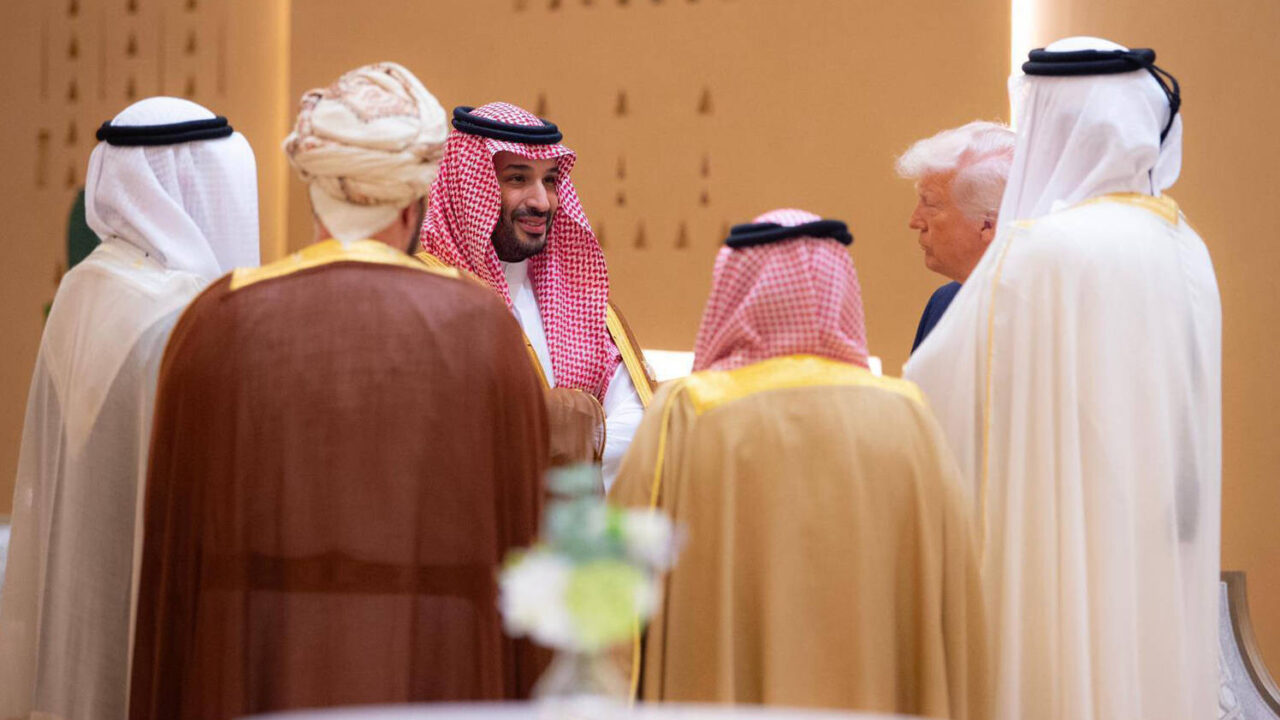
The formation of a new Pakistan Turkey alliance for regional security is strategically underway, involving Saudi Arabia and potentially Egypt. This structural initiative aims to establish precise, regular cooperation on critical regional issues. Discussions are currently being hosted at the Antalya Diplomacy Forum, marking a significant step towards enhanced strategic coordination. This collaborative framework moves beyond existing diplomatic efforts related to current conflicts, setting a new baseline for regional stability.
The Translation: Decoding the Pakistan Turkey Alliance Architecture
This evolving regional security initiative signifies a proactive approach to stability, moving beyond ad-hoc responses. The proposed platform is not merely a series of bilateral discussions; rather, it is designed as a foundational mechanism for sustained collaboration. It seeks to formalize strategic dialogue and operational coordination among key regional players. Consequently, this initiative establishes a baseline for future collective security endeavors, ensuring a more unified front against emerging threats.
Officials confirm these discussions focus on a long-term framework. Previously, Turkey explored participation in an existing Saudi-Pakistan defense understanding. Now, the scope appears broader, encompassing a new, inclusive alliance. This structural evolution demonstrates a collective commitment to robust regional security architecture, providing a deterrent and fostering greater mutual trust among the participating nations. The Pakistan Turkey alliance, therefore, represents a calibrated response to complex geopolitical challenges.
Socio-Economic Impact: Fortifying National Resilience
How does this strategic alignment for regional security directly influence the daily life of a Pakistani citizen? The emerging Pakistan Turkey alliance provides a robust framework for national stability, which is a direct catalyst for economic growth. Enhanced security reduces investment risks, encouraging both domestic and foreign capital flow. Furthermore, it safeguards trade routes and energy supplies, vital for sustaining household economies and industrial output. For students, this translates to a more predictable future, while professionals benefit from an environment conducive to job creation and sustained economic activity.
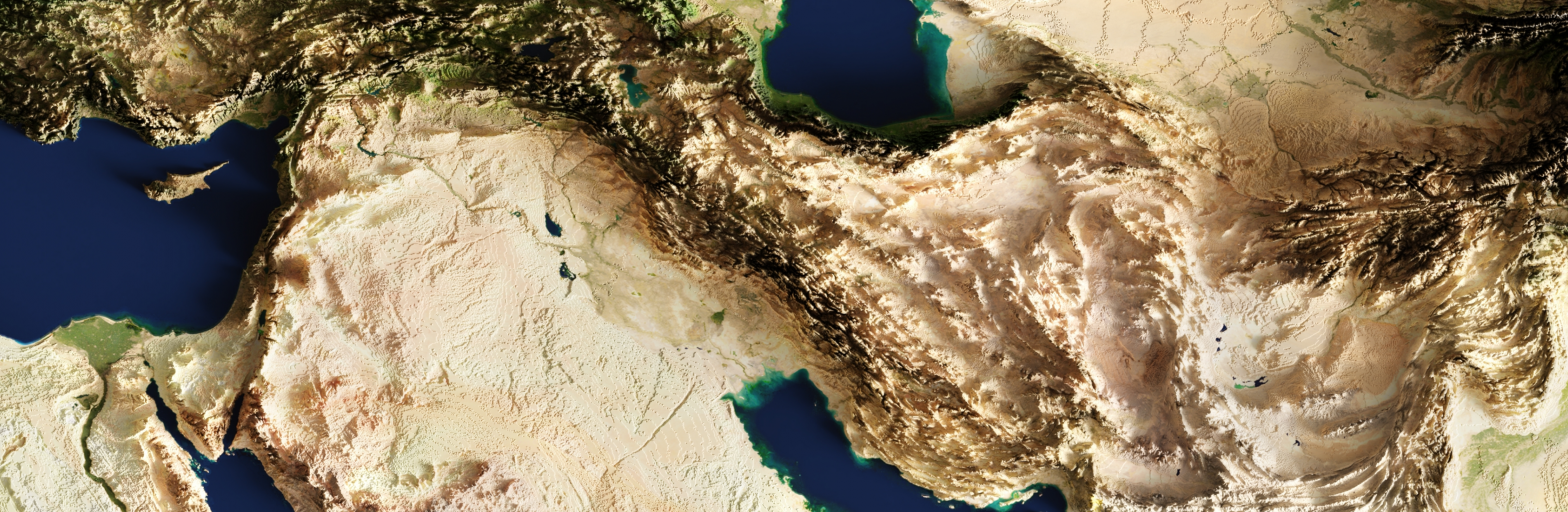
In urban centers, increased stability supports infrastructure projects and business expansion. Conversely, in rural areas, it secures agricultural supply chains and access to markets. This overarching security posture cultivates confidence across all sectors. Ultimately, a more secure region allows Pakistan to allocate fewer resources to immediate threats and more to development, education, and healthcare initiatives, thereby improving the overall quality of life.
The Forward Path: A Momentum Shift for Strategic Autonomy
This initiative represents a significant **Momentum Shift** for Pakistan’s strategic autonomy and influence. The calibrated formation of this new regional security alignment positions Pakistan as a pivotal actor in shaping the geopolitical landscape. It signals a departure from dependency on singular alliances, fostering a more diversified and resilient security posture. This structural reorientation is a precision move to stabilize the wider region.

Such an alliance empowers Pakistan to project stability and economic prosperity more effectively. It creates a powerful synergy among nations with shared strategic interests. The consistent diplomatic engagements, from Riyadh to Islamabad and now Antalya, underscore a serious, coordinated effort to materialize this vision. Therefore, this development is not merely maintenance; it is a catalyst for transformative progress in regional and international relations.