
Urgent: Punjab Initiates Critical Medicine Recall
In a significant move to protect public health, the Directorate of Drugs Control, Punjab, has issued an urgent Punjab medicine recall for two batches of medicines. These products were identified as substandard and adulterated following stringent quality tests by the Drug Testing Laboratories (DTL) Punjab. Consequently, the Provincial Quality Control Board promptly approved this recall. This action highlights the government’s unwavering commitment to ensuring the safety and quality of pharmaceutical products available to its citizens. Moreover, it underscores continuous efforts by regulatory bodies to rigorously monitor the pharmaceutical supply chain.

Substandard medicines pose considerable risks to patients. They can lead to treatment failures, adverse reactions, or even life-threatening complications. This latest recall serves as a crucial reminder of the absolute importance of vigilant oversight within the drug manufacturing and distribution sectors. Furthermore, it reinforces the need for strict quality control measures across the industry.
Understanding the Recalled Products: Neudex and Zeesol H
Injection Neudex 1mL: Declared Adulterated
One primary product affected by the recall is Injection Neudex 1mL (Dexamethasone Sodium Phosphate 4mg/mL). This medication, bearing Registration No. 42943, had specific batches (DX-63, DX-79, DX-80) declared adulterated. These batches were set to expire in October and November 2027. Dexamethasone is a powerful corticosteroid, frequently used for inflammatory and autoimmune conditions. Therefore, the adulteration of such a vital medication raises serious concerns about its effectiveness and potential harm to patients. This is a critical aspect of the Punjab medicine recall.
Zeesol H Infusion: Failed Sterility Tests
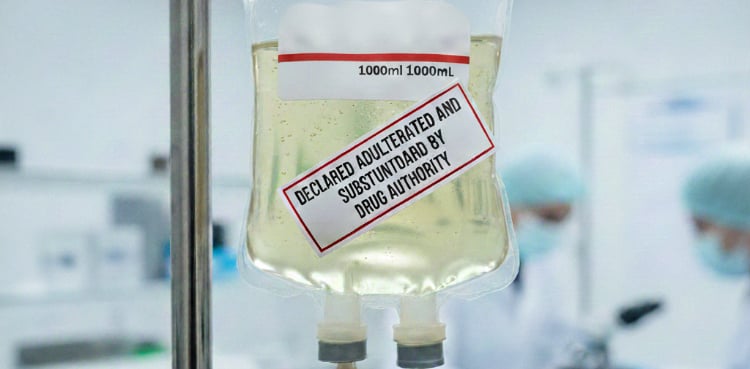
Additionally, authorities have recalled Zeesol H Infusion 1000ml (Ringer Lactate). This particular product failed essential sterility tests, indicating a potential risk of microbial contamination. The affected batch, 253281, expired in February 2023. Ringer Lactate is a common intravenous solution used for fluid replacement. Its contamination could unfortunately lead to severe infections in patients. Clearly, the failure of sterility tests points to critical lapses in the manufacturing process, potentially compromising patient safety significantly.
Mandatory Directives for Pharmaceutical Manufacturers
Following these concerning findings, authorities have issued stringent directives to the manufacturers of the recalled medicines. These directives aim to ensure a comprehensive and swift response to the identified safety concerns. Manufacturers are now mandated to:
- Immediately withdraw all concerned batches from the market.
- Submit complete distribution records to the regulatory authorities.
- Upload a comprehensive Recall Assessment Form on the Drug Regulatory Authority of Pakistan (DRAP) website.
- Conduct a detailed root cause analysis to pinpoint underlying issues leading to substandard quality.
- Prepare and implement a robust Corrective and Preventive Action (CAPA) plan, preventing similar incidents in the future.
These measures are vital for upholding accountability and strengthening quality assurance practices within the pharmaceutical industry. Consequently, they contribute significantly to public safety.

Instructions for Healthcare Facilities and Distributors
The Drug Control Directorate has also provided clear instructions for all stakeholders involved in medicine distribution and dispensing. Pharmacies, medical stores, wholesalers, distributors, and healthcare facilities across Punjab are advised to immediately stop dispensing the recalled medicines. Furthermore, they must report their inventory and consumption details for these specific batches to their respective Drug Inspectors without delay. This proactive approach helps to quickly remove substandard products from circulation and prevent further patient exposure.
To ensure widespread compliance and safeguard public health, all field formations within Punjab have been instructed to intensify supply chain surveillance. They are tasked with taking appropriate regulatory action under the Drug Act 1976 and the DRAP Act 2012. Ultimately, this vigilance is paramount for maintaining the integrity of the pharmaceutical supply chain and protecting the well-being of the population. This forms a crucial part of the overall substandard drug alert Punjab response.

Commitment to Public Health and Future Safeguards
The swift action by Punjab authorities to recall these substandard medicines truly underscores a strong commitment to public health and safety. Such incidents serve as critical reminders for continuous improvement in drug manufacturing standards and regulatory oversight. The measures taken extend beyond merely recalling faulty products; they aim to implement systemic changes to prevent recurrence. This ensures that only safe and effective medicines ultimately reach the market.
Patients and healthcare providers are strongly encouraged to remain vigilant. They should report any concerns regarding medicine quality to the relevant authorities. Collaborative efforts among regulatory bodies, manufacturers, distributors, and healthcare professionals are essential for maintaining a robust and trustworthy pharmaceutical landscape throughout Punjab.








