
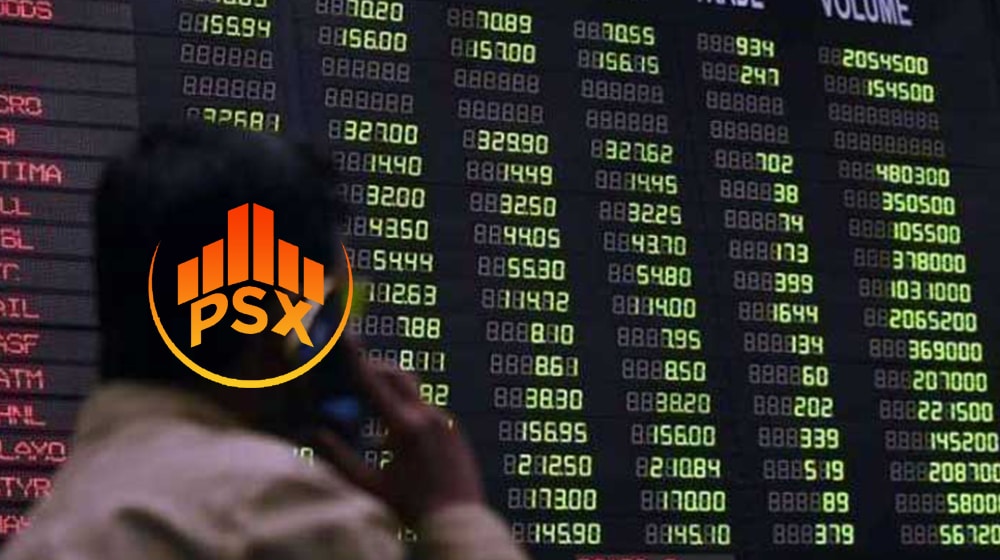
Pakistan has achieved a significant financial milestone, calibrating its economic architecture with a successful Pakistan Sukuk Auction at the Pakistan Stock Exchange (PSX). The government strategically raised Rs 116.4 billion through the inaugural Government of Pakistan Hybrid Sukuk (GHS), an innovative move that fundamentally strengthens the nation’s Shariah-compliant financing framework and propels the Islamic capital market forward.
This landmark achievement marks a pivotal step in developing Pakistan’s Islamic capital market. Furthermore, it significantly advances the sovereign Shariah-compliant financing program, demonstrating robust investor confidence in the nation’s financial instruments.
Calibrating National Finance: The Pakistan Sukuk Auction
The Translation: Deconstructing Hybrid Sukuk
The Pakistan Sukuk Auction successfully garnered Rs 116.4 billion in face value. This transaction, the first of its kind, combined Murabaha and Ijarah structures within a single sovereign Hybrid Sukuk framework. Essentially, this dual-component design allows the government to diversify its Shariah-compliant financing sources, moving beyond conventional debt instruments. Consequently, it contributes to the deepening sophistication of Pakistan’s domestic Islamic debt capital market.
Investor participation was notably strong, with total bids reaching Rs. 290.29 billion in face value and Rs. 280.482 billion in realized value. This robust engagement reflects a high degree of market confidence in Pakistan’s evolving Islamic financial sector. Lead Joint Financial Advisor, Meezan Bank, orchestrated this complex issuance in collaboration with Dubai Islamic Bank Pakistan, BankIslami Pakistan Limited, and Bank Alfalah Islamic, underscoring strategic inter-institutional cooperation.
Two distinct Shariah-compliant instruments were offered. The 1-Year Fixed Rate Discounted Sukuk concluded at an 11.8000 percent cut-off rate, indicating a calibrated increase of 30.01 basis points. In contrast, the 10-Year Variable Rental Rate Sukuk was priced at 11.7185 percent, aligned with an 11.3685 percent reference rate and a 35 basis points spread.
The Socio-Economic Impact: Daily Life and Future Prosperity
How does this strategic financial maneuver, particularly the successful Pakistan Sukuk Auction, impact the daily life of an average Pakistani citizen? Firstly, enhanced Shariah-compliant financing options enable the government to fund essential infrastructure projects and social programs more efficiently. This can lead to improved public services, better educational facilities, and more reliable utilities, directly benefiting households in both urban and rural Pakistan.
Moreover, for students and professionals, the expansion of the Islamic financial market creates new career opportunities within banking and finance. It also offers Shariah-compliant investment avenues for individuals seeking ethical financial growth. This provides a tangible alternative to conventional banking, fostering financial inclusivity across the nation. Ultimately, a stable and diversified national financial architecture supports economic growth, which translates into more jobs and improved living standards for families.
The “Forward Path”: A Decisive Momentum Shift
This successful Pakistan Sukuk Auction represents a decisive “Momentum Shift” rather than merely a “Stabilization Move.” It is a structural advancement towards Pakistan’s national agenda to transition to a fully Islamic banking and finance system by January 2028. This move is consistent with both constitutional mandates and policy commitments aimed at eliminating interest-based financing.
By innovating with a Hybrid Sukuk framework, Pakistan is not simply maintaining its current financial trajectory; it is actively recalibrating it. This strategic action positions the nation as a leader in Islamic finance, attracting further investment and fostering systemic resilience. Consequently, it lays a robust foundation for sustainable economic development aligned with national values and global best practices in ethical finance.








