
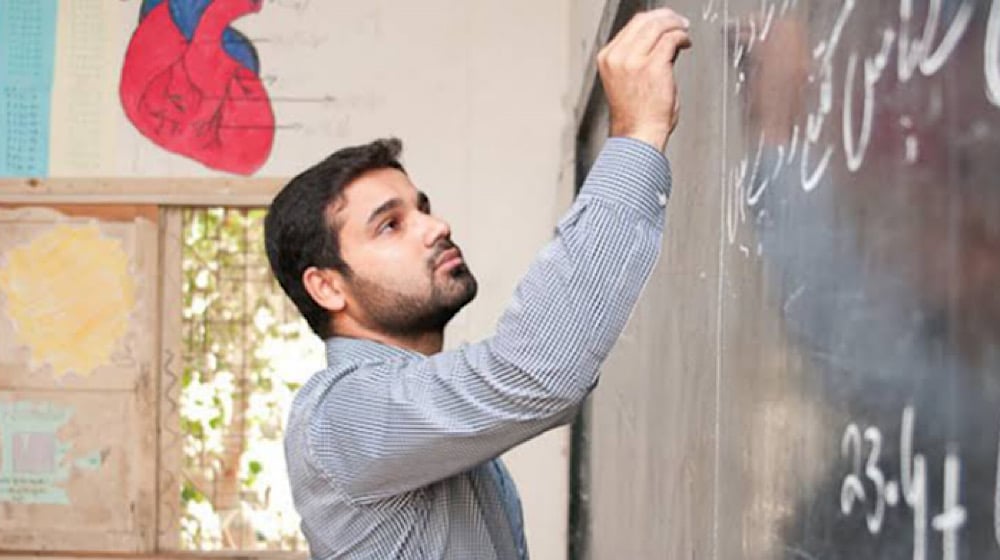
The Khyber Pakhtunkhwa (KP) government has decisively communicated its policy, affirming it will not grant ad hoc status to approximately 2,000 lecturers. These educators, initially recruited under flexible terms by the Higher Education Department, currently address critical faculty shortages across 330 government colleges. This strategic decision clarifies the KP lecturer status, aiming to uphold formal recruitment protocols and avoid long-term legal and budgetary implications for the province’s educational infrastructure.
The Translation: Calibrating Public Sector Employment in KP
Initially, the Higher Education Department employed these lecturers as a temporary measure. This was a direct response to acute faculty deficits within government colleges. They now instruct students across numerous BS and AD programs. Consequently, this temporary hiring strategy ensured educational continuity; however, it was never designated to circumvent the formal, permanent recruitment pathways. Furthermore, the provincial government asserts that its policy framework explicitly disallows converting such temporary appointments into ad hoc or permanent positions.

The Socio-Economic Impact: Precision in Educational Stability
This policy clarification directly impacts the daily lives of both the affected lecturers and the student body. For instance, the lecturers face continued uncertainty regarding their employment tenure and remuneration, which could affect morale and professional trajectory. Conversely, a large-scale removal of these educators could critically disrupt academic operations in nearly 330 institutions, potentially jeopardizing the educational progress of thousands of students. Therefore, maintaining educational stability requires a calibrated approach to faculty management.

The "Forward Path": Structural Reforms for KP Lecturer Status
This development primarily represents a Stabilization Move. The government aims to reinforce established hiring mechanisms rather than initiate a momentum shift towards widespread regularization of temporary staff. My expert opinion suggests a structural re-evaluation of the temporary hiring process. Implementing clear, time-bound contracts linked to specific Public Service Commission recruitment cycles could mitigate uncertainty. Furthermore, this approach would maintain educational service levels while respecting established legal frameworks.

Navigating the Policy Framework
Law Minister Aftab Alam articulated the government’s position in the assembly, emphasizing that ad hoc engagements frequently lead to protracted legal challenges. This scenario often escalates pressure for regularization, which deviates from established governmental protocols. Crucially, the minister highlighted significant budget constraints. Therefore, any permanent recruitment must adhere strictly to the procedures set forth by the Public Service Commission, ensuring a merit-based and transparent process.

Sustaining Academic Programs
The lecturers in question play a pivotal role in delivering essential BS and AD programs across numerous institutions. Their initial appointment was a pragmatic response to an immediate operational need. Without their contributions, hundreds of academic programs could face severe disruption, impacting student progress directly. Consequently, a strategic plan is imperative to transition from temporary solutions to permanent, qualified faculty without compromising educational quality or accessibility.

Strategic Recruitment Pathways
Addressing faculty shortages demands a more comprehensive, forward-thinking strategy. The government must calibrate its long-term recruitment plans to align with projected educational demands and budgetary realities. This requires proactive engagement with the Public Service Commission to streamline hiring processes. Furthermore, investing in talent pipelines and exploring innovative faculty models could ensure sustainable academic staffing for the future of Pakistan’s higher education system.








