

A recent proposed class action lawsuit critically challenges WhatsApp’s foundational privacy claims, alleging Meta Platforms permitted employees and contractors to access private user messages. This development brings the highly touted end-to-end encryption into question, thereby initiating a significant global discussion on digital data security. Consequently, this WhatsApp privacy lawsuit underscores a critical need for transparent communication protocols from technology providers, particularly concerning user data integrity.
Understanding the WhatsApp Privacy Lawsuit: The Translation
The 52-page legal complaint details a serious allegation: WhatsApp, despite its public assurance of complete message privacy, reportedly utilized a “backdoor” in its source code. This mechanism purportedly allowed internal staff, the firm Accenture, and other third parties to intercept communications. Furthermore, the lawsuit claims that Meta personnel and contractors could bypass encryption to review content flagged for fraud or policy violations. This directly contradicts the core premise of end-to-end encryption, which guarantees only the sender and intended recipient can read messages.
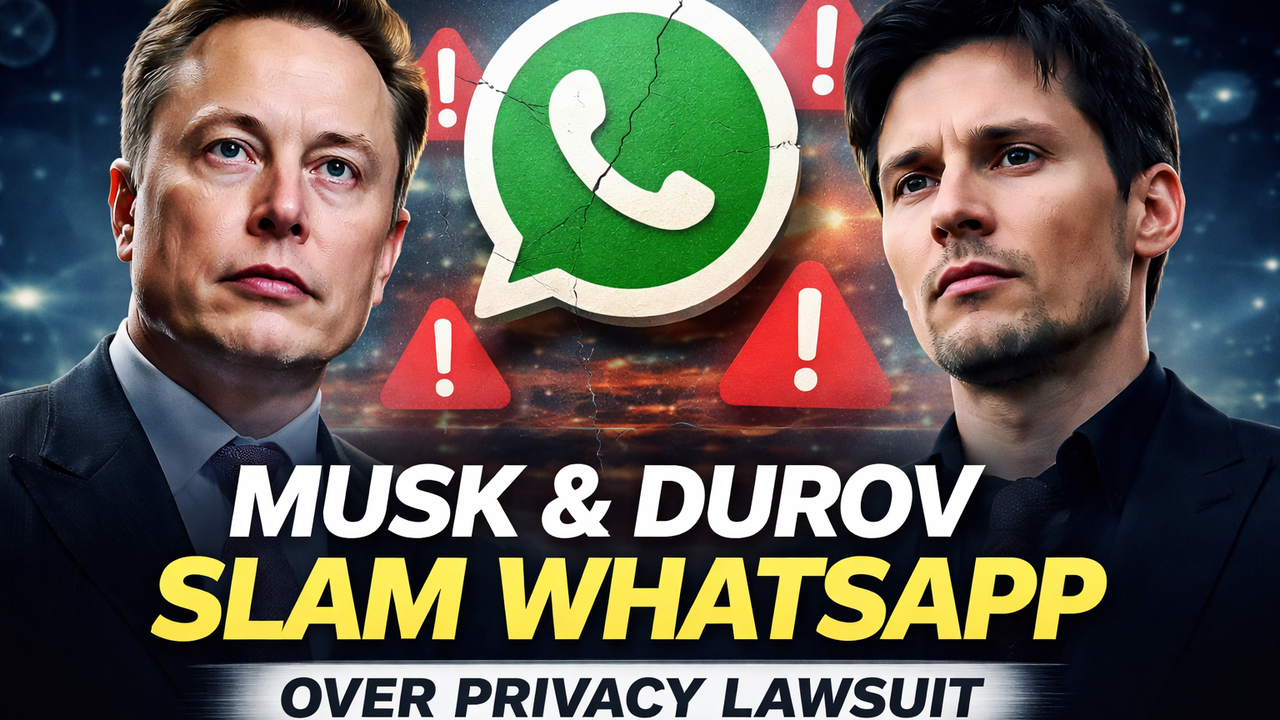
Allegations of Backdoor Access: Data Integrity Concerns
The legal filing asserts that users received no information or consent requests concerning message interception, reading, storage, or access. WhatsApp’s privacy policy explicitly states that messages are typically stored on user devices and not retained on company servers. However, the lawsuit contradicts this by suggesting broad access to user communications. This disparity raises fundamental questions about the veracity of their privacy commitments. Therefore, a calibrated reassessment of platform transparency becomes imperative.
Specifically, the complaint alleges that Meta and WhatsApp personnel, alongside contractors, could bypass encryption. This capability reportedly enabled them to:
- Review content flagged for fraud or policy violations.
- Access user messages without explicit consent.
- Potentially intercept, read, and store communications via a “backdoor”.

Socio-Economic Impact: Repercussions for Pakistani Citizens
For Pakistani citizens, this WhatsApp privacy lawsuit carries significant implications for digital trust and personal security. Students, professionals, and households across urban and rural Pakistan rely heavily on WhatsApp for daily communication, business operations, and educational exchanges. If these allegations prove true, it implies a systemic risk where private conversations, financial details, and sensitive information could be compromised. This erosion of trust in digital platforms could compel users to seek alternative communication channels, potentially fragmenting online communities and hindering digital literacy initiatives. Furthermore, it necessitates a critical evaluation of data protection policies within Pakistan, urging local regulators to establish robust frameworks that safeguard citizen data against global tech anomalies.
Global Compliance Mechanisms and Contractor Roles
The case further posits that WhatsApp’s ability to fulfill government requests in nations like India and the United Kingdom implies a mechanism for accessing encrypted messages. This suggests a globally consistent approach to data access. Additionally, around 2021 or 2022, WhatsApp engaged hundreds of Accenture contractors worldwide to review and moderate message content. Flagged messages, often encompassing several days of conversation, were reportedly made available to these reviewers, alongside usernames and profile details. This scale of access points to a standardized operational procedure, rather than isolated incidents.

The “Forward Path”: A Call for Systemic Transparency
This development represents a Momentum Shift rather than a mere Stabilization Move. The WhatsApp privacy lawsuit serves as a potent catalyst for re-evaluating baseline expectations for digital privacy. It compels both users and regulators to demand greater transparency from technology firms. Future advancements must prioritize open-source verification for encryption protocols, thereby ensuring true end-to-end security. Only through such structural reforms can we build a digital ecosystem where user trust is earned through verifiable security, not simply through marketing rhetoric. This situation calls for a calibrated approach to digital governance, balancing innovation with impenetrable user safeguards.
High-Profile Reactions and Market Baselines
The lawsuit has predictably elicited strong reactions from influential tech leaders. Elon Musk, for instance, articulated his distrust on X, stating, “Can’t trust WhatsApp.” This sentiment from a prominent innovator carries significant weight within the tech community. Conversely, WhatsApp has vigorously refuted the allegations, asserting its long-standing reliance on the Signal Protocol for end-to-end encryption. They maintain that only senders and recipients can access messages.
Can’t trust WhatsApp https://t.co/Ts55gVXqkD
— Elon Musk (@elonmusk) April 9, 2026
Pavel Durov, CEO of Telegram, echoed Musk’s criticism, alleging that WhatsApp deliberately misleads users about its security and actively reads and shares messages with third parties. He precisely stated that Telegram operates under fundamentally different principles. Interestingly, despite these severe allegations, Meta Platforms’ shares experienced a 2.61% rise, closing at $628.39, with a further 0.099% increase in after-hours trading. This market reaction suggests that, while the lawsuit is impactful, the broader market considers Meta’s overall position resilient. However, this does not diminish the structural importance of the privacy concerns raised.









