
Optimizing Examination Access: The New Policy Framework
In a strategic move to ensure educational equity and system efficiency, the Board of Secondary Education Karachi (BSEK) has announced significant Karachi Board relief for matric students. This critical policy adjustment allows students who missed their initial annual examination papers to sit the exam at the nearest available center. This decision directly addresses logistical challenges, ensuring no student is unduly penalized, thus calibrating the examination process for broader student access.
Direct Impact on Pakistani Households and Educational Continuity
The Chairman of BSEK, during a recent inspection at Pilot Girls Higher Secondary School in Nazimabad, confirmed this pivotal policy. Previously, a student missing an exam for any reason faced significant hurdles. Consequently, this updated directive mandates center superintendents to accommodate all such students, streamlining the process. This structural change redefines flexibility within the Karachi matric exams framework, ensuring a baseline of fairness for every participant.
This policy change profoundly affects daily life for Pakistani citizens, particularly students and their families. For urban and rural households, it alleviates immense stress caused by unforeseen circumstances on exam day, such as transport issues or health emergencies. Furthermore, it safeguards educational continuity for over 385,000 students appearing in examinations across the city. This strategic accommodation prevents academic setbacks, fostering an environment where student well-being is a core operational metric, consequently bolstering overall student success rates.
Ensuring Examination Integrity: Monitoring and Logistics
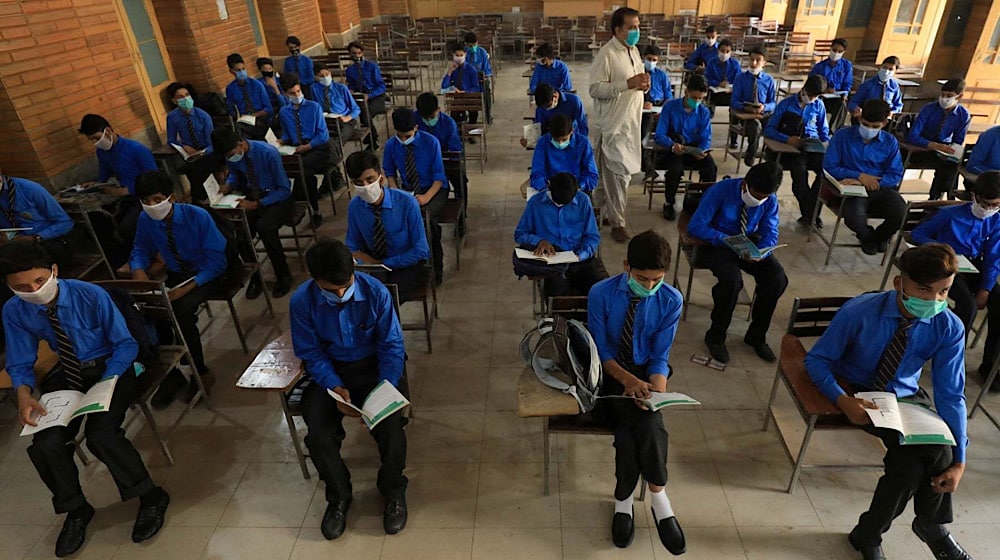
The matric examinations for classes 9 and 10 commenced in Karachi with the Class 10 computer science paper. Authorities established 521 examination centers and deployed 51 vigilance teams to meticulously monitor the process. This precise oversight aims to prevent irregularities and uphold examination integrity. Nevertheless, systemic challenges persist. The board reported a reduction in public school centers due to teacher non-cooperation and a critical shortage of furniture. Despite these obstacles, the BSEK actively monitors question paper movement from a dedicated control room, ensuring secure delivery.
Evaluating the Trajectory: Momentum Shift or Stabilization Move?
This development represents a Momentum Shift for educational governance in Pakistan. While acknowledging existing infrastructural limitations, the BSEK’s proactive stance on student accommodation signals a clear pivot towards student-centric policies. This move is a catalyst for improved system responsiveness and flexibility. Future advancements must, however, strategically address the core issues of resource allocation and public school infrastructure to solidify this positive trajectory. This precise intervention sets a new baseline for administrative empathy and operational adaptability.
For further opportunities, explore scholarships globally by visiting EduNation.








