

Pakistan is strategically preparing for crucial IMF Pakistan Budget Talks next month, focusing on finalizing the federal budget for FY2026-27. This pivotal engagement centers on establishing robust revenue targets and implementing essential tax reforms. The International Monetary Fund (IMF) is evaluating a Federal Board of Revenue (FBR) tax collection target of Rs. 15.564 trillion, setting a significant fiscal benchmark. Consequently, Finance Minister Muhammad Aurangzeb has already initiated consultations with key business entities, including the Pakistan Business Council and the Overseas Investors Chamber of Commerce and Industry, ensuring comprehensive input from the private sector to refine fiscal strategies.
The Translation: Deconstructing Fiscal Frameworks
The upcoming IMF Pakistan Budget Talks represent a critical phase in national financial planning. The IMF’s proposed FBR tax target of Rs. 15.564 trillion for FY2026-27 is an ambitious projection. Furthermore, internal government dialogues reveal a preference for a more conservative target, specifically Rs. 15.232 trillion. This calibrated approach stems from realistic assessments regarding the FBR’s current capacity to meet the ongoing fiscal year’s collection goal of Rs. 13.979 billion. Therefore, a measured increase is deemed more sustainable, avoiding undue pressure on the tax machinery and ensuring a realistic baseline for economic growth.
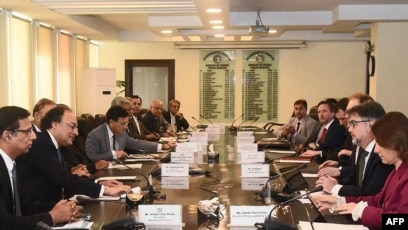
Concurrently, the FBR advocates for meaningful tax relief measures within the forthcoming budget. Key proposals under intense discussion include reductions in the Super Tax rate and a lower tax burden for the salaried class. These targeted reforms aim to alleviate financial strains on businesses and individuals. Moreover, the government is exploring options to request the IMF, during its May 2026 mission, to withdraw specific withholding taxes, particularly where significant refund claims have accumulated. This tactical move is designed to enhance business liquidity and streamline the overall tax administration framework, fostering a more conducive economic environment.
Socio-Economic Impact: Calibrating Daily Life and Commerce
These fiscal adjustments will profoundly influence the daily lives of Pakistani citizens. For instance, a reduced tax burden for the salaried class directly translates into increased disposable income, potentially stimulating consumer spending and improving household financial stability. Businesses, especially small and medium enterprises, will experience improved cash flow and reduced operational costs from a potential Super Tax reduction and the withdrawal of specific withholding taxes. Consequently, this strategic financial easing can bolster industrial competitiveness.
In contrast, the textile industry faces intensifying concerns over rising logistics and freight costs. These escalations, largely attributable to recent regional tensions, directly impact export performance and overall industrial viability. Addressing these structural challenges is paramount to maintaining Pakistan’s competitive edge in global markets and preserving employment within a vital sector. The government’s engagement with industry representatives underscores a commitment to mitigate these external pressures, aiming for a more resilient economic structure.
The Forward Path: A Strategic Stabilization Move
This development signifies a Stabilization Move for Pakistan’s economy rather than an immediate momentum shift. The engagement with the IMF, while critical for budget finalization and structural reforms, primarily focuses on ensuring fiscal discipline and sustainable growth. The emphasis on realistic revenue targets and targeted tax relief measures indicates a cautious, calibrated approach to economic management. It establishes a robust baseline for future development by addressing immediate fiscal challenges and streamlining tax administration, thereby fostering long-term stability and predictability in the national economy.








