

National advancement necessitates precise structural integrity. Consequently, residents in Murree are raising a critical alarm regarding the Jhika Gali Landslide Risk at the ongoing Chowk remodeling project. They urge immediate intervention from top judicial and political authorities to prevent a potential systemic failure. This development underscores the imperative for meticulous engineering and strategic foresight in all infrastructure initiatives, ensuring public safety and long-term stability.
The Translation: Analyzing Development Concerns in Murree
Local communities report that the Jhika Gali project has already compromised the stability of several homes. Specifically, some residences are nearing collapse, with deep cracks appearing in adjacent land. Furthermore, residents emphasize that further slope movement could precipitate significantly greater damage if preventive measures are not rapidly implemented. The core logic behind these concerns stems from historical precedents and observed structural degradation within the area, highlighting an urgent need for re-evaluation and risk mitigation.
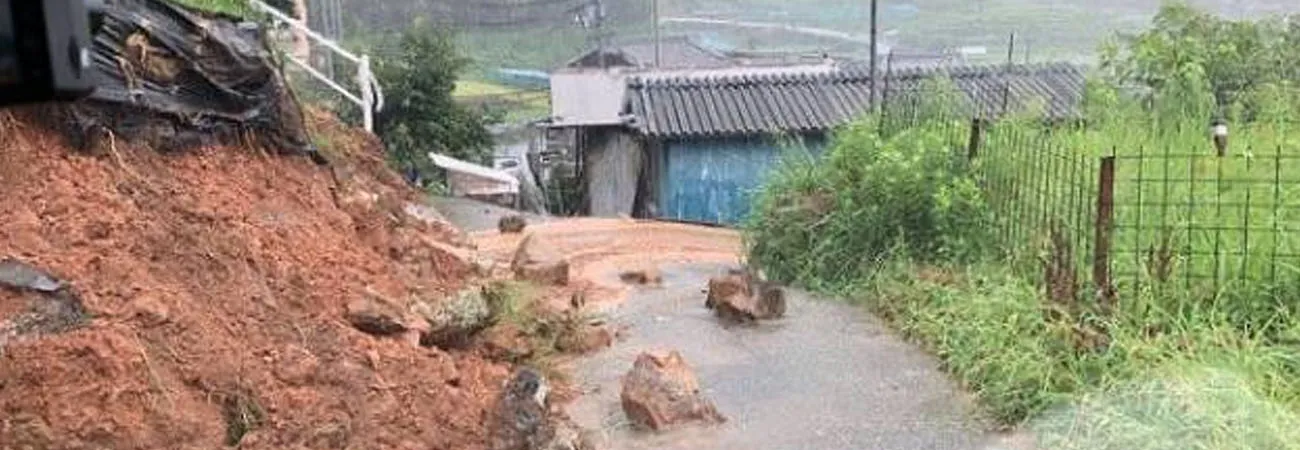
Concerns regarding site stability are not novel. For instance, the remodeling project has already impacted the historic colonial-era market in Jhika Gali, disrupting local businesses and livelihoods. Previous development initiatives also generated similar structural challenges. Locals cite an earlier government-backed parking plaza project, where significant ground subsidence reportedly occurred during construction. This historical data provides a baseline for evaluating current project vulnerabilities, emphasizing repeated patterns and the importance of comprehensive structural assessments.
Controlling the damage from that previous project reportedly consumed years and imposed substantial government expenditure. Despite this costly experience, critical lessons were apparently not applied before the resumption of work in Jhika Gali. Moreover, officials received prior warnings that widening the chowk could be perilous, as structures on the valley-facing side were constructed on unstable ground. A detailed geotechnical investigation, therefore, should have been a mandatory precursor to any expansion work, ensuring foundational safety and preventing future instability.
Socio-Economic Impact: Safeguarding Citizen Stability and Preventing Landslides
This situation directly impacts the daily lives of Pakistani citizens, particularly those in Murree. Students and professionals face potential displacement and disruption to their routines, as their homes are at risk. Local households endure the stress of imminent structural failure and the economic uncertainty stemming from damaged businesses. Consequently, this instability undermines community welfare and creates a ripple effect of socio-economic challenges, demanding a calibrated response to protect human assets and infrastructure, bolstering resilience against the ever-present threat of geological shifts.

The “Forward Path”: A Call for Systemic Precision in Infrastructure
This development represents a Stabilization Move rather than a Momentum Shift. While efforts are underway to mitigate immediate risks, the underlying systemic issues regarding pre-project geotechnical assessments and adherence to safety protocols remain unaddressed. A truly progressive path requires a fundamental recalibration of infrastructure planning, prioritizing precision engineering and comprehensive risk assessment over expediency. Only through such strategic interventions can Pakistan truly advance without compromising citizen safety or economic stability, ensuring sustainable growth and mitigating future hazards like the Jhika Gali Landslide Risk.
Following recent heavy rains that triggered landslides across Murree, renewed focus has been directed toward vulnerable areas like Jhika Gali. Deputy Commissioner Agha Zaheer Abbas Shirazi confirms that the district administration is taking proactive steps to support affected residents. Rescue teams are deployed, families have been relocated to safer zones, and emergency personnel, including medical teams and machinery, are on-site to clear debris, restore access, and provide essential supplies. These immediate actions are crucial, yet long-term structural integrity demands further analytical and preventative measures to avert recurrent crises.








