

In a significant geopolitical calibration, Pakistan strategically intervened to broker a temporary ceasefire between the United States and Iran, responding to direct pressure from the White House. This critical diplomatic initiative, aimed at stabilizing escalating regional tensions and managing global oil prices, underscores Pakistan’s pivotal role as a regional mediator. The successful establishment of this Pakistan Iran truce demonstrates Islamabad’s calibrated approach to international relations, effectively navigating complex power dynamics.
Initially, the Trump administration actively urged Islamabad to facilitate a ceasefire and advocate for the reopening of the Strait of Hormuz. For President Trump, known for his business acumen, Pakistan’s strategic position was indispensable in advancing this proposal to Tehran. This high-stakes engagement highlighted Pakistan’s diplomatic leverage.
The Translation: De-escalating Regional Volatility

This development signifies a deliberate attempt to de-escalate burgeoning tensions in a volatile region. Technical jargon often obscures the practical implications; however, this *Pakistan Iran truce* represents a tangible reduction in immediate conflict risk. Specifically, Pakistan’s Army Chief, Field Marshal Asim Munir, led back-channel diplomacy, which culminated in a two-week ceasefire involving the US, Iran, and Israel. Consequently, this precise diplomatic architecture aimed to create space for broader negotiations, moving beyond mere rhetoric to concrete action.
Moreover, rising global oil prices and concerns over Iran’s military capabilities prompted former President Trump to seek external mediation. He strategically engaged special envoy Steve Witkoff to bring Pakistan into this complex diplomatic loop. Therefore, Pakistan’s neutral stance, despite its defense pact with Saudi Arabia, proved instrumental in gaining trust from all parties.
Socio-Economic Impact: Stabilizing Pakistan’s Economic Trajectory
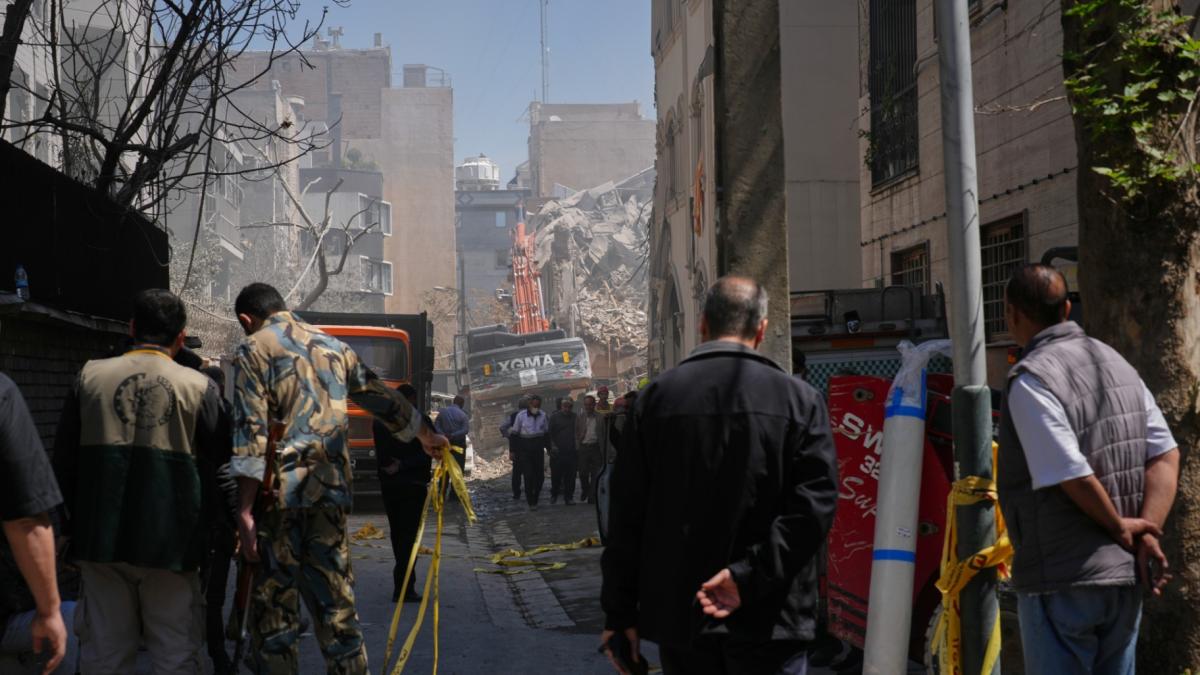
How does this strategic intervention impact the daily life of a Pakistani citizen? Primarily, a stabilized Middle East translates directly into predictable global energy markets. For Pakistani households and industries, this means more stable fuel prices, reducing inflationary pressures on essential goods. Students and professionals benefit from a more secure regional environment, fostering greater confidence in international trade and investment. Specifically, energy security is a baseline requirement for sustained economic growth in both urban and rural Pakistan.
Furthermore, Pakistan’s enhanced diplomatic standing positions it as a reliable partner in international affairs. This reputational gain can attract foreign investment and strengthen bilateral ties, creating new opportunities for Pakistani businesses and workers. Prime Minister Shehbaz Sharif publicly affirmed the ceasefire after direct discussions with Iranian Foreign Minister Abbas Araghchi, solidifying Pakistan’s role in this critical dialogue.
The Forward Path: A Momentum Shift for Regional Diplomacy

This diplomatic breakthrough represents a definitive Momentum Shift. Pakistan has transcended traditional roles, establishing itself as a vital architect of regional stability. The process involved Pakistani officials meticulously shuttling proposals between Tehran and Washington. While initial positions were significantly divergent, both sides ultimately converged on the core demands for a truce.
Looking ahead, Iranian President Masoud Pezeshkian confirmed plans for formal talks in Islamabad, with US envoys participating alongside key Iranian figures, including Araghchi, Parliament Speaker Mohammad Ghalibaf, and a senior representative of the Islamic Revolutionary Guard Corps (IRGC). This structural dialogue indicates a commitment to sustained peace efforts. However, the delicate nature of the ceasefire remains evident; ongoing Israeli actions against Hezbollah in Lebanon, which is outside the immediate ceasefire parameters, pose a constant risk to its durability. Continuous, precise diplomatic calibration will be essential to sustain this fragile peace.








