Architecting Regional Stability: Pakistan’s Ceasefire Call
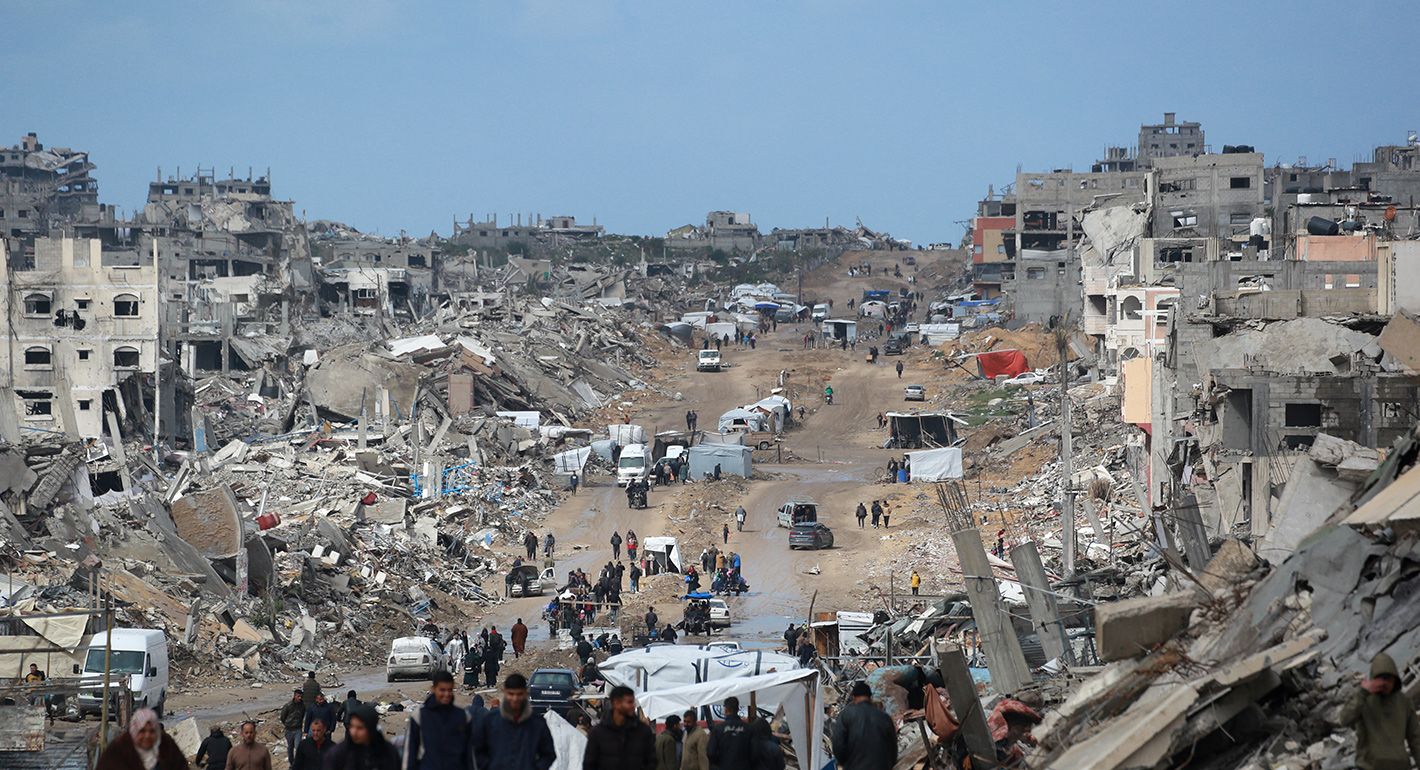
Prime Minister Shehbaz Sharif has articulated significant concern regarding reported violations of the recently established Middle East ceasefire. This strategic intervention, fundamentally a Pakistan Ceasefire Call, underscores the nation’s steadfast commitment to diplomatic pathways and robust conflict resolution. The Prime Minister urges all involved entities to exercise calibrated restraint and uphold their commitments under the peace arrangement. Such adherence is pivotal for safeguarding the fragile peace process and ensuring diplomatic efforts can effectively steer toward a peaceful, enduring settlement in the volatile region. This proactive stance highlights Pakistan’s role as a responsible international actor dedicated to global peace and security.
The Translation: De-escalation Through Adherence to Peace Accords
The Prime Minister’s official statement, issued on Wednesday, clarifies that recurrent ceasefire breaches risk undermining precarious regional stability. These unfortunate incidents specifically threaten to derail ongoing diplomatic initiatives, which are meticulously designed to peacefully resolve the intricate Middle East conflict. Furthermore, the two-week ceasefire agreement established a critical baseline, allowing diplomacy to supersede confrontation and usher in a period of calm. Consequently, Pakistan emphasizes the absolute necessity for all parties to fully respect the agreed terms and conditions. This structural adherence is not merely a formality; it is a fundamental requirement for immediate de-escalation, fostering trust, and paving the way for sustained, constructive dialogue among all stakeholders.

The Socio-Economic Impact: A Baseline for Prosperity and National Growth
Uninterrupted peace in the Middle East directly influences Pakistan’s socio-economic trajectory in profound ways. For instance, students pursuing higher education and professionals across various sectors, both in burgeoning urban centers and remote rural communities, benefit significantly from regional stability. It underpins secure trade routes, ensures predictable energy security, and actively fosters foreign investment flows, all vital for national development. Conversely, sustained conflict diverts global resources and attention, creating inflationary pressures, exacerbating supply chain disruptions, and directly impacting household budgets across Pakistan. Therefore, such international calls for peace are a pragmatic move to secure a stable external environment, fostering predictable economic growth and enhancing the daily quality of life for its citizens. It represents a strategic imperative for collective regional prosperity and Pakistan’s long-term national interests.
The Forward Path: Momentum Shift or Stabilization Move?
This development primarily represents a Stabilization Move. While not signifying a complete momentum shift towards an entirely new geopolitical paradigm, Pakistan’s proactive stance is a vital effort to prevent further regression in an already volatile region. By strategically emphasizing adherence to existing agreements, the nation acts as a critical stabilizing force, reinforcing the foundational elements of peace and security. This disciplined approach is crucial for preventing immediate escalation, mitigating humanitarian crises, and providing the necessary operational space for long-term diplomatic solutions to mature. It reflects a precise, calculated effort to maintain a delicate regional balance and foster conditions conducive for future progress and sustainable peace.
Pakistan’s Enduring Diplomatic Architecture for Regional Peace
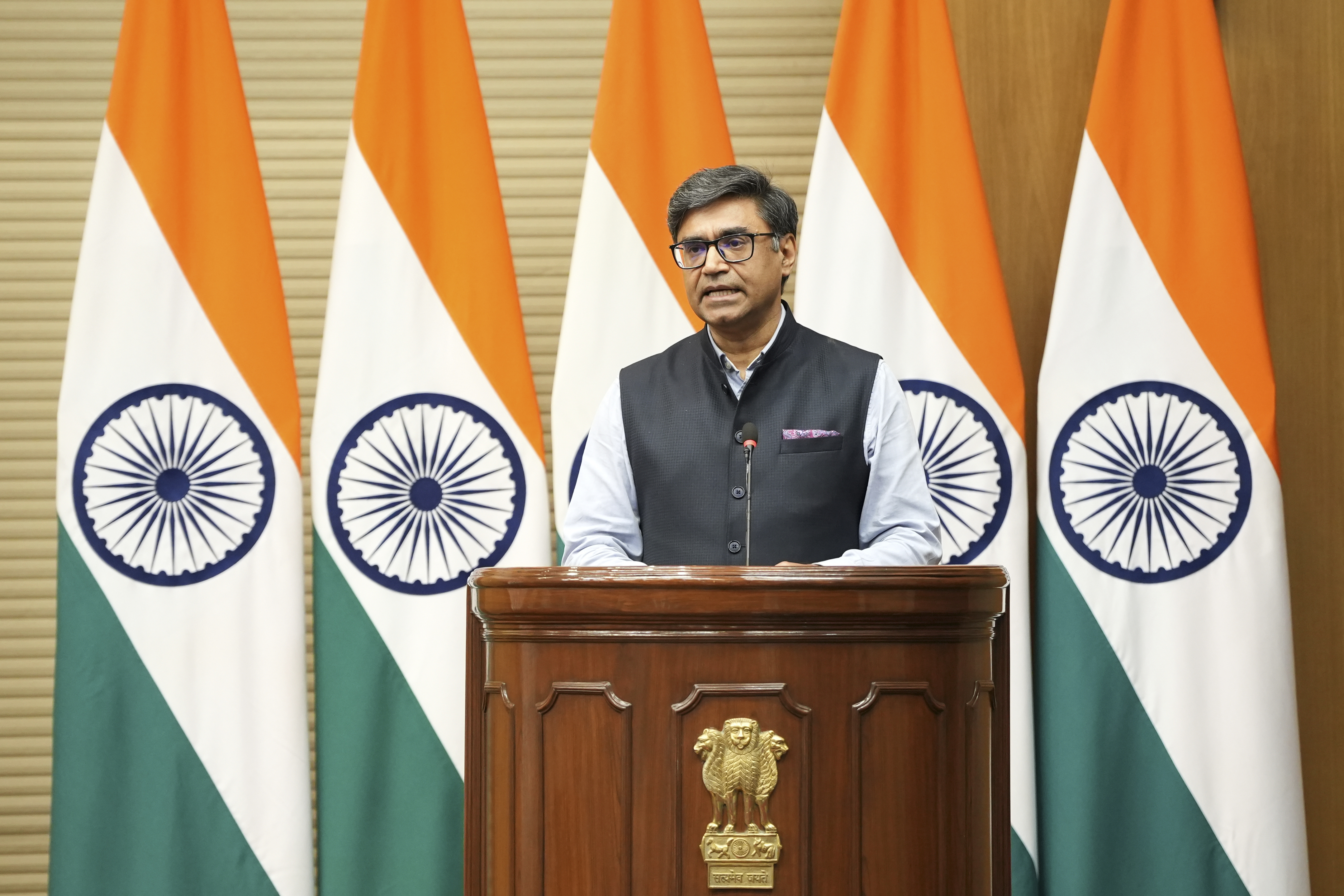
Pakistan has consistently advocated for active diplomatic engagement to de-escalate regional tensions effectively and constructively. Officials systematically emphasize that sustained calm on the ground is unequivocally essential for meaningful dialogue and achieving long-term stability within the Middle East and beyond. This calibrated approach ensures that every diplomatic overture contributes to a robust architecture of peace. Consequently, Pakistan’s persistent efforts serve as a catalyst for constructive dialogue, aiming for a resilient and peaceful Middle East. The nation’s strategic vision is clear: stability through structured, persistent engagement, unwavering adherence to international commitments, and fostering a culture of mutual respect among nations.