Optimizing Urban Mobility: Islamabad’s Red Zone Traffic Advisory
The Islamabad Traffic Police (ITP) has strategically implemented a Red Zone Traffic Advisory, imposing calibrated restrictions within the capital’s Red Zone. This critical measure facilitates the secure movement of foreign delegations, underscoring Pakistan’s commitment to robust diplomatic protocols and national security. Consequently, all non-official traffic is now restricted, requiring citizens to adapt their travel plans to ensure systemic efficiency and public safety during this period.
The Translation (Clear Context)
This advisory clarifies that specific traffic limitations are now active in Islamabad’s Red Zone and its contiguous areas. These controls are not arbitrary; rather, they are a direct consequence of the logistical requirements for high-level international visits. The ITP is deploying personnel to actively guide and support commuters, thereby minimizing disruption. Furthermore, this proactive deployment ensures the precise management of urban pathways during sensitive diplomatic engagements.
Key operational directives include:
- Restricted Access: Only official vehicles are permitted within the designated Red Zone.
- Public Cooperation: Citizens are urged to avoid non-essential travel to the area.
- On-Ground Assistance: ITP personnel are strategically positioned to manage traffic flow and provide guidance.
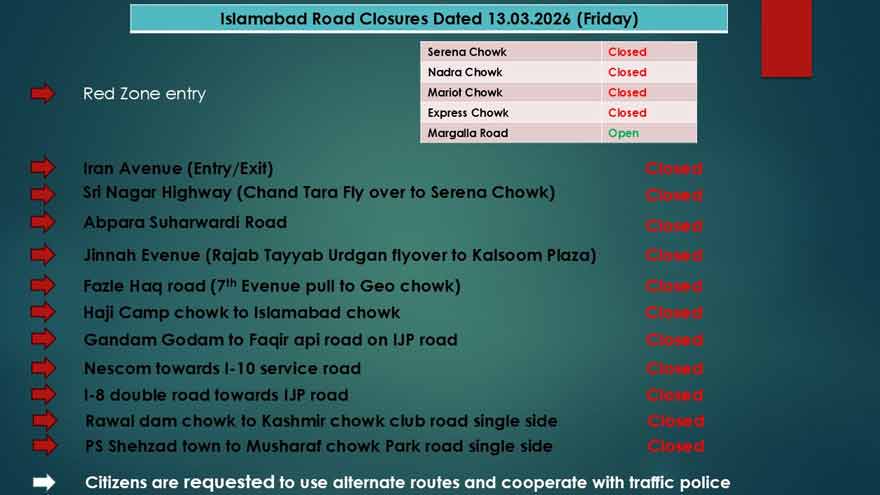
The Socio-Economic Impact: Navigating Urban Logistics
For Pakistani citizens, particularly those residing or working in Islamabad, this temporary measure translates into tangible daily adjustments. Students commuting to institutions near the Red Zone may experience rerouting, necessitating earlier departures. Professionals engaged in urban sectors will observe altered travel patterns, potentially impacting their daily schedules. In contrast, households planning recreational activities near these zones should seek alternative routes or postpone their visits.
These temporary adjustments, while potentially inconvenient, represent a baseline operational procedure for national security and international relations. They directly impact urban mobility, requiring adaptability from both urban and, by extension, rural populations who frequently visit the capital for official or personal engagements. Ultimately, these measures protect national interests and diplomatic integrity, contributing to a stable operational environment.
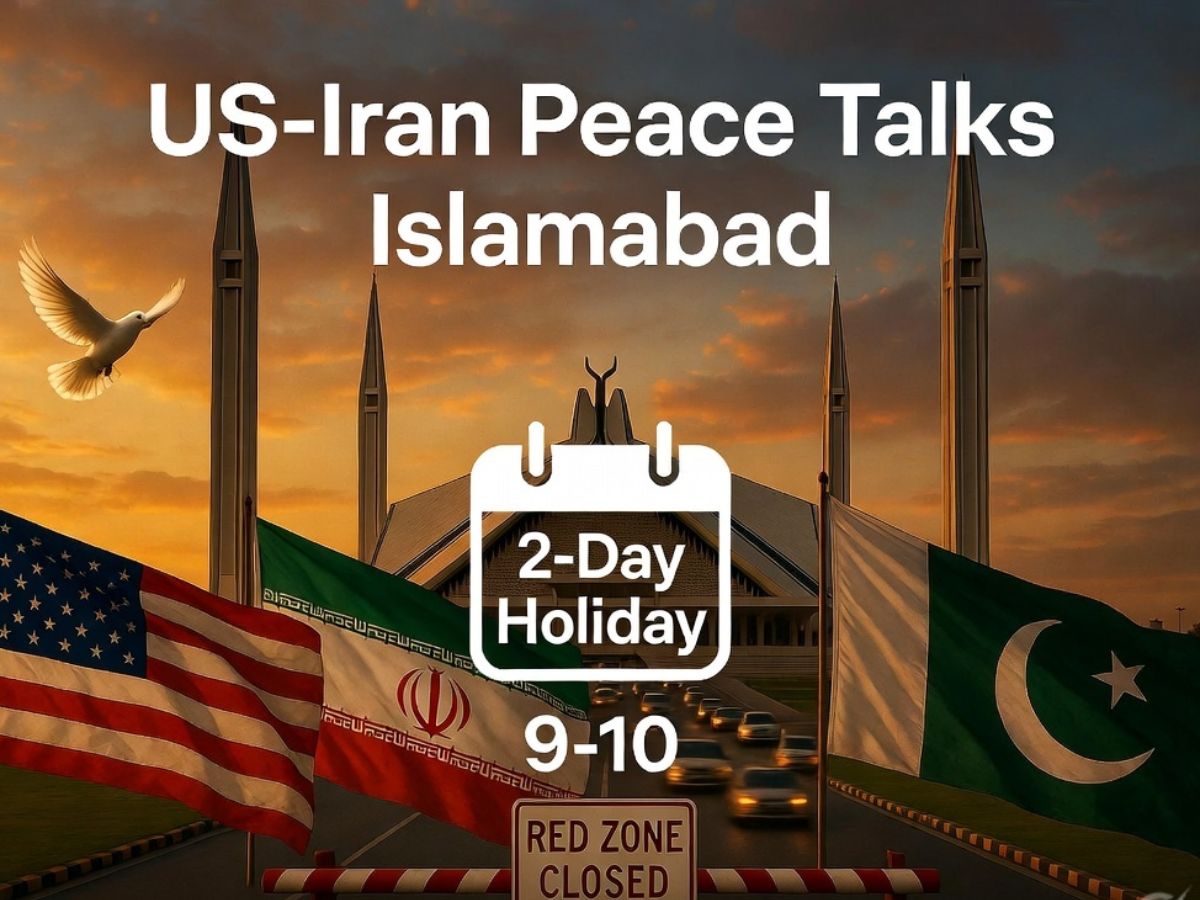
The “Forward Path”: A Stabilization Move
This specific traffic advisory represents a “Stabilization Move.” It is a calibrated response to immediate, high-priority security requirements rather than a systemic “Momentum Shift” towards new infrastructure or policy. It meticulously maintains existing national security and diplomatic protocols. Consequently, such measures are vital for ensuring the seamless execution of international engagements without compromising public safety. The strategic coordination by the ITP affirms Pakistan’s capability to manage complex urban logistics under dynamic conditions, reinforcing national operational resilience.