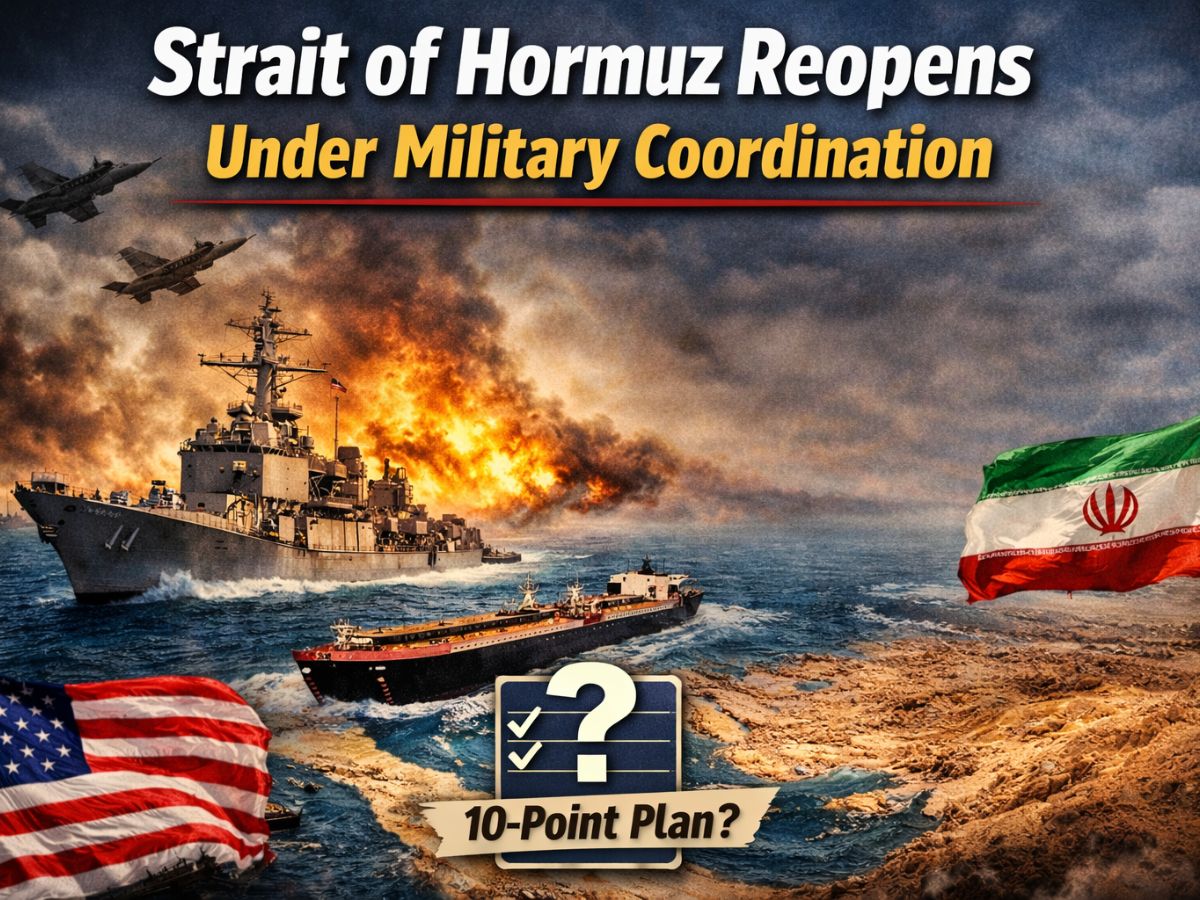
This critical development recalibrates regional dynamics: the Strait of Hormuz reopens for a two-week period, facilitating global shipping following a significant ceasefire announcement. This strategic decision by Iran’s Supreme National Security Council, influenced by Pakistan’s diplomatic overtures, aims to stabilize economic flows after a period of considerable disruption to international trade and energy markets.
The Translation: De-escalation & Economic Recalibration
Following a ceasefire agreement, Iran has officially reopened the Strait of Hormuz to all vessels for a precise two-week duration. This move, sanctioned by Iran’s Supreme National Security Council, emerged after diplomatic engagement initiated by US President Donald Trump. Furthermore, Iranian Foreign Minister Abbas Araghchi specifically acknowledged the tireless efforts of Prime Minister Shehbaz Sharif and Field Marshal Asim Munir, crediting Pakistan’s critical role in brokering regional stability. Iran accepted US negotiation requests based on Pakistan’s 15-point proposals, complementing President Trump’s agreement to Iran’s 10-point framework. Consequently, defensive military operations will suspend if attacks on Iran cease, allowing for this temporary but crucial reopening of vital Iran shipping lanes.
The Socio-Economic Impact: Stabilizing the Pakistani Household Economy
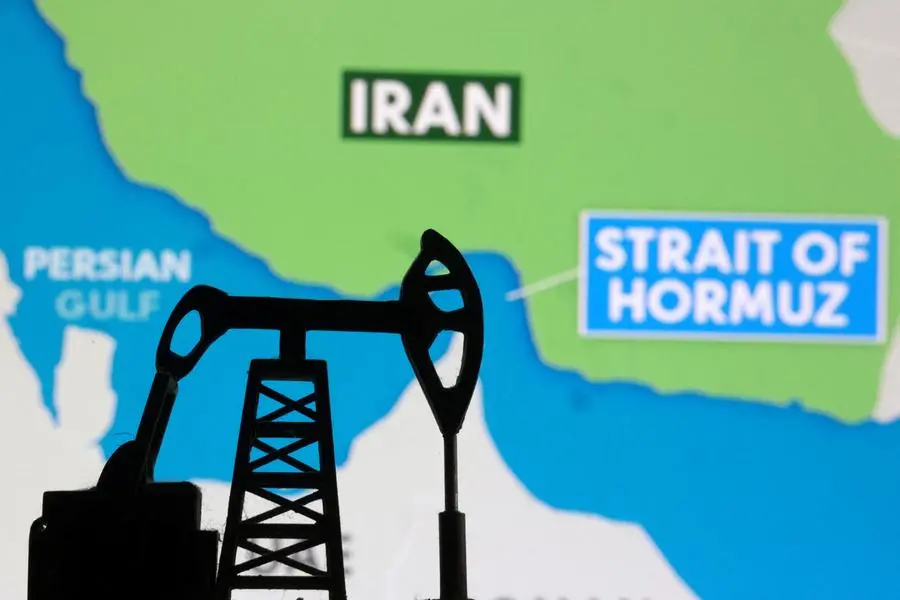
The temporary closure of the Strait of Hormuz directly impacted the global economy, significantly elevating commodity prices. Approximately 20 percent of the world’s oil trade and nearly one-fifth of global LNG shipments transit this waterway. During the disruption, daily oil supplies decreased by an estimated 10 to 12 million barrels, pushing physical crude prices close to $150 per barrel and Brent futures above $119. This volatility translated into higher shipping and insurance costs, affecting supply chains across Asia and Europe. For the average Pakistani citizen, this reopening means a potential stabilization of fuel prices, reduced inflation pressures on imported goods, and greater predictability for businesses reliant on global trade. Students and professionals will likely see a more stable economic environment, fostering opportunities rather than exacerbating existing financial strains. Ultimately, it signifies a reduction in the costs associated with daily living and commerce, driven by improved regional economic stability.
The “Forward Path”: A Strategic Stabilization Move
This development represents a significant Stabilization Move rather than a full Momentum Shift. While the Strait of Hormuz reopens and de-escalates immediate tensions, the two-week timeframe suggests a calibrated, temporary measure for critical re-evaluation. It provides a crucial window for economic respiration and diplomatic consolidation. However, the continuation of “technical and operational restrictions” indicates that underlying structural challenges persist. For Pakistan, this engagement solidifies its role as a regional peace broker, demonstrating a strategic capacity to influence complex international relations. The path forward demands sustained diplomatic precision to convert this temporary stability into a permanent framework for regional advancement and uninterrupted global oil trade impact.