
Strategic Alert: Calibrating Agricultural Stability Amidst Soaring Fertilizer Prices Pakistan
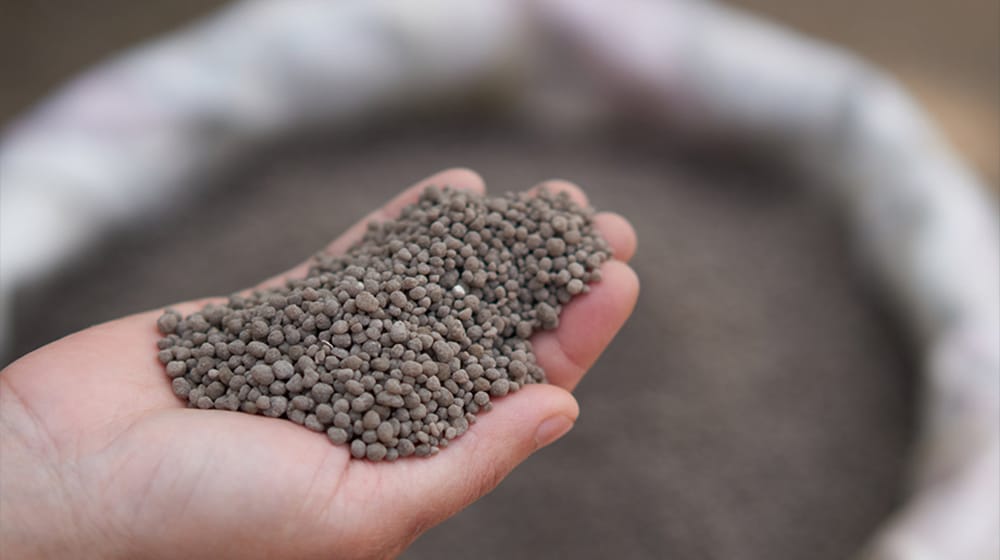
Pakistan’s agricultural foundation faces a critical challenge as fertilizer prices Pakistan surge past Rs. 15,000 for Sona DAP variants. This calibrated increase, driven by escalating diesel costs and global market volatility, directly impacts farmer profitability and national food security. Consequently, the significant rise necessitates immediate strategic intervention to safeguard the forthcoming sowing season and ensure sustained agricultural output, representing a critical juncture for agricultural policy.
The Translation: Unpacking the Logic Behind Escalating Input Costs
The recent escalation in Sona DAP prices, with standard 50 kg bags now at Rs. 14,633 and specialized variants reaching Rs. 15,083, is a direct consequence of a complex interplay of systemic factors. Primarily, the sharp rise in global diesel costs, now exceeding Rs. 520 per liter, has profoundly impacted agricultural logistics and production. Furthermore, international fertilizer rates exhibit pronounced fluctuations, directly translating into higher import and manufacturing expenses for domestic suppliers. Ultimately, this economic pressure compels price adjustments to sustain an uninterrupted supply chain, a crucial mechanism for maintaining market equilibrium.

The Socio-Economic Impact: How Rising Costs Reshape Daily Life
The surge in agricultural input costs, particularly for fertilizers, has a cascading socio-economic impact across Pakistan. For farmers, this translates to reduced profit margins and increased debt burdens, potentially forcing shifts in crop choices or reduced yields due to insufficient fertilization. Consequently, students from agricultural families might face exacerbated financial strains, impacting educational access. In contrast, urban households will likely experience elevated food prices, diminishing purchasing power and exacerbating food security concerns. Critically, in rural Pakistan, where agriculture is the primary livelihood, the stability of entire communities is at risk, underscoring the necessity of targeted interventions to mitigate these profound effects.
Strategic Data: Key Fertilizer Price Points
A granular analysis of recent price adjustments provides precise context for the current market dynamics. This data is critical for informed decision-making and underscores the urgency of addressing farmer concerns regarding affordability.
| Date | Recommended Price (Rs.) | Weight (kg) | Fertilizer Variant |
|---|---|---|---|
| 07-04-2026 | 14,633 | 50 | Sona DAP |
| 07-04-2026 | 14,583 | 50 | Sona DAP Processed |
| 07-04-2026 | 15,083 | 50 | Sona Boron DAP |
| 23-12-2024 | 5,510 | 50 | Sona Di Zinc |
| 19-12-2025 | 3,865 | 3 | Sona Boron |
| 01-04-2025 | 7,795 | 50 | Sona Ammonium |
| 01-07-2025 | 2,650 | 3 | Sona Zinc |
| 07-04-2026 | 3,912 | 50 | Tara ISAP |

The Forward Path: A Critical Stabilization Move
This development represents a Stabilization Move rather than a Momentum Shift. While industry adjustments aim to ensure supply continuity by offsetting operational costs, the core issue of farmer affordability remains unaddressed. Therefore, the current strategy primarily stabilizes the supply chain for manufacturers but introduces significant volatility for agricultural producers. Consequently, a more robust intervention from the federal government is critically required. This should include meticulously calibrated subsidies and streamlined import mechanisms to stabilize agricultural input costs at a farmer-friendly threshold. Proactive measures are essential to prevent broader food security implications and sustain the growth trajectory of Pakistan’s agricultural sector.

Recommendations for Strategic Resilience
To navigate this volatile landscape, farmers are advised to implement strategic procurement practices. Specifically:
- Early Booking: Secure fertilizer requirements proactively through authorized dealers to mitigate future price fluctuations.
- Balanced Nutrient Use: Consider a judicious application of Sona Urea, Single Super Phosphate (SSP), and essential micronutrients like Zinc and Boron. This optimizes resource utilization and enhances crop resilience.
- Government Advocacy: Continued advocacy for transparent market monitoring and the implementation of targeted subsidy programs remains paramount.









