
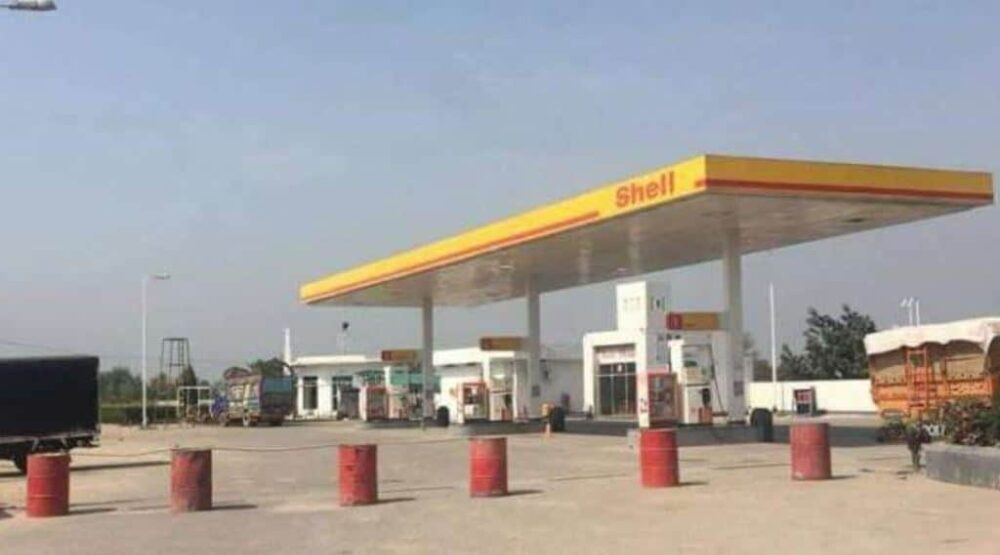
The operational stability of Pakistan’s fuel supply chain faces a critical juncture as the Pakistan Petroleum Dealers Association (PPDA) and the All Pakistan Petrol Pump Owners Association (APPPOA) issue a formidable warning: a nationwide petrol dealers strike is imminent if their demands for an elevated commission structure are not met. This strategic ultimatum, articulated in Islamabad, underscores an escalating systemic pressure on fuel retailers. Consequently, this could severely impact daily transport and economic activities across the nation, necessitating immediate governmental intervention to avert widespread disruption.
Calibrating the Commission Structure: Preventing a Petrol Dealers Strike
The core of this impending action stems from an explicit demand to increase the commission on fuel sales to 8 percent. Currently, dealers assert that the existing commission system is economically unsustainable, particularly given fluctuating global fuel prices and increased operational costs. Furthermore, the influx of smuggled petrol and oversight from various agencies without direct industry consultation exacerbates their financial strain. This move is not merely a request for higher profits; rather, it is a structural adjustment aimed at ensuring the long-term viability of thousands of petrol retail businesses nationwide.
Socio-Economic Resonance: Impact on Citizens and Commerce
A nationwide petrol dealers strike would instigate an immediate and profound socio-economic impact across Pakistan. For the average Pakistani citizen, daily commutes to work or school would become significantly challenging, potentially halting essential services. Urban professionals, dependent on consistent fuel supply for transport, would experience severe mobility constraints. In rural areas, where fuel access is already a logistical challenge, an interruption could cripple agricultural activities and local commerce, hindering the movement of goods and essential supplies. Consequently, this situation threatens to disrupt the foundational operational rhythm of both urban and rural households and industries, creating an immediate fuel supply disruption Pakistan cannot readily absorb.
The Forward Path: A Stabilization Move for Systemic Resilience
This development represents a Stabilization Move. While the immediate threat of a petrol dealers strike indicates friction, the underlying demand for a proportional commission system reflects a critical need for systemic resilience within the fuel distribution network. Addressing these concerns through calibrated dialogue and a strategic review of industry commissions could prevent future disruptions. By fostering a more equitable operational baseline for petrol dealers, Pakistan can fortify its energy infrastructure against external price volatility and internal operational pressures. This proactive adjustment is essential for maintaining the integrity of our national supply chain and ensuring citizen access to vital resources.








