

The Translation: Deconstructing Automated Moderation Flaws
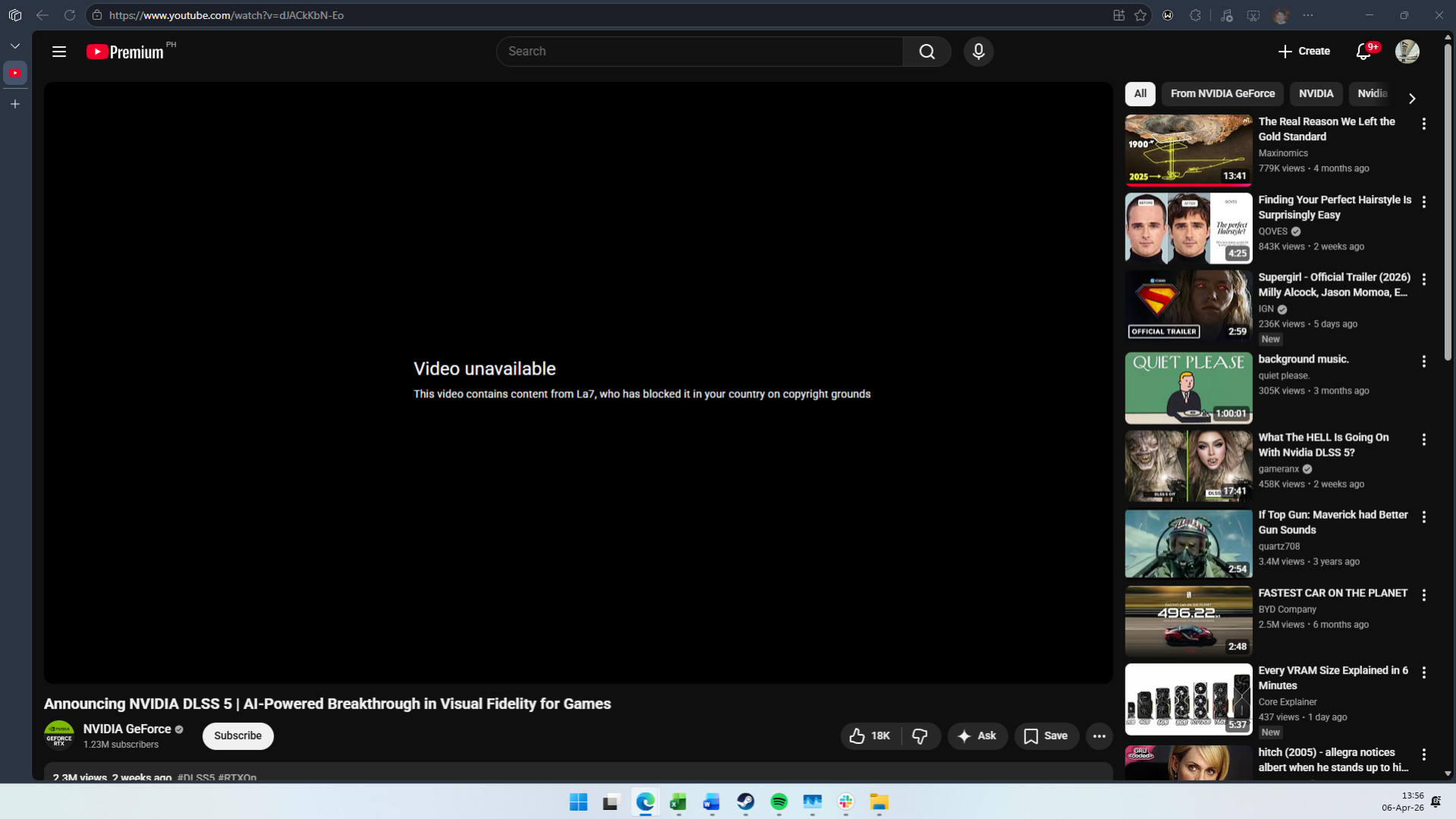
A structural anomaly within the YouTube Copyright System has led to the erroneous removal of numerous videos, including Nvidia’s official DLSS 5 trailer. This incident, triggered by mass DMCA complaints from an Italian media entity, highlights critical vulnerabilities in automated content moderation protocols. Consequently, this raises significant concerns about the precision and oversight of AI classifiers, particularly their impact on both major corporations and independent creators. This event compels a re-evaluation of digital rights enforcement, advocating for a more calibrated approach to platform governance.
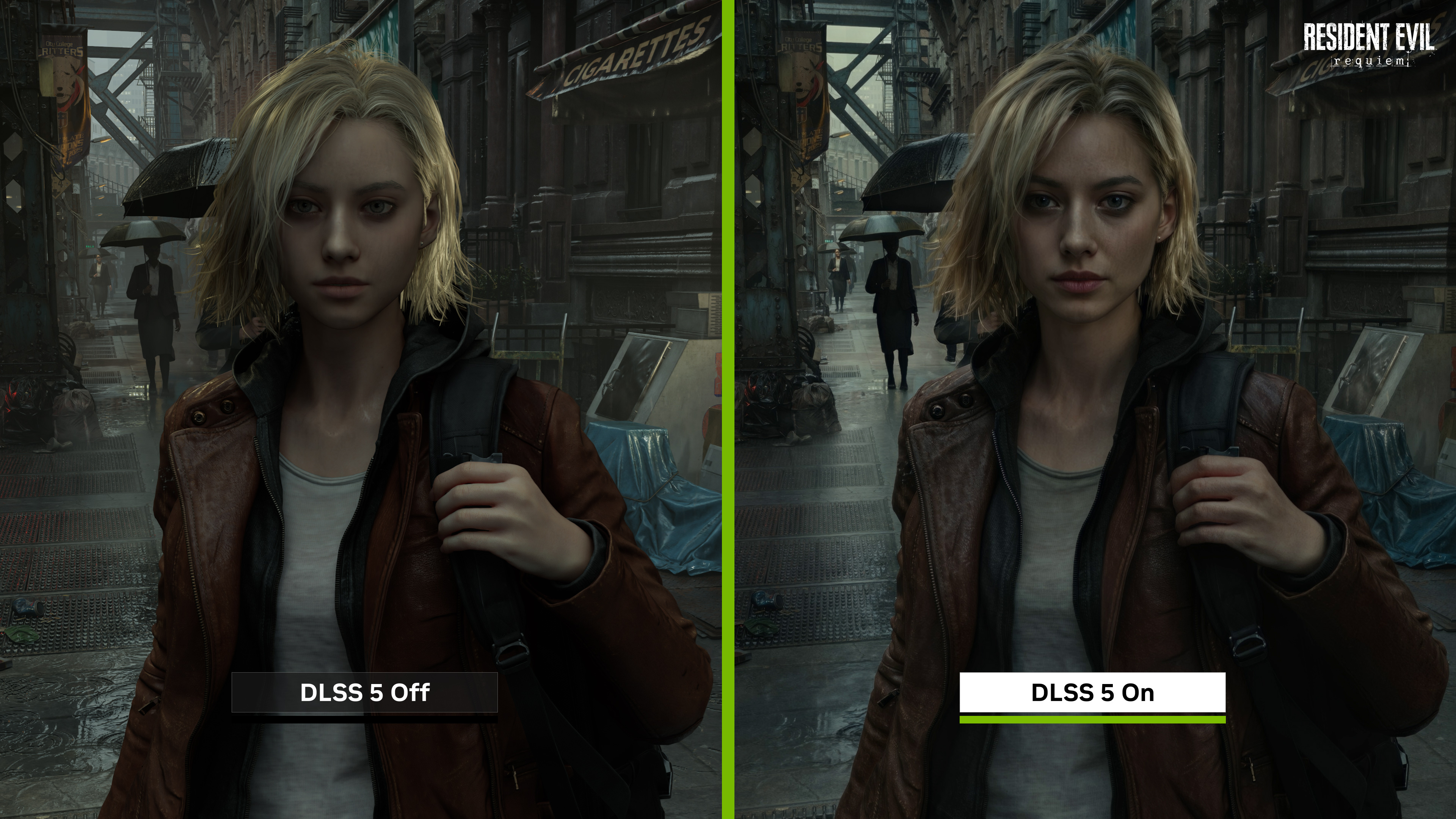
This incident fundamentally translates to a system miscalibration. An Italian media company reportedly utilized footage from the DLSS 5 trailer for its own coverage, subsequently issuing a substantial volume of copyright complaints. These complaints then activated YouTube’s automated moderation systems. Consequently, these systems indiscriminately flagged and removed other videos containing the same content, including Nvidia’s original upload. The core issue lies in the system’s inability to differentiate between legitimate content ownership and derivative usage, leading to a cascade of incorrect takedowns based on bulk claims rather than verified infringement.
Socio-Economic Impact: Digital Security and Creator Livelihoods
This operational flaw directly impacts the digital landscape for Pakistani citizens, especially students, professionals, and digital content creators. For students and professionals in STEM fields, access to official technology announcements, such as DLSS 5, is crucial for research and skill development. Its arbitrary removal disrupts knowledge dissemination. Furthermore, for independent creators in urban and rural Pakistan, such false positives can be devastating. Losing videos can lead to account strikes, jeopardizing their platform presence and, by extension, their livelihoods. This creates an environment of digital insecurity, compelling creators to operate under the constant threat of automated, potentially erroneous, enforcement actions, which undermines their ability to innovate and contribute to Pakistan’s digital economy.

Calibrating Oversight: Creator Concerns with the YouTube Copyright System
The incident intensifies an ongoing critique of YouTube’s moderation efficacy. Many content creators have consistently voiced concerns regarding false positives and the perceived scarcity of human review in enforcement actions. Reports indicate that automated systems flagged a significant portion of the over 12 million channel terminations in 2025. Subsequently, creators reported rapid rejection of appeals, which prompts questions regarding manual review processes. This structural deficit impacts platform integrity and creator trust.
Strategic Imperative: Protecting Smaller Creators from Automated Takedowns
The recent takedown has structurally affected not only corporate entities like Nvidia but also numerous independent creators who leveraged the DLSS 5 trailer in their reaction or commentary videos. While large organizations possess the resources to systematically resolve such discrepancies, smaller creators often face disproportionate challenges in content reinstatement. Beyond the immediate loss of content, affected users risk accruing account strikes, which can escalate into severe penalties, including potential account suspension. This highlights a critical need for a more equitable and robust appeal mechanism within the YouTube Copyright System.

The Forward Path: Momentum Shift or Stabilization Move?
This development signifies a crucial Momentum Shift toward recognizing the inherent flaws within purely automated content governance. It is a catalyst for systemic recalibration. The incident mandates that platforms evolve beyond baseline algorithmic enforcement to integrate more sophisticated human oversight and context-aware adjudication. A robust digital infrastructure necessitates transparent and equitable dispute resolution mechanisms. This ensures that innovation is not stifled by erroneous takedowns, thereby fostering a more secure and predictable environment for all digital stakeholders in Pakistan and globally.








