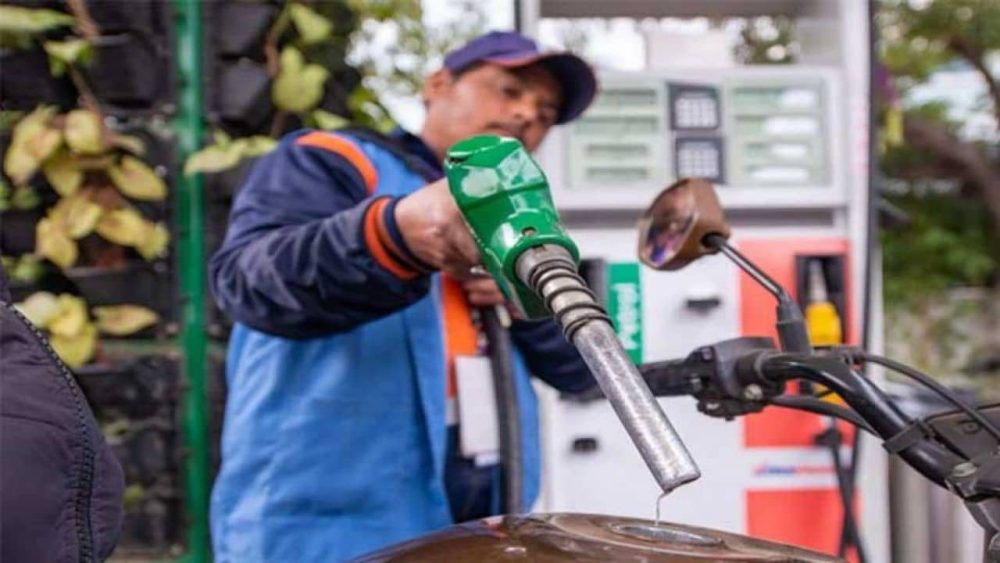
In a strategic move to optimize resource distribution and ensure targeted economic relief, Sindh Chief Minister Syed Murad Ali Shah has officially launched an advanced online verification and registration system. This digital platform streamlines the process for citizens to confirm motorcycle ownership and apply for a significant Sindh fuel subsidy of Rs2,000 per month. This initiative represents a calibrated effort to enhance financial inclusion and directly support the province’s mobility infrastructure.
Digital Pathways to Economic Empowerment
During a pivotal press conference at the CM House in Karachi, the Chief Minister detailed the portal’s operational mechanics for the Sindh fuel subsidy. Applicants are required to input their Computerized National Identity Card (CNIC) and bank account details. This data entry completes the digital application process, subsequently triggering an automated confirmation of their submission. Furthermore, only motorcycles officially registered in the applicant’s name will qualify for this targeted relief program.

Calibrated Monthly Support for Motorcycle Owners
The scheme is structurally engineered to provide eligible motorcycle owners with Rs2,000 monthly. This sum is precisely equivalent to subsidizing approximately 20 liters of fuel, ensuring direct and tangible relief. Consequently, this financial injection directly offsets a critical recurring expense for countless households.
Payments are systematically transferred through established banking channels. Specifically, Sindh Bank account holders will receive their subsidy within 24 hours. Conversely, payments directed to other bank accounts will be meticulously processed within a three-day window. To facilitate seamless engagement, a dedicated helpline has been established, offering comprehensive assistance for registration and verification inquiries.
Driving Economic Inclusion through Policy Reform
Chief Minister Shah articulated that this initiative is a catalyst for broader financial inclusion, actively encouraging citizens to open bank accounts. This strategy aims to facilitate direct government transfers, thereby modernizing aid distribution. In a supportive measure, the Sindh Excise and Taxation Department has strategically abolished the Rs500 motorcycle transfer fee. Moreover, excise offices across Sindh will operate extended hours—from 8:00 AM to midnight, including weekends—for a dedicated 15-day period, optimizing accessibility for registration and transfers.

Officials have confirmed that approximately 1,500 motorcycles have already been successfully transferred to their rightful owners, underscoring the immediate impact and operational efficiency of these reforms. This initial data demonstrates a positive baseline for the program’s intended outreach.
Broadening the Baseline: Comprehensive Subsidy Frameworks
The targeted subsidy framework extends beyond motorcycles, encompassing a multi-faceted approach to public relief. A substantial Rs13.4 billion allocation has been designated for the motorcycle subsidy alone. Furthermore, a coordinated transport subsidy program with the federal government projects an estimated Rs14.3 billion per month, stabilizing public transit costs.
The provincial administration currently subsidizes approximately 11,000 private buses and 470 government-operated buses. This structural intervention is designed to maintain fare stability, directly benefiting millions of commuters. Chief Minister Shah issued a clear directive: any unauthorized increase in transport fares will trigger strict enforcement action. Fares are mandated to remain at February 28, 2026, levels, providing predictable cost structures for citizens.
In parallel, a Rs3 billion subsidy program for small farmers is scheduled to commence this week. The government is also actively developing mechanisms for direct relief on essential commodities, including flour and other critical food items. Consultations with transporter and trader associations have yielded largely positive outcomes, with most groups agreeing to suspend protests concerning recent fuel price adjustments, indicating a collaborative pathway forward.
The Situation Room Analysis
The Translation: Decoding Systemic Efficiency
This initiative translates into a fundamental shift towards digital governance for public welfare. Previously, citizens faced bureaucratic hurdles for subsidy access. Now, the requirement for CNIC and bank account details is not merely administrative; it’s a structural imperative for direct, traceable, and efficient fund disbursement. This system minimizes intermediaries and maximizes the precision of relief delivery. The removal of the motorcycle transfer fee and extended excise office hours further signifies a calibrated effort to eliminate friction points in the system, promoting wider participation and accelerating economic inclusion.
Socio-Economic Impact: Calibrating Daily Life
For the average Pakistani citizen, particularly students and and professionals relying on motorcycles for daily commutes, this Sindh fuel subsidy represents a tangible reduction in the cost of living. The Rs2,000 monthly allocation directly mitigates inflationary pressures on transportation, freeing up household income for other necessities. In urban centers, this directly impacts daily mobility costs. For rural households, where motorcycles are often critical for connecting to markets and services, this subsidy enhances economic access and reduces the financial burden, fostering stability. Furthermore, the push for bank account ownership is a foundational step towards modernizing financial literacy and participation across all demographics.
The Forward Path: A Momentum Shift
This development undeniably signifies a Momentum Shift. The strategic deployment of an online portal for targeted relief, coupled with efforts to deepen financial inclusion and streamline administrative processes, moves beyond mere maintenance. It establishes a digital baseline for future welfare programs, enhancing transparency and efficiency. While implementation will require sustained oversight, the structural reforms and the direct financial relief mechanism position Sindh on a progressive trajectory towards a more resilient and digitally integrated social support system.