
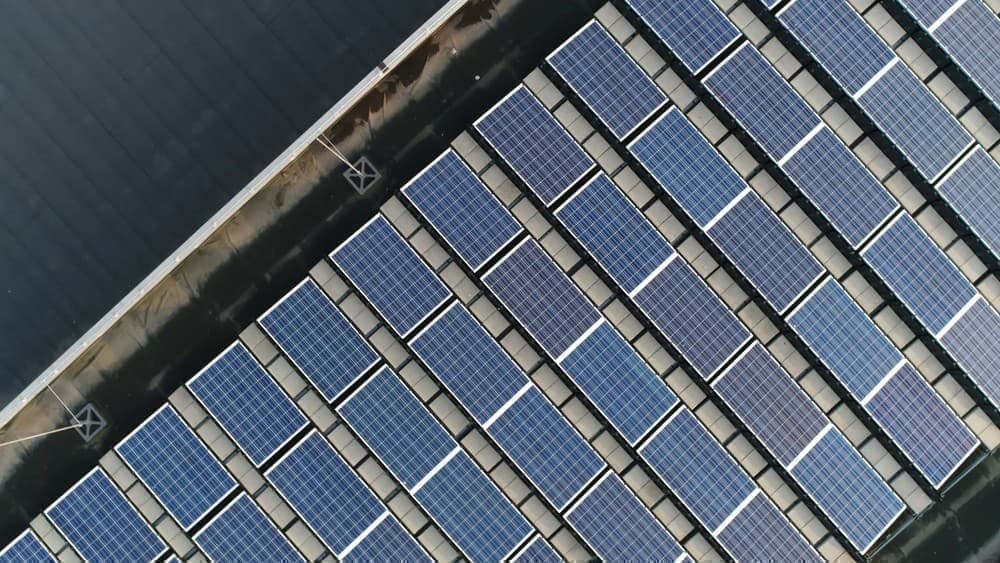
To structurally advance Pakistan’s energy independence, the Competition Commission of Pakistan (CCP) has calibrated a strategic framework of fiscal and industrial incentives. This comprehensive package, including pivotal 10-year tax exemptions, is designed to significantly kickstart and sustain local solar production. Consequently, this move aims to mitigate the nation’s near-total reliance on imported solar panels, fostering long-term affordability and market resilience.
The CCP’s latest study meticulously highlights Pakistan’s profound dependence on imported solar technology. This near-total reliance represents a critical structural weakness. Furthermore, it directly limits long-term energy affordability, market stability, and competitive growth within the sector.
Deconstructing the Policy Framework: The Translation
The core of the CCP’s recommendation involves a Production-Linked Incentive (PLI) scheme. Modeled on successful international paradigms from nations like India, China, and the United States, this scheme encourages domestic manufacturing. Specifically, it aims to improve operational efficiency and attract substantial investment into Pakistan’s manufacturing sector.
Under this precisely engineered framework, manufacturers will receive financial incentives directly linked to their output and overall performance. This mechanism is designed to create a dynamically competitive environment. Ultimately, it rewards scalable operations, innovation, and heightened efficiency.
To further reinforce localization, the CCP advocates for establishing dedicated Special Economic Zones (SEZs) specifically for renewable technologies. These zones will offer long-term tax relief, access to low-cost industrial land, and reliable infrastructure. This strategic provision aims to significantly lower entry barriers for potential investors, accelerating growth in local solar production.
Moreover, the study underscores the imperative of leveraging Pakistan’s strategic partnership with China via the China-Pakistan Economic Corridor (CPEC). The Commission proposes tactical joint ventures between local and Chinese firms. This collaboration will facilitate critical technology transfer, enhance skills development, and enable the rapid scaling of domestic manufacturing capabilities.
Additionally, the CCP has called for targeted export rebates and stringent enforcement of local content requirements. This measure ensures greater in-country value addition. Parallelly, specific support for research and development is crucial to enhance panel efficiency and drive innovation within the sector.
Calibrating Impact: Socio-Economic Shifts for Pakistanis
The daily lives of Pakistani citizens stand to benefit significantly from these calibrated policy shifts. For students and professionals, this initiative opens new avenues for specialized employment in a burgeoning high-tech sector. Consequently, it creates demand for advanced engineering, manufacturing, and research skills, fostering a new generation of technical experts.

For households, both urban and rural, a robust domestic solar manufacturing base promises substantial long-term cost reductions. As local solar production increases, the cost of solar panels will predictably decrease. This makes clean energy more accessible and affordable, directly impacting electricity bills and promoting sustainable living. Rural communities, often underserved by traditional grids, can gain unprecedented access to reliable, cost-effective power solutions.
Furthermore, easy and concessional financing mechanisms, proposed through banks and development finance institutions, will address capital constraints. This ensures that promising ventures in the manufacturing segment receive the necessary financial impetus. The net effect is a stronger, more resilient energy market that directly improves the quality of life for ordinary Pakistanis.
The Forward Path: A Momentum Shift for National Energy Autonomy
This development represents a definitive Momentum Shift for Pakistan’s energy landscape. The CCP’s recommendations are not merely maintenance; they are a structural redesign aimed at achieving genuine energy autonomy. By systematically reducing import dependence, Pakistan can fortify its economic baseline and create a more competitive market.

The integrated approach, encompassing tax benefits, SEZs, and technology transfer, forms a cohesive strategy. This strategy is designed to position Pakistan as a regional leader in renewable energy manufacturing. This is a calibrated move towards long-term national advancement, building a resilient and self-sufficient energy future.








