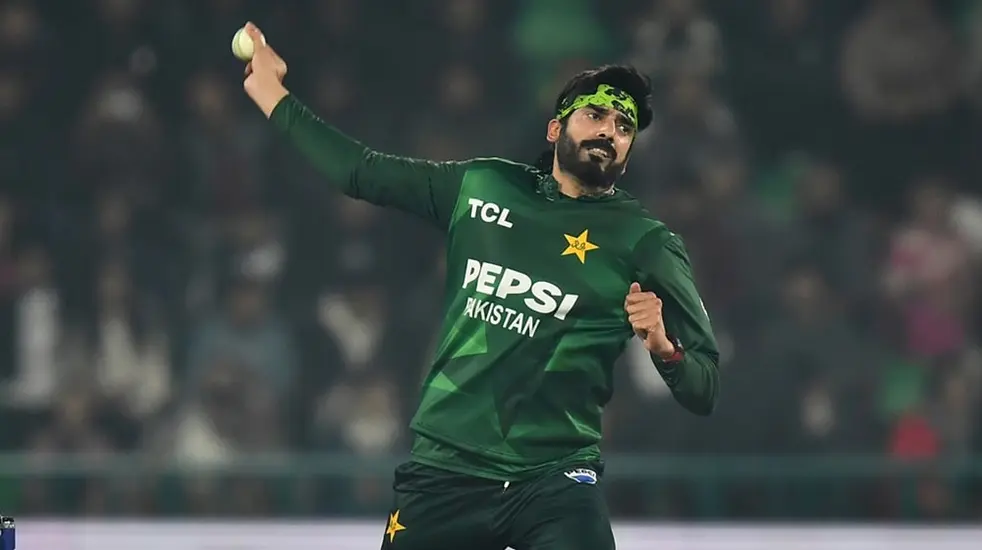
Pakistan’s premier cricket league, the PSL, continually evolves, and the recent gesture involving Muhammad Rizwan underscores a deeper Multan Sultans rivalry rooted in strategic franchise shifts. Ahead of their PSL 11 clash, Multan Sultans owner Gohar Shah presented a special jersey to Muhammad Rizwan, captain of RawalPindiz. This calibrated act transcends mere sportsmanship, reflecting the intricate ownership changes and rebrandings that have forged a compelling Multan Sultans rivalry, essentially pitting the current Multan Sultans against the team embodying its historical lineage. Consequently, this structural dynamic highlights the league’s constant adaptation and the enduring impact of key leadership figures like Rizwan.
What This Multan Sultans Rivalry Means for PSL Structure
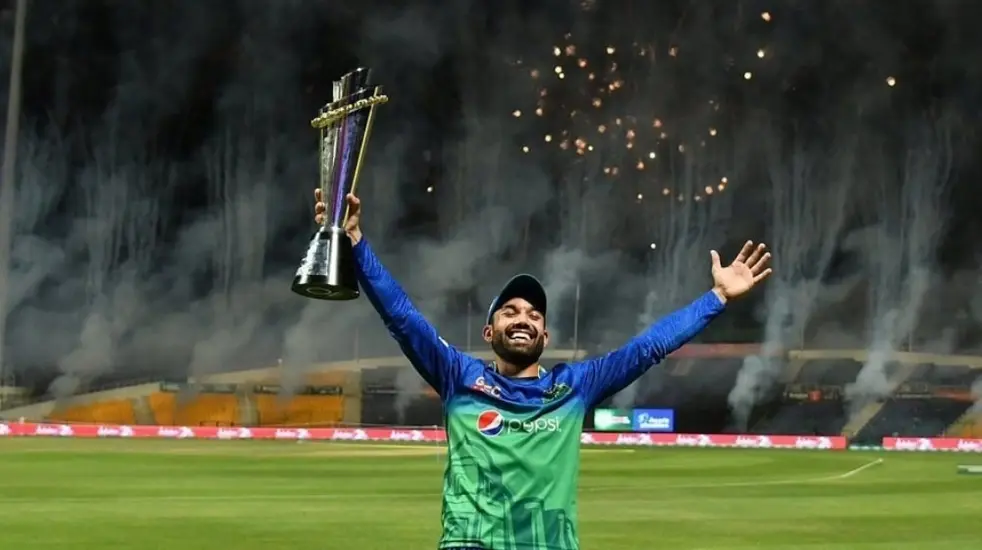
The gesture carried profound significance. Muhammad Rizwan, a central figure in Multan Sultans’ rise to a PSL title, was not merely a former player but also their successful captain. His departure, however, deviated from a routine transfer. Instead, it followed an extensive ownership dispute that cast considerable uncertainty over the franchise’s future ahead of PSL 11. Therefore, understanding this context is crucial to appreciating the current competitive landscape.
During that tumultuous period, the original Multan Sultans setup underwent major changes. A special team auction saw new owner Walee acquire the franchise. Subsequently, he strategically shifted it to Rawalpindi and rebranded it as RawalPindiz. In contrast, the current Multan Sultans, under Gohar Shah, possess their own unique backstory. The team was originally slated to enter PSL 11 as Sialkot Stallionz. However, after the original owners encountered significant financial difficulties, Gohar Shah acquired a decisive 99 percent stake, thus changing the team’s identity to Multan Sultans before the season commenced. Consequently, the latest fixture between these two teams effectively represents a meeting between the new Multan Sultans and the historical essence of the old Multan Sultans, underscoring the complex Multan Sultans rivalry.
The Translation: Unpacking Franchise Evolution
This situation clarifies the complex trajectory of PSL teams. Essentially, Muhammad Rizwan’s team, RawalPindiz, is the direct descendant of the original Multan Sultans franchise, albeit under new ownership and a different city. Conversely, the team now known as Multan Sultans is a distinct entity, formed from the acquisition and rebranding of what was intended to be the Sialkot Stallionz. This structural analysis reveals how financial dynamics and strategic acquisitions are integral to maintaining the league’s competitive balance and reach across Pakistan. Therefore, the current game is not just a match; it is a live demonstration of these intricate organizational shifts.
Socio-Economic Impact: PSL’s Reach into Pakistani Life
Beyond the immediate excitement of the game, these franchise shifts significantly demonstrate the dynamic nature of investment within Pakistan’s burgeoning sports economy. Young cricket enthusiasts and aspiring professionals across urban and rural Pakistan witness firsthand the entrepreneurial spirit and complex financial maneuvers shaping their national sport. Successful franchises, furthermore, generate crucial local employment, attract tourism to host cities, and foster deep regional pride. These contributions offer both direct economic benefits and intangible social advantages to Pakistani households. Ultimately, the strategic rebranding and team relocations, while complex, effectively broaden the league’s appeal and its economic footprint across diverse cities like Multan and Rawalpindi.
The Forward Path: A Momentum Shift for Pakistan Cricket
This development undeniably represents a Momentum Shift for Pakistan cricket. The inherent fluidity of franchise ownership, while potentially disruptive initially, signals a highly responsive and adaptable market within the sport. This mechanism ensures that teams remain financially viable and competitively robust, fostering a more dynamic league. Moreover, this structural flexibility acts as a potent catalyst for continuous improvement and innovation within the PSL. Ultimately, these adaptive strategies are calibrated to enhance the overall fan experience and ensure the long-term sustainability of the Pakistan Super League.