Pakistan’s Cabinet Committee to Monitor Petrol Prices recently confirmed robust petrol supply stability, reporting sufficient national fuel and diesel stocks despite recent price adjustments. This strategic assessment, chaired by the Finance Minister, focused on maintaining an uninterrupted fuel supply and fortifying market discipline across the distribution network. While price reductions were not announced, the government emphasizes proactive monitoring and precise data integration to optimize the nation’s energy infrastructure.
The Translation: Unpacking Pakistan’s Fuel Logistics Strategy
The recent Cabinet Committee meeting wasn’t merely a status update; it was a structural review of Pakistan’s energy security framework. “Sufficient stocks” translates to calibrated national reserves: approximately 25 days of diesel cover, adequate petrol stocks for current consumption, and 12 days of crude oil, rigorously supplemented by incoming shipments. This operational baseline ensures that import arrangements remain on track through both commercial and government-to-government agreements, securing the foundational inputs for our refineries. Consequently, these refineries maintain optimal operational levels, efficiently converting raw crude into refined products essential for the nation’s economic arteries.
Socio-Economic Impact: Stabilizing Daily Life for Pakistanis
For the average Pakistani citizen, ensuring petrol supply stability is paramount. This strategic focus directly mitigates the risks of fuel shortages, which can severely disrupt daily commutes for professionals and students alike. Farmers rely on consistent diesel availability for agricultural machinery, directly impacting food production and prices. Furthermore, stable fuel supplies support critical industries, preventing economic shocks that could elevate living costs in both urban and rural Pakistan. Uninterrupted energy underpins the nation’s transportation network, safeguarding the movement of goods and people and contributing to overall price stability in essential commodities, ensuring consistent petrol supply stability.
The Forward Path: A Strategic Stabilization Move
This development represents a Stabilization Move rather than a momentum shift. While the assurance of sufficient stocks provides crucial confidence in Pakistan fuel reserves, the absence of immediate price relief indicates a measured approach to economic variables. The emphasis on strengthening monitoring, digital integration via OGRA’s dashboard, and enforcing compliance against hoarding are vital structural improvements. These actions are foundational for future national advancement, building a more resilient and transparent energy supply chain. However, true momentum will require a calibrated strategy for sustainable energy pricing alongside supply assurance, enhancing long-term petrol supply stability.
Enhancing Market Discipline and Digital Oversight
In light of recent price fluctuations, the Committee underscored the imperative for heightened vigilance across the entire supply chain. This precision monitoring aims to proactively prevent hoarding, speculative activities, and any disruptions in product availability. Localized demand variations are precisely tracked, ensuring balanced supply management. Moreover, unauthorized storage and market irregularities are now subject to stricter regulatory enforcement, establishing a clearer framework for fair distribution. This structural integrity is crucial for maintaining public trust and economic fairness.
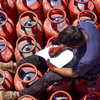
A significant catalyst for efficiency is OGRA’s digital dashboard. This innovative platform offers real-time visibility into stock levels, sales data, and supply conditions, extending from depots to individual retail outlets. While acknowledging initial progress, the Committee noted that reporting compliance from over 12,000 petrol pumps nationwide requires substantial acceleration. Therefore, the full operationalization of this system is emphasized as critical for timely, data-driven decision-making, ensuring optimal OGRA digital monitoring across the energy sector efficiency parameters.
Driving Accountability and Systemic Enforcement
The Finance Minister issued a direct directive to all stakeholders: ensure prompt and accurate data integration into the digital dashboard to maximize its operational effectiveness. Furthermore, OGRA has been instructed to rigorously enforce compliance, accelerate the digitization process across the entire supply chain, and maintain close coordination with Oil Marketing Companies (OMCs). Specifically, Pakistan State Oil (PSO) will enhance visibility across its extensive retail network, prioritizing improved reporting coverage. This strategic imperative aims to solidify transparency and operational consistency.
To support this systemic overhaul, joint teams comprising members from the Petroleum Division, OGRA, FIA, and PSO will be deployed to selected petrol pumps in Islamabad. Their mission is precisely defined: assist with data entry, improve stock transparency, and ensure robust operational compliance. This institutionalization of direct oversight mechanisms is designed to strengthen accountability and reporting consistency across the critical national fuel infrastructure.
The Finance Minister unequivocally reiterated that sustained market stability necessitates proactive coordination, effective monitoring, and stringent enforcement. The primary objectives remain ensuring uninterrupted fuel supply, enhancing transparency, and protecting consumer interests. Simultaneously, responsible consumer behavior is strategically encouraged to complement these governmental initiatives.