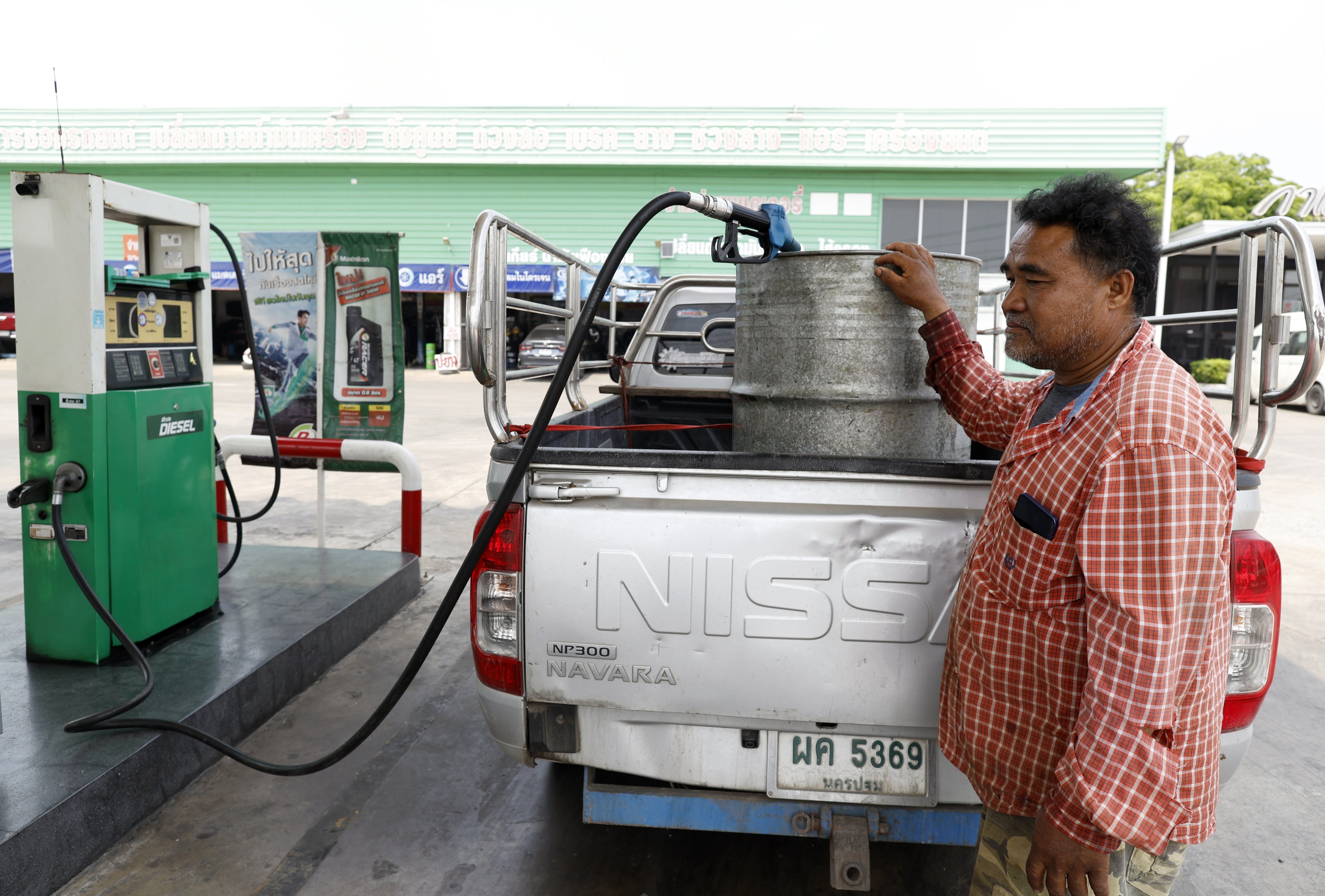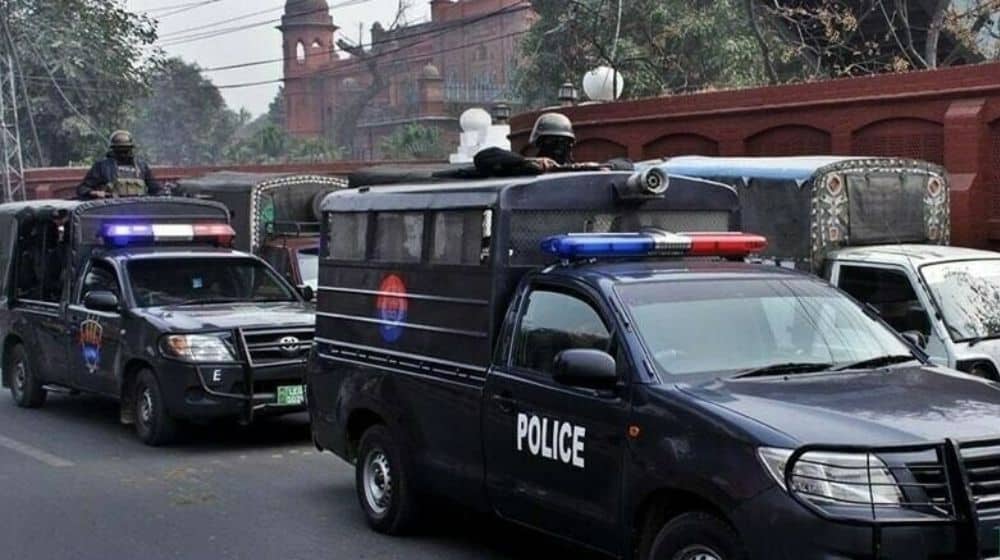
Pakistan’s national advancement hinges on robust infrastructure, including effective law enforcement. Presently, the Punjab Police faces a critical Punjab Police fuel shortage, a direct consequence of the escalating energy crisis and calibrated cuts in financial resources. This significant reduction threatens the foundational operational efficiency of the force, potentially impacting critical public safety initiatives. Consequently, concerns are rising regarding the ability of law enforcement to maintain essential patrol and response capabilities across the province.
Structural Impediments: Analyzing Fuel Fund Reductions
Sources reveal a structural impediment: the Punjab Police’s fuel fund has been strategically slashed by nearly 50 percent. Specifically, the provincial Finance Department released only 20 percent of the allocated funds for the fourth quarter, a sharp decline from the planned 40 percent. This precise financial adjustment increased immediate pressure on the force’s operational budget. Furthermore, the overall budget for petrol was reduced from PKR 10 billion to PKR 8 billion, with a critical 50 percent cut applied to a PKR 4 billion portion within this revised allocation.

The Translation: Operational Constraints on Law Enforcement
This translates into tangible operational constraints for law enforcement. Approximately 90 percent of police vehicles are deployed in field formations, leaving a mere 10 percent at headquarters. Therefore, the majority of vehicles operating on the ground are now highly susceptible to severe fuel deficiencies. Authorities have warned that current funding levels are baseline insufficient to meet both extensive field requirements and essential headquarters needs. This situation elevates the risk of disrupted patrols, delayed responses, and other critical operational activities, directly compromising public safety parameters.

The Socio-Economic Impact: Daily Life and Public Safety
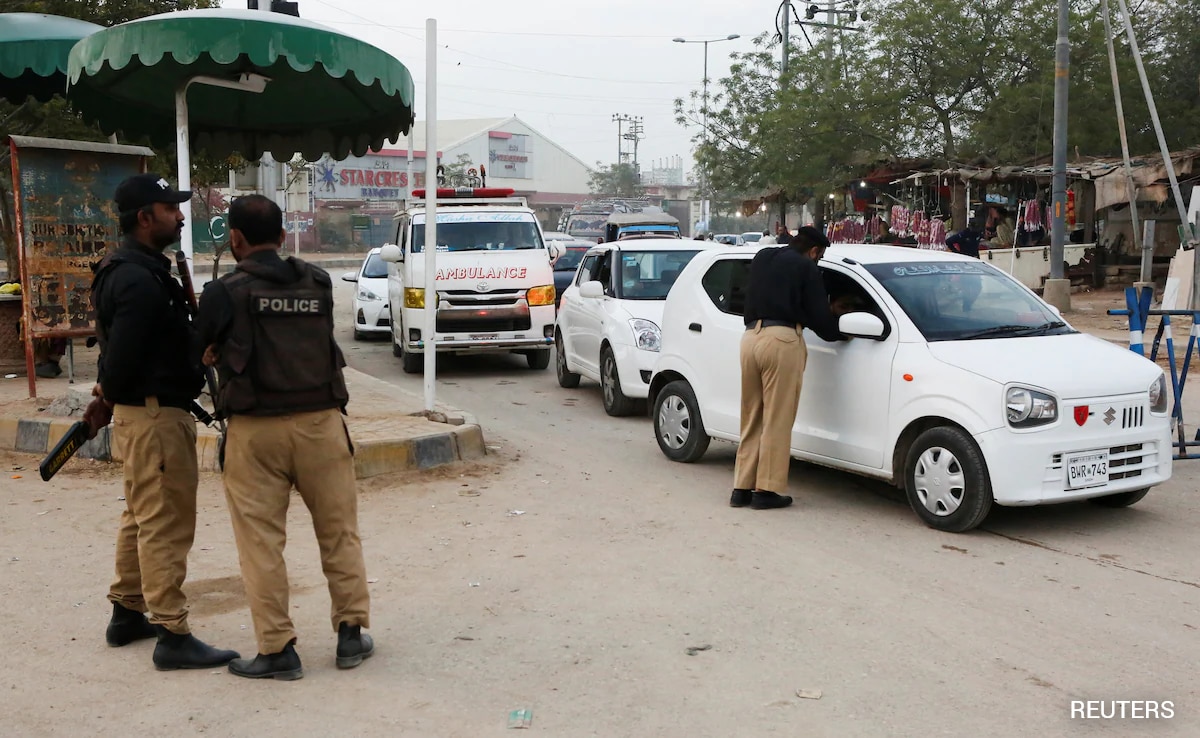
How does this directly change the daily life of a Pakistani citizen? A pervasive Punjab Police fuel shortage means reduced police visibility in urban and rural areas. Students might experience longer commutes with less secure routes, while professionals could face delayed responses to emergencies. Households, particularly in remote regions, might perceive a decrease in proactive policing, thereby increasing feelings of vulnerability. Ultimately, the efficiency of law enforcement directly correlates with the baseline security and prosperity of communities. Compromising this efficiency creates cascading socio-economic repercussions, impacting everything from local commerce to citizen confidence.
The “Forward Path”: Stabilization Move or Momentum Shift?
From an architectural perspective, this development represents a Stabilization Move rather than a Momentum Shift. While resource recalibration is sometimes necessary, these cuts are reactive, driven by an overarching energy crisis. A genuine Momentum Shift would involve strategic investments in alternative energy for public services or a comprehensive policy to fortify the fuel supply chain. Maintaining current operational parameters under severe constraints is a stabilization effort, but it does not address the fundamental vulnerabilities. Pakistan requires proactive, sustainable solutions to ensure its critical services remain uncompromised by energy fluctuations.