

A significant LNG tanker disruption is currently recalibrating global energy supply chains, with nearly 50 liquefied natural gas carriers linked to Qatar’s exports now idle across key maritime zones in Asia. This structural challenge, intensified by the Middle East conflict and the effective closure of the Strait of Hormuz, directly impacts the energy security of nations like Pakistan, which depend heavily on stable LNG imports. The stranded fleet represents a substantial 3.4 to 3.5 million tons of transport capacity, compelling Asian buyers to seek urgent replacement cargoes and adjust to declining import volumes.
Structural Realities: Decoding the Global Gas Transport Challenge
This operational pause signifies a critical vulnerability in the global energy matrix. Approximately 50 Qatari-linked LNG carriers, each with a capacity of around 170,000 cubic meters, are observed in a state of inactivity. They are strategically positioned in critical maritime passages: west India, off Sri Lanka, near the Strait of Malacca, and offshore Singapore. These vessels are currently without cargo.
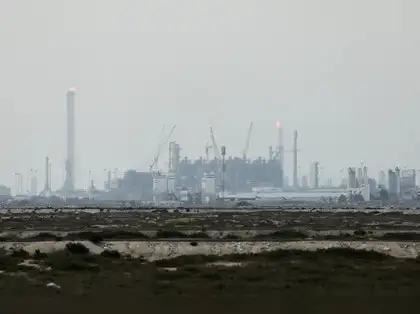
Consequently, this situation directly correlates with the ongoing shutdown of Qatar’s Ras Laffan export plant, the world’s largest LNG export facility. The plant’s operational halt, following recent attacks, combined with the strategic closure of the Strait of Hormuz—a vital global energy chokepoint—has catalyzed this supply chain interruption. Qatar typically contributes nearly one-fifth of the world’s LNG supply, with over 80 percent directed towards Asia.
National Advancement Calibrated: The Socio-Economic Impact on Pakistan
For the Pakistani citizen, this sustained energy flux translates into tangible socio-economic effects, particularly concerning energy access and cost. Households in both urban centers and rural areas rely on LNG for electricity generation, industrial operations, and potentially even domestic heating. A constrained supply environment, stemming from global geopolitical events, inevitably leads to higher spot market prices and intensified competition for available cargoes.
Students and professionals will experience the ripple effects through increased operational costs for businesses, potentially impacting employment and economic stability. Furthermore, the nation’s energy grid, already under demand pressure, faces augmented stress. This scenario necessitates a strategic recalibration of national energy procurement policies to ensure baseline energy security for all citizens, preventing disruptions to essential services and daily routines.
Strategic Foresight: Is This an LNG Tanker Disruption Momentum Shift?
This current situation represents a critical “Stabilization Move.” It compels nations, particularly those in Asia like Pakistan, to reassess and reinforce their energy diversification strategies. While the immediate impact is challenging, it offers a calibrated opportunity to accelerate investment in indigenous energy sources and enhance strategic reserves.
Consequently, this moment demands disciplined, forward-thinking policy formulation to mitigate future vulnerabilities. Pakistan must leverage this scenario to structurally enhance its energy resilience, moving towards a more robust and self-reliant energy architecture. This requires not just reacting to market shifts but proactively shaping a secure energy future.








