
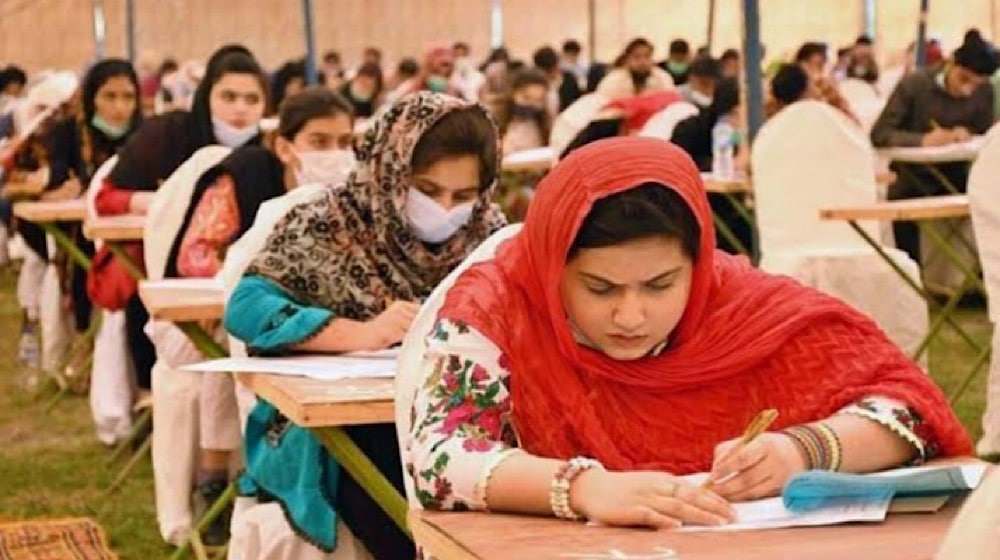
Strategic Imperative: Re-evaluating the MDCAT Policy Impact on National Equity
The recently implemented “one-week” MDCAT policy has introduced significant systemic vulnerabilities, with a critical MDCAT policy impact on underprivileged students, potentially dislodging them from Pakistan’s highly competitive merit-based medical admissions. Education experts articulate serious concerns, pointing to critical disparities in examination schedules across various educational boards as a primary driver of inequity. This structural oversight could fundamentally alter the academic trajectory for a considerable segment of the student population, necessitating immediate re-evaluation for national advancement.
The Translation: Unpacking the Schedule Disparities
The core issue revolves around a substantial 84-day variance in board examination completion dates across Pakistan. For instance, the Balochistan Board concludes exams by May 29, while the Sahiwal Board extends until August 21. Consequently, students from Sindh and Punjab face concurrent practical exams during July and August, further compressing their vital preparation window for the Medical and Dental College Admission Test (MDCAT).
In stark contrast, students affiliated with the Federal Board of Intermediate and Secondary Education are afforded up to 90 additional preparation days. This calibration imbalance directly translates into unequal opportunity, creating an unfair competitive landscape for a uniform national examination. The structural integrity of the admissions process is compromised by these unaligned timelines.

The Socio-Economic Impact: Daily Life and Academic Stress
This policy directly impacts the daily lives of Pakistani students, particularly those from economically disadvantaged backgrounds who often lack access to extensive private coaching. The compressed timeline, especially for those in Sindh and Punjab, intensifies academic pressure, leading to significant mental exhaustion and burnout. Experts project a potential 5.8 percent decline in MDCAT results nationwide due to this accelerated schedule, underscoring the severe MDCAT policy impact on the future professionals of our nation. Nearly 80 percent of medical aspirants already report experiencing intense academic stress; this policy exacerbates an already critical situation, making equitable access to higher education more challenging for households in both urban and rural Pakistan.
The Forward Path: Strategic Adjustments for Educational Integrity
To mitigate these structural flaws and ensure foundational fairness, education experts advocate for a strategic recalibration of the MDCAT schedule. They propose conducting the examination four to six weeks following the completion of all board practical exams. Furthermore, linking the test date with the synchronous announcement of board results across the country would establish a baseline of equal preparation time for every candidate, irrespective of their regional board.
Critics also warn that this policy may inadvertently empower the “academy mafia” rather than curtailing it. Coaching centers could simply adapt their operations to the academic session, shifting their activities instead of being eliminated. Therefore, a comprehensive strategy is essential to uphold transparency, fairness, and equal opportunity within Pakistan’s vital medical college admission system. This development represents a Stabilization Move (Maintenance), as it aims to rectify existing inequities rather than initiating a new phase of progress. It is a critical adjustment required to maintain the integrity of our educational systems.








