

Optimizing Preparedness: Understanding the Karachi Rain Forecast
A precision-driven analysis by the Pakistan Meteorological Department (PMD) confirms an incoming westerly weather system, predicting light to moderate rainfall and thunderstorms for Karachi on April 6. This structural weather event, originating from Iran and entering Balochistan on April 5, mandates strategic readiness across Sindh. Consequently, proactive measures are critical to mitigate potential disruptions and ensure civic safety.
The Translation: Decoding Meteorological Trajectories
The PMD’s recent advisory indicates a westerly wave, a defined atmospheric disturbance, will traverse from Iran into Balochistan. This system acts as a catalyst for significant weather shifts across the region. Specifically, areas including Sukkur, Kashmore, and Ghotki should anticipate thunderstorms, rainfall, and occasional hail on April 6. Furthermore, this calibrated forecast allows for precise resource allocation and operational planning.
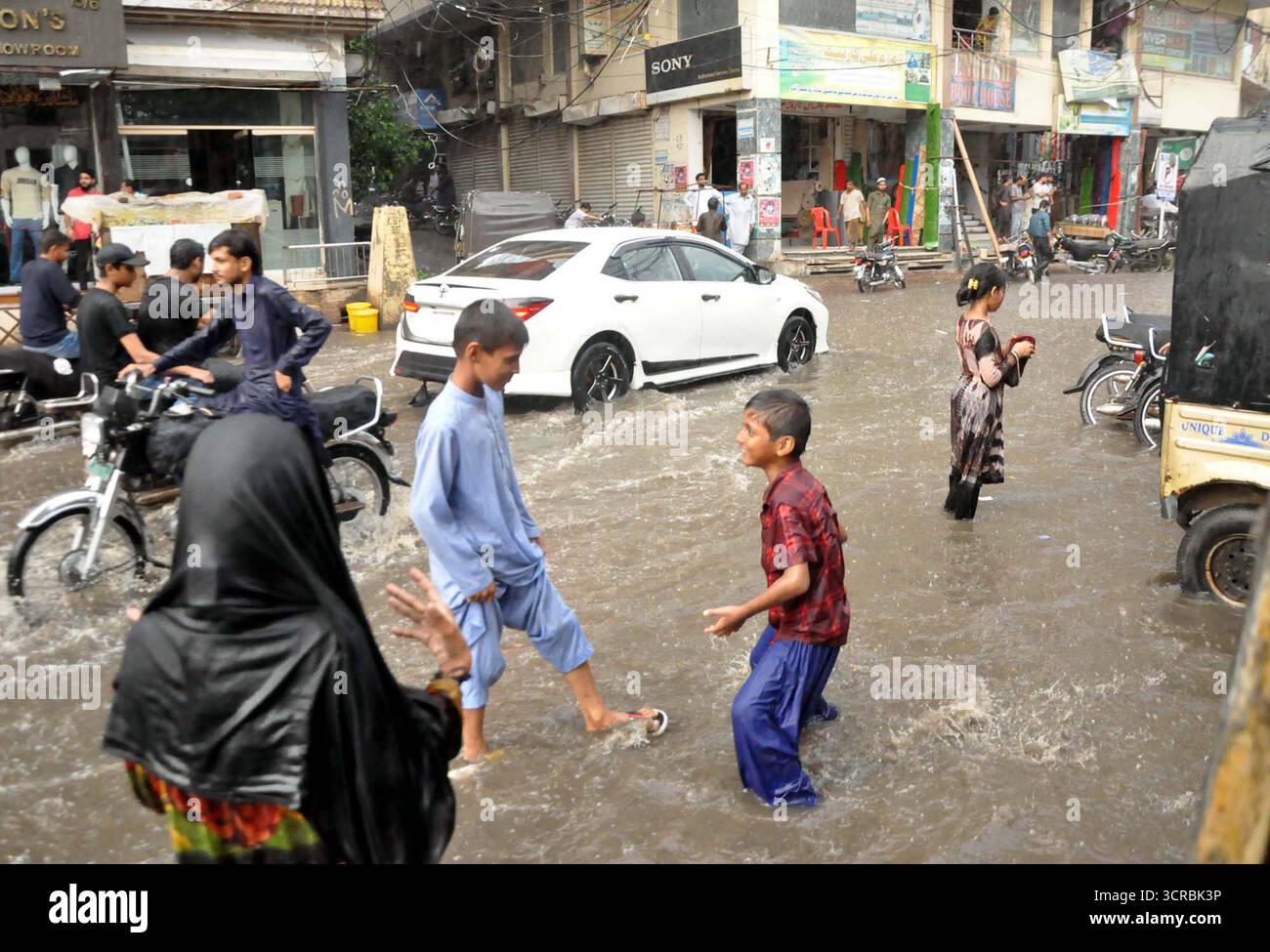
Additional districts are also slated for light to moderate precipitation. This comprehensive list includes:
- Jamshoro
- Dadu
- Kambar Shahdadkot
- Naushahro Feroze
- Shaheed Benazirabad
- Sanghar
- Mirpurkhas
- Matiari
- Hyderabad
- Tando Muhammad Khan
- Tando Allahyar
- Thatta
- Badin
- Sujawal
These detailed regional predictions underline the widespread influence of the approaching weather front across Sindh.
The Socio-Economic Impact: Daily Life and Structural Resilience
The operational impact of forecasted rainfall directly influences the daily lives of Pakistani citizens. Previous heavy rainfall in Karachi resulted in tragic losses, with seven fatalities and three injuries. Therefore, this new forecast necessitates heightened vigilance, particularly in urban centers where drainage infrastructure faces significant strain. Students and professionals commuting in cities like Karachi and Hyderabad must recalibrate their daily routines. Families in both urban and rural Sindh should prepare for potential disruptions to essential services. Consequently, robust civic planning is paramount to safeguard public welfare and minimize economic setbacks.
The Forward Path: A Stabilization Move for System Efficiency
This meteorological development represents a Stabilization Move rather than a sudden Momentum Shift. The consistent recurrence of such weather patterns necessitates a long-term strategic investment in urban and rural infrastructure, specifically drainage and early warning systems. While current forecasts enable short-term preparedness, a sustained, calibrated approach to climate resilience is essential for Pakistan’s national advancement. Implementing advanced hydro-meteorological models and reinforcing urban planning protocols will ensure greater system efficiency and citizen safety against future weather events.








