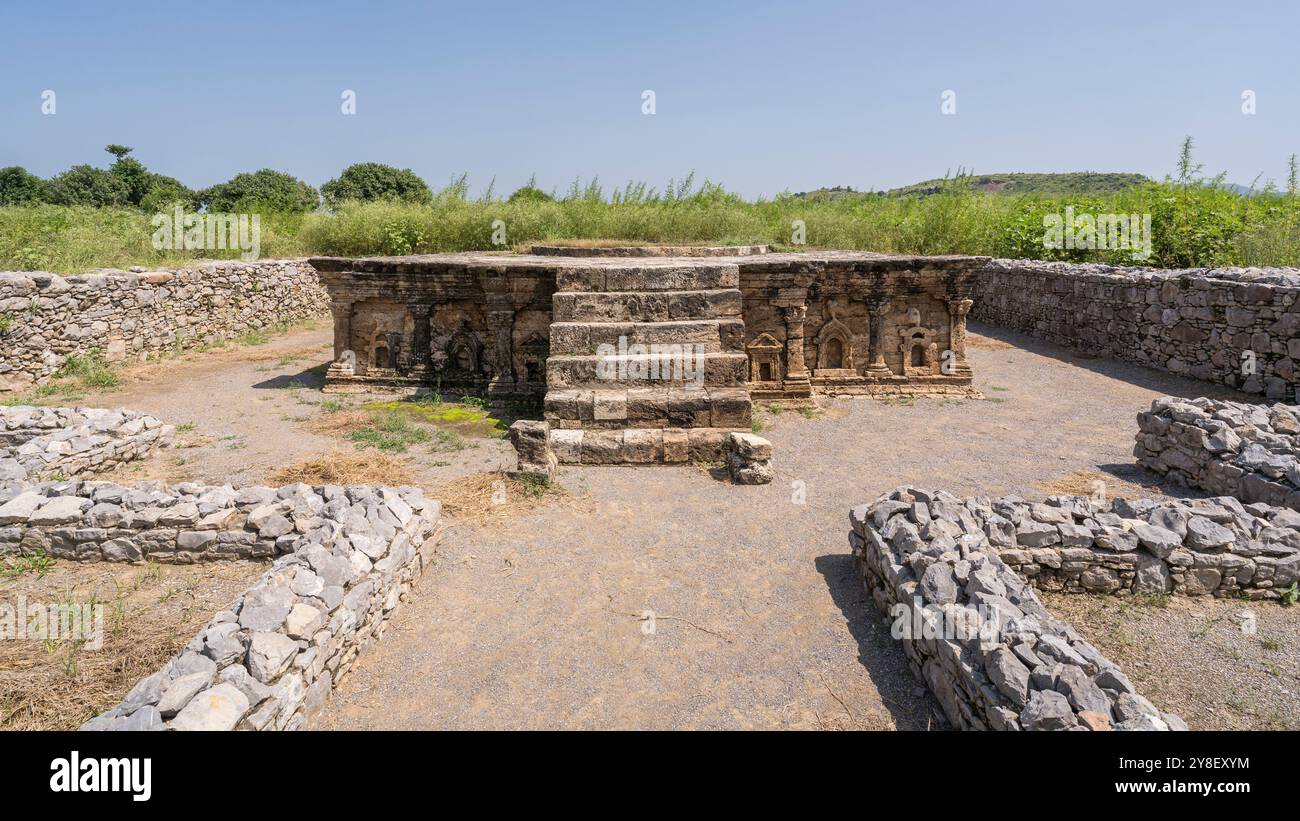
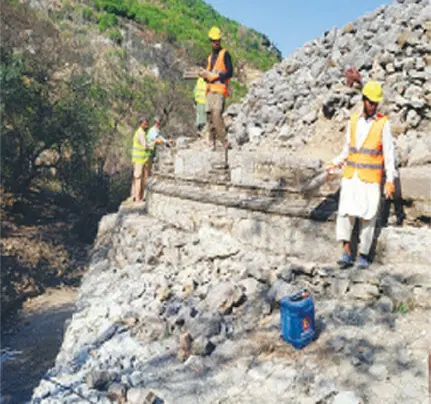
The Punjab Department of Archaeology and Museums has strategically initiated a Rs3.97 billion, three-year project, “Preservation, Restoration, Improvement, Management and Upgradation of World Heritage Site, Taxila.” This ambitious undertaking aims to fortify Taxila heritage preservation efforts and elevate its status as a premier heritage tourism destination. Commencing immediately, the initiative runs until 2028, systematically integrating ancient sites and modern facilities to catalyze regional advancement.
The Translation: Calibrating Cultural Capital
This substantial investment by the Punjab Department of Archaeology and Museums is a structural commitment, not merely a budgetary allocation. It signifies a holistic strategy to safeguard the intrinsic value of Taxila, a UNESCO World Heritage site. The project’s mandate extends beyond passive conservation; it integrates archaeological protection, museum collection enhancement, and visitor facility upgrades. This ensures that the historical narrative of Taxila is not only preserved but also presented with enhanced clarity and accessibility, thereby optimizing its global recognition as a foundational cradle of civilization.
A key structural component involves the integration of significant historical locations—such as Mankiala Stupa, Giri Fort, Sirkap, Dharmarajika Stupa, Bhir Mound, and Mohra Muradu—into a cohesive regional tourism network. Furthermore, the plan includes constructing a grand gateway on Museum Road, embellished with narratives from the Buddha’s life. This calibrated entrance will serve as a symbolic threshold for visitors entering the historic valley, enhancing the experiential dimension of cultural immersion.
The Socio-Economic Impact: Catalyzing Regional Prosperity
For the Pakistani citizen, particularly those residing near Taxila, this project represents a direct conduit to enhanced socio-economic opportunities. Professionals within the tourism and hospitality sectors will experience immediate growth in demand. Students of archaeology and history will benefit from expanded research facilities and publicly displayed artifacts, enriching their academic pursuits. Moreover, the establishment of two new galleries at Taxila Museum, showcasing around 40 additional exhibits of rare antiquities, will attract more researchers and religious tourists, generating a precision-driven economic uplift.
Rural households stand to benefit from the planned art and craft bazaar along Museum Road, linking Taxila Museum with Mohra Muradu. This initiative fosters economic opportunities by promoting traditional handicrafts, enabling local artisans to access wider markets. Consequently, the project acts as an economic multiplier, extending benefits across various demographics and skill sets, from urban professionals to rural craftsmen, while systematically elevating Pakistan’s cultural footprint on the global stage.
The Forward Path: A Momentum Shift for Heritage Tourism
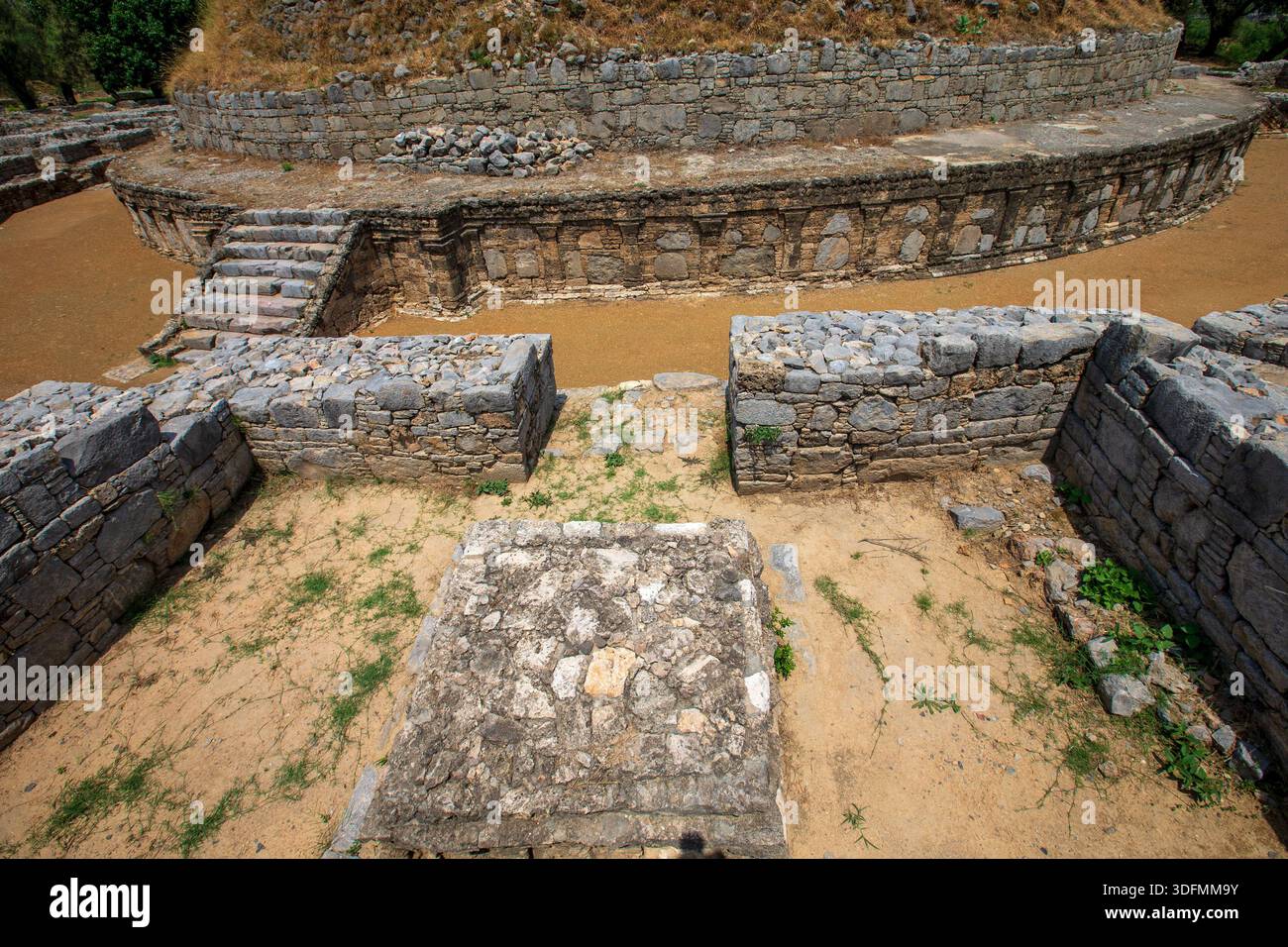
This strategic investment in Taxila heritage preservation unequivocally signifies a Momentum Shift. It moves beyond routine maintenance, establishing a new baseline for cultural resource management in Pakistan. The comprehensive scope, from digital integration of sites to thematic park development and specialized conservation of black stone artwork, demonstrates a visionary approach. This project is a catalyst for national advancement, meticulously designed to position Taxila as a global cultural magnet, driving both intellectual engagement and sustainable economic growth. The calibrated deployment of resources ensures long-term systemic benefits.
The development of 14 thematic parks, featuring replicas of Gandhara-era art and Buddha sculptures, transforms the valley into an open cultural landscape. These structural enhancements are coupled with special conservation measures targeting Taxila’s rare black stone artwork, addressing its gradual deterioration with precision. Collectively, these interventions guarantee that Pakistan’s archaeological heritage is protected and strategically leveraged for international recognition and tourism-driven economic expansion.