
Hello, I’m Yahya Amir, a 12th-grade student passionate about aerospace engineering. My fascination ignited the moment I saw a JF-17 Thunder jet model. At NextGenPakistan, I aim to inspire young Pakistanis to dream big. My projects, including designing a 3D-printed JF-17 model and researching the Super Mushshak’s evolution, immersed me in the Pakistan aerospace industry. Today, I present a comprehensive look at its history, key milestones like the JF-17, institutions such as PAC, the innovative NASTP, prevailing challenges, and incredible career opportunities for youth. If you’re eyeing engineering or curious about Pakistani tech, this article is for you. Let’s explore!
The Roots of Pakistan’s Aerospace Industry: A Historical Overview
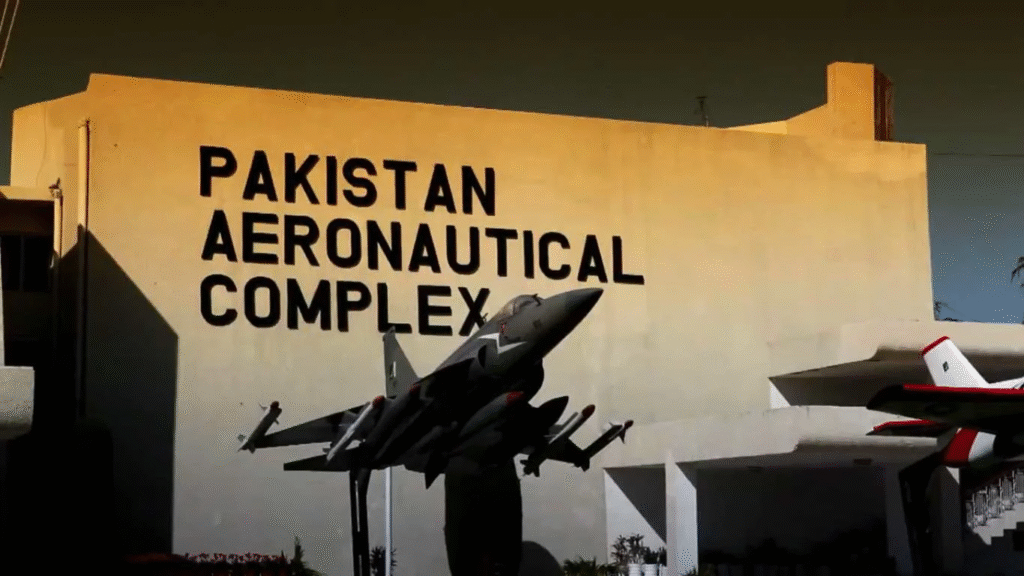
Pakistan’s aerospace journey began not with advanced jets, but with a critical need for self-reliance. During the late 1970s, international sanctions limited access to foreign technology. Our leaders therefore recognized the urgent need for indigenous capabilities. The Pakistan Aeronautical Complex (PAC) in Kamra was established in 1971 by the Pakistan Air Force (PAF) as an overhaul facility. Initially, it focused on Chinese F-6 fighters.
By the 1980s, PAC transformed into a complete manufacturing hub. Consequently, it began producing aircraft and avionics for our military. This achievement was truly remarkable; a young nation, barely three decades old, built the capacity to maintain and upgrade sophisticated war machines amidst geopolitical isolation. Imagine the dedication involved!
Furthermore, the 1990s introduced Project ROSE (Retrofit of Strike Element), a significant turning point. This initiative upgraded aging Dassault Mirage III and V jets with modern avionics, thus extending their service life and saving millions in foreign procurement costs. It represented more than mere repairs; it symbolized indigenous innovation. Engineers at PAC meticulously integrated French, Italian, and local technology, creating a hybrid solution. This dramatically boosted radar, navigation, and weapon systems.
For me, as a student tinkering with CAD software during my internship at Quality Solutions Technologies, this project perfectly symbolizes national resilience. I spent weeks modeling components like fuselages and wings, much like the original PAC teams. Indeed, their work laid foundational groundwork.
The early 2000s saw global partnerships emerge. Following U.S. sanctions after Pakistan’s nuclear tests in 1998, the nation shifted towards China, leading to crucial collaborative ventures. By 2025, Pakistan’s aerospace sector has grown into a $2.6 billion industry, despite previous economic pressures. Presently, with a defense budget of $7 billion in 2024, projected to grow over 10% CAGR through 2029, Pakistan is significantly investing in satellites, drones, and next-gen fighters. The sector now embraces public-private partnerships, with companies like Turkish Aerospace and Aselsan actively exploring collaborations. This demonstrates a robust outlook for the Pakistan aerospace industry.
History, however, is not merely dates; it comprises stories of people and ingenuity. Consider the Super Mushshak trainer aircraft, derived from the SAAB MFI-17. In my research paper under NSTC, I detailed how PAC transformed this Swedish design into a homegrown trainer. This aircraft is now utilized by over 20 air forces globally. From conceptual sketches to demanding flight tests, its development involved overcoming material shortages and precision engineering challenges. This evolution highlights Pakistan’s significant shift from an importer to an exporter, with PAC producing over 500 Mushshak units since 1996. For youth like us, it’s a powerful reminder that aerospace careers are accessible to curious minds willing to learn and innovate.
As we enter 2025, the industry actively embraces Industry 4.0, integrating digitalization into design and manufacturing processes. Although budgets are modest, initiatives like the Green Pakistan Programme indirectly support aerospace by promoting sustainable technology. Overall, our history reveals a profound narrative of adaptation, consistently transforming constraints into formidable strengths.
The JF-17 Thunder: A Symbol of Pakistani Ingenuity and Global Impact
No discussion of the Pakistan aerospace industry is truly complete without mentioning the JF-17 Thunder. Launched in 2003, this multirole fighter jet stands as a testament to successful bilateral cooperation and exceptional homegrown talent. Co-developed by China’s Chengdu Aircraft Corporation (CAC) and PAC, the project cost $500 million, equally split between the two nations. The maiden flight in August 2003 marked a pivotal moment, signaling the end of Pakistan’s reliance on outdated fleets, especially after U.S. sanctions had halted F-16 deliveries. This jet epitomizes self-sufficiency.
The development story of the JF-17 is indeed captivating. In the 1990s, the PAF sought a lightweight, cost-effective fighter to replace its aging Mirage III/Vs. Initial talks with Russia and other nations proved unsuccessful. This led to the Super-7 project with China in 1998, which was subsequently renamed JF-17 (Joint Fighter-17) in 2001. By 2006, a redesigned prototype successfully addressed early flaws concerning engine integration and aerodynamics. PAC’s Kamra facility proudly assembled the first aircraft in 2003. Today, it manufactures an impressive 60% of components locally, thanks to effective technology transfer. This showcases significant national capability.
What truly distinguishes the JF-17? Its versatility is paramount, excelling in both air-to-air and air-to-ground missions. It features advanced avionics, including AESA radar in the Block III variant, and boasts compatibility with missiles like the PL-15. Importantly, in 2025, 22 years after its inception, it remains ‘sanction-proof,’ a crucial advantage amidst ongoing regional tensions. Numerous stories attest to its combat prowess; during 2019 skirmishes, JF-17s effectively engaged and downed Indian aircraft. Furthermore, exports to Myanmar, Nigeria, and Azerbaijan have generated $1.5 billion, providing a significant boost to our economy and establishing its global presence.
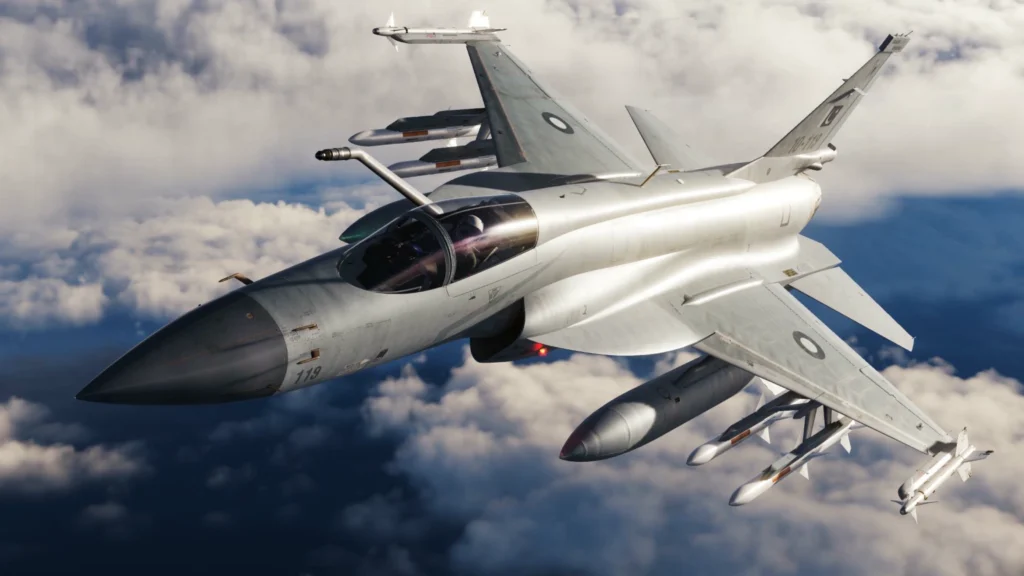
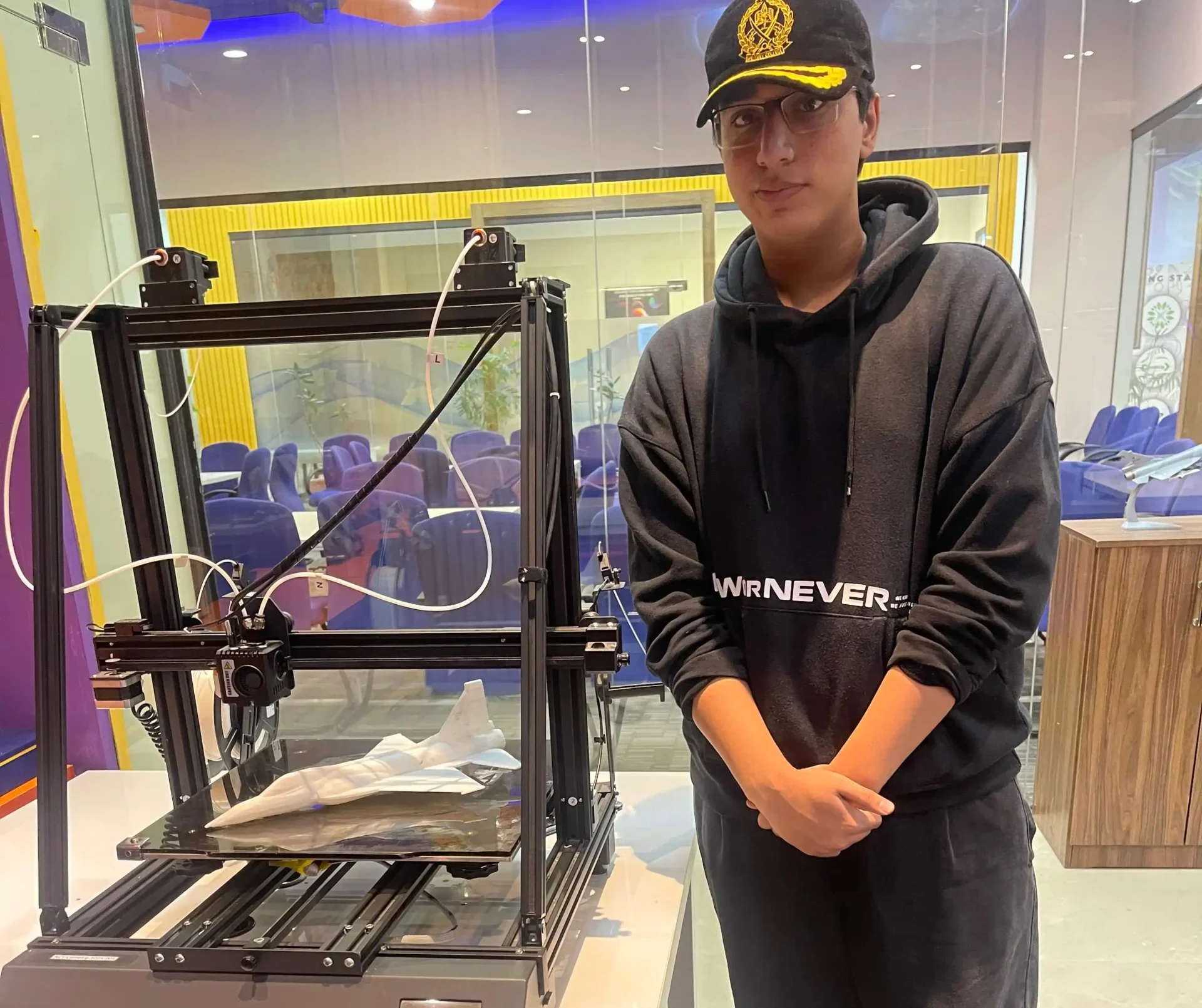
From a youth perspective, the JF-17 Thunder serves as a powerful source of inspiration. In my passion project, I meticulously 3D-printed a scale model using SolidWorks and Cura slicer. This process involved simulating complex tolerances and supports, mirroring the challenges faced by actual PAC engineers. Optimizing infill for lightweight structures presented a significant hurdle, directly reflecting real-world design obstacles. The Block III variant, with its stealth features and helmet-mounted sights, clearly points to future upgrades, potentially integrating AI for advanced autonomous operations. Such developments promise exciting technological frontiers.
Globally, the JF-17 effectively challenges Western dominance by offering affordable yet highly capable technology. Priced at $25-30 million per unit, it significantly undercuts the F-16’s $60 million tag, making it an attractive option for many nations. For Pakistan, it fundamentally represents sovereignty. PAC now competently overhauls and upgrades JF-17s, thereby creating valuable jobs in specialized fields like avionics and composites. As a student, I view it as a compelling blueprint for innovation, definitively proving that with unwavering grit and determination, we can indeed build world-class technology.
The Backbone: Pakistan Aeronautical Complex (PAC) and Its Flagship Projects
At the core of Pakistan’s aerospace prowess lies the Pakistan Aeronautical Complex (PAC) in Kamra. Spanning an impressive 3,000 acres, PAC functions as a comprehensive, one-stop hub for aircraft manufacturing, advanced avionics, and vital MRO (Maintenance, Repair, Overhaul) services. Established in 1971, it initially focused on F-6 overhauls. However, PAC now proudly produces essential trainers like the K-8 Karakorum and Super Mushshak, alongside the formidable JF-17. Its growth showcases remarkable industrial expansion.
Key flagship projects include the Super Mushshak, a primary trainer aircraft. This versatile aircraft is exported to over 20 countries worldwide. My research meticulously traced its roots back to the SAAB MFI-17. PAC, however, significantly upgraded it with advanced Pakistani avionics and specialized ejection seats, optimizing its performance for hot climates. Another crucial project is the K-8 Karakorum, a successful joint China-Pakistan effort. This aircraft serves as an advanced trainer and light attack platform, with over 60 units currently in PAF service, underscoring its operational importance. These projects demonstrate PAC’s innovation.
PAC’s avionics division demonstrates exceptional capability with projects like the KLJ-7 radar for the JF-17 and cutting-edge precision-guided munitions. In 2019, PAC notably unveiled a high-speed target drone specifically designed for missile testing, thereby significantly enhancing national self-sufficiency in defense technology. Furthermore, the complex specializes in harness and canopy manufacturing, utilizing advanced composites to support these sophisticated endeavors. This commitment to advanced manufacturing techniques ensures top-tier quality and performance across all its outputs. Indeed, PAC is a cornerstone of our defense.
Despite its critical importance, PAC faces inherent challenges. The facility experienced near-misses, such as reported IAF plans to target it in 2019. This incident starkly underscores its strategic value and the ongoing need for robust security. Yet, PAC persistently advances, successfully overhauling Mirages under the acclaimed Project ROSE. Currently, it strategically focuses on developing fifth-generation technology, signaling its commitment to future innovation. This forward-looking approach positions PAC at the forefront of aerospace. For youth, PAC represents a significant career goldmine. Internships, much like mine, expose students to real-world CAD and 3D printing applications, effectively bridging classroom theory to vital industry practice. Consequently, it nurtures the next generation of engineers.
NASTP: Pioneering the Next Era of Aerospace Industry Innovation
Introducing the National Aerospace Science and Technology Park (NASTP), Pakistan’s vibrant beacon for research and development (R&D). Launched as a vital component of Aviation City Pakistan, NASTP operates hubs in Rawalpindi and Kharian. This initiative actively fosters innovative ecosystems for design, prototyping, and eventual commercialization of aerospace technologies. Approved as a strategic national project, NASTP aims to generate thousands of high-tech jobs by 2030, significantly contributing to national economic growth. This visionary project is set to revolutionize Pakistan’s technological landscape. It offers unparalleled opportunities for the youth.
NASTP’s primary hubs, Alpha in Rawalpindi and Kharian, strategically focus on cutting-edge fields like Artificial Intelligence (AI), cybersecurity, and advanced space technology. Initiatives within these hubs include immersive VR simulations and state-of-the-art drone labs, as prominently featured in recent youth engagement events. My NSTC projects, particularly in additive manufacturing for aerospace parts, directly aligned with NASTP’s ambitious goals. This synergy highlights the collaborative spirit driving innovation. Furthermore, these efforts are cultivating a new generation of skilled professionals.
In 2025, NASTP continues to forge strong partnerships with global firms, particularly in satellite technology and Unmanned Aerial Vehicles (UAVs), thereby driving substantial economic growth. This endeavor extends beyond mere technological advancement; it fundamentally focuses on nurturing talent through establishing rigorous standards and essential compliance roles. For students, NASTP generously offers invaluable internships and scholarships, effectively transforming their passion for aerospace into viable, fulfilling professions. This strategic investment in human capital is crucial for future progress. Consequently, the program is fostering a highly skilled workforce.
Navigating Challenges: Hurdles in Pakistan’s Aerospace Industry
Despite significant progress, formidable challenges persistently loom over Pakistan’s aerospace industry. Sanctions, for instance, continue to limit access to advanced materials and critical technologies. Economic woes also constrain R&D efforts; defense spending accounts for 2.5% of GDP, yet research receives only a meager 0.2%. Furthermore, the adoption of Industry 4.0 technologies lags due to existing training gaps and insufficient budgets. These financial and technological hurdles impede rapid modernization. Addressing these issues is paramount for sustained growth.
Geopolitics undeniably adds further pressure; PAC’s vulnerability, highlighted by reported threats, underscores the critical need for enhanced security measures. Moreover, a concerning ‘talent drain’ sees many skilled youth emigrating abroad, consequently exacerbating existing shortages in specialized labor. These departures weaken the domestic talent pool. However, these very challenges present unique opportunities in disguise. They actively push the industry towards developing more indigenous solutions, much like the successful creation of the JF-17. This adversity fosters self-reliance and innovative thinking, ultimately strengthening national capabilities.
Opportunities and Careers: Igniting Youth Potential in Pakistan Aerospace
For Pakistan’s dynamic youth, the aerospace industry truly serves as a powerful launchpad for future success. With an impressive 64% of the population under 30, there is immense potential to fill over 100,000 jobs through NASTP initiatives. Roles in design, advanced avionics, and cutting-edge drone technology are abundant at PAC and emerging startups. This rapidly expanding sector promises a bright future. Young individuals can make significant contributions.
To pursue these exciting careers, education is paramount. Consider pursuing a Bachelor of Science in Aerospace Engineering at prestigious institutions like NUST or IST. Certifications in essential software such as CAD/SolidWorks, similar to my own, can significantly open doors. Furthermore, gaining practical experience through internships at organizations like Quality Solutions or NASTP effectively builds a robust professional resume. These steps are crucial for aspiring engineers. They provide a competitive edge in the job market. This practical exposure is invaluable.
Challenges, such as persistent gender gaps, certainly exist within the industry. However, dedicated programs are actively empowering women in STEM fields, fostering greater inclusion and diversity. Regarding compensation, salaries for junior positions typically start around PKR 50,000, rising to over PKR 200,000 for experienced engineers. This makes aerospace an attractive career path. It offers both professional growth and competitive remuneration. Therefore, it’s a field worth considering.
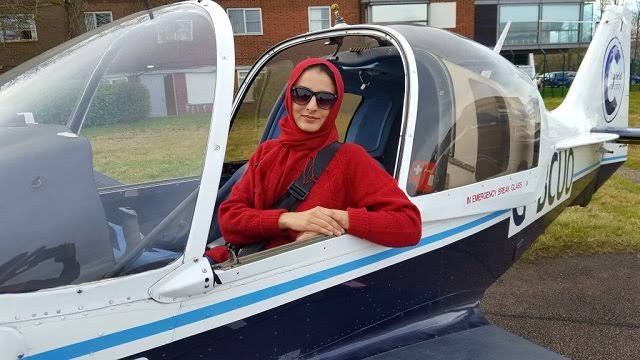
My advice to aspiring aerospace professionals is clear: begin with hands-on projects. Try modeling the JF-17, or actively participate in hackathons. Networking is equally vital; leverage platforms like LinkedIn to connect with industry leaders. Moreover, always aim for global collaborations, as international experience is increasingly valuable. Remember, every major achievement begins with a single step. Your journey into the aerospace world starts now. Embrace these opportunities with enthusiasm and dedication. The sky is indeed the limit for your potential.
Conclusion: Towards a Sky-High Future for Pakistan Aerospace
Pakistan’s aerospace industry, from the iconic JF-17 Thunder to the visionary NASTP, fundamentally embodies our nation’s spirit of innovation and resilience. As young Pakistanis, we must actively seize these burgeoning opportunities, confront challenges head-on, and collectively aim to soar to unprecedented heights. Join me in building this incredible legacy and shaping a truly sky-high future for our country. Together, we can achieve remarkable feats. Our potential is limitless.



Thanks