Optimizing Logistics: Addressing the Pakistan Transport Crisis
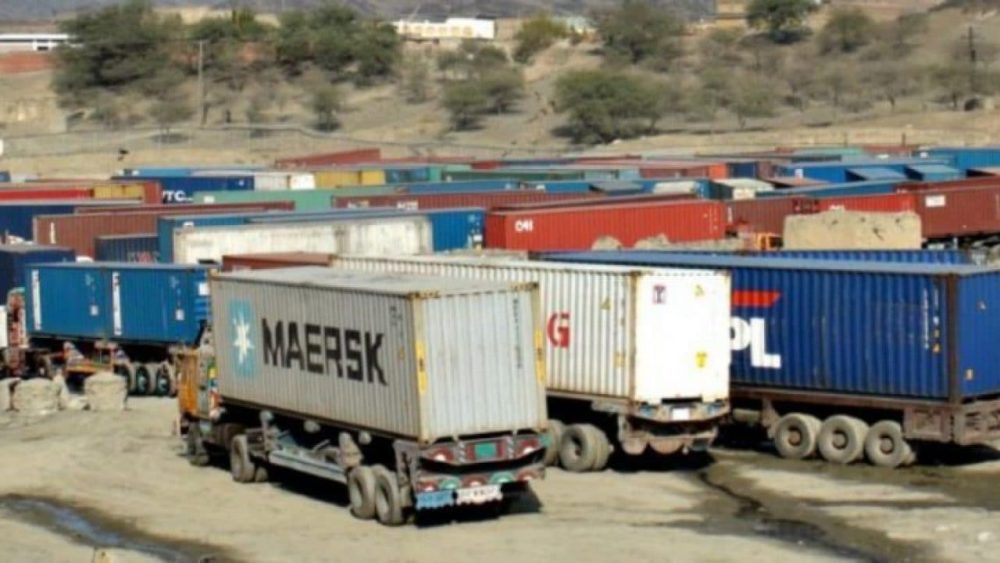
Pakistan’s vital transport sector faces a critical juncture. A recent surge in petroleum product prices, particularly diesel, has catalyzed an emergency meeting among goods transporters. This strategic gathering will address the escalating operational costs, prompting discussions around potential vehicle halts or a significant increase in freight charges. The evolving Pakistan Transport Crisis directly impacts the nation’s economic stability and supply chain efficiency, demanding immediate, calibrated responses to mitigate broader socio-economic disruption.
The Translation: Deconstructing Transport Sector Dynamics
The core issue stems from the inelastic demand for fuel in commercial transport operations. When diesel prices escalate, the direct increase in operational expenditure for transporters is substantial. This situation forces operators to confront a difficult choice: either absorb these losses, which is unsustainable given existing tax burdens, or pass them onto consumers through increased freight rates. Consequently, the transport leaders are projecting a potential 60 to 65 percent increase in freight charges, a direct correlation to the sharp rise in diesel costs. This move is not merely an adjustment; it represents a structural recalibration of an entire sector’s baseline economics in response to external pressures.
The Socio-Economic Impact: Daily Life and the Supply Chain
A significant increase in freight rates will inevitably translate into higher prices for consumer goods. This directly affects the daily life of every Pakistani citizen, from urban households to rural communities, as essential commodities become more expensive. Students and professionals could face increased costs for daily commutes or essential supplies, eroding disposable income. Furthermore, this strain extends to import and export cargo operations at Pakistan’s ports, where existing loading and delivery systems already face challenges. A disruption in the transport sector could severely impede the flow of goods, impacting both local markets and international trade. Such a scenario compromises national economic advancement and system efficiency.

The Forward Path: Navigating Economic Headwinds
Transporters are currently deliberating their future course of action, considering options from industry-wide strikes to revised fare structures. This development represents a Stabilization Move, aiming to regain equilibrium amidst unsustainable operational costs rather than accelerating growth. The potential for further fuel price increases remains a critical concern, capable of exacerbating the Pakistan Transport Crisis and causing widespread supply chain disruptions. A strategic, multi-stakeholder approach, involving government and industry leaders, is imperative. This will formulate sustainable policies that safeguard both the transport sector’s viability and the broader national economy against inflationary pressures.