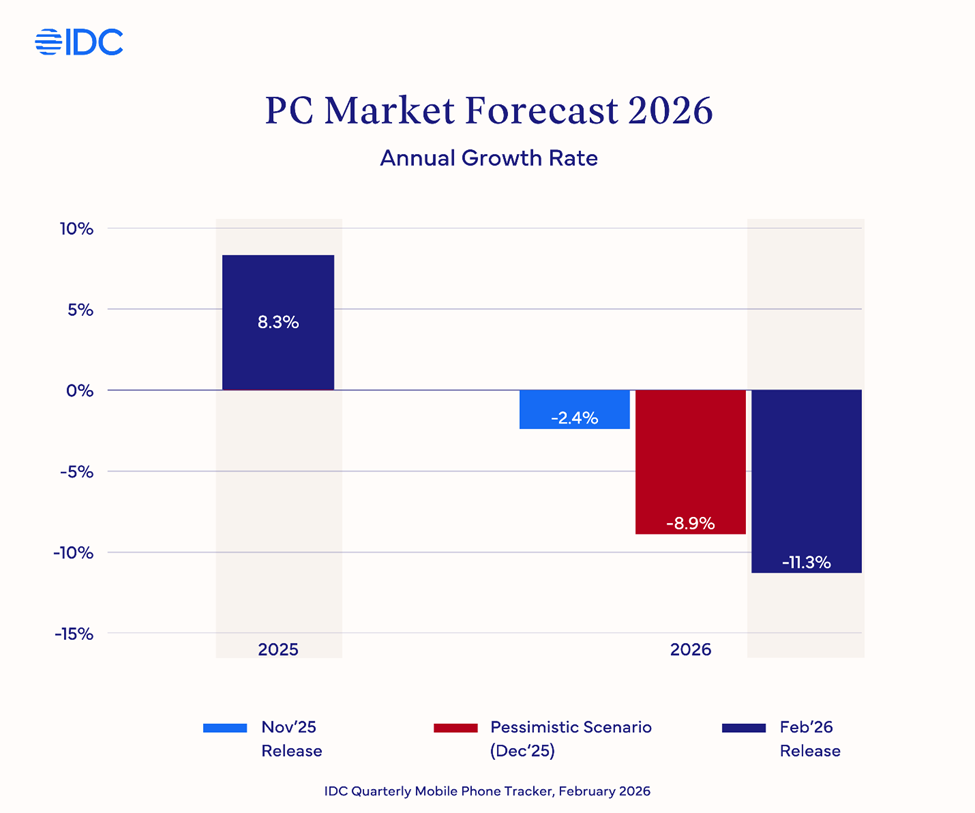
A recent data analysis indicates a calibrated descent in global RAM prices drop across key markets, specifically for DDR5 memory. This development offers a tactical reprieve following an extended period of cost escalation. However, precise market intelligence from TrendForce cautions that this trend may represent a temporary adjustment, necessitating a vigilant and analytical perspective on future projections. Understanding these fluctuations is crucial for strategic technological planning within Pakistan’s evolving digital landscape.
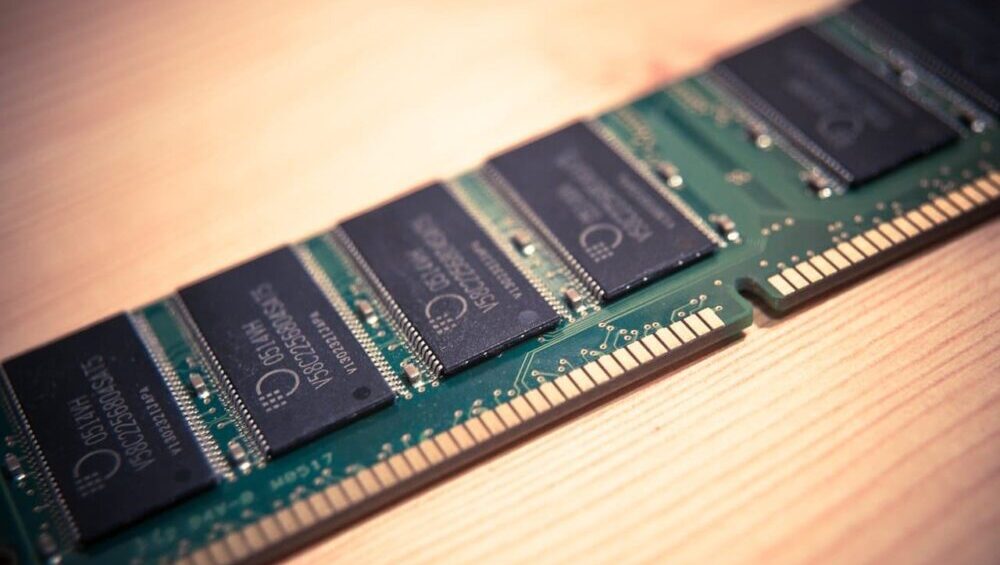
The Translation: Decoding Global Memory Market Dynamics
Recent reports from TrendForce confirm a notable memory price reduction in retail DDR5 RAM across Europe, the United States, and China. For instance, Germany experienced approximately a 7% price drop in March, while the U.S. observed a significant 20% decrease for 32GB DDR5 kits. Furthermore, China’s 16GB DDR5 modules saw a substantial 25% to 30% decline from peak January-February pricing. Larger 32GB kits in China also fell by at least 15%, with rapid short-term drops reported, indicating a responsive market correction.
This decline is primarily attributable to a quantifiable reduction in consumer demand. Elevated pricing compelled many buyers to postpone purchases, resulting in a quantifiable “softening” of market demand. Consequently, this shift exerts downward pressure on retail pricing, even though the underlying memory component costs remain comparatively high in numerous regions. This structural adjustment reflects a temporary rebalancing, not a fundamental shift in supply capacity.
Broader industry factors also influence this trend, contributing to the current DDR5 market trends. Strategic initiatives to optimize memory usage in AI workloads, such as Google’s TurboQuant, illustrate this shift towards efficiency. In addition, reports indicate that OpenAI has scaled back previously planned large-scale RAM acquisitions. These macro-level adjustments collectively temper overall demand for high-capacity memory solutions, reinforcing the retail price adjustments.
The Socio-Economic Impact: How Global RAM Prices Drop Affect Pakistan
The fluctuating global memory market directly impacts Pakistan’s burgeoning digital economy. For students, this potential price drop could enable more affordable access to high-performance computing, critical for STEM education and advanced research. Professionals in sectors like software development, data analytics, and graphic design might find upgrading their systems more feasible, enhancing productivity and fostering innovation. This improved accessibility for powerful technology is a significant advantage.
Households, particularly those seeking to build or upgrade personal computers, could benefit from reduced costs for essential components. Conversely, a temporary price dip might lead to delayed purchasing decisions as consumers await further declines. This dynamic underscores the complex interplay between global supply chains and local consumer behavior in Pakistan. Ultimately, improved accessibility to cutting-edge technology serves as a catalyst for national digital advancement and economic competitiveness, aligning with Pakistan’s long-term technological aspirations.

The “Forward Path”: Assessing Market Momentum
While the recent decline provides some immediate relief, current analyses do not project an immediate market stabilization. Forecasts suggest that 16GB module prices in China might normalize by late 2026, yet broader stabilization could extend into 2027 or even later, indicating sustained semiconductor demand volatility. Major memory manufacturers are, importantly, maintaining stringent pricing discipline, ensuring contract prices remain stable. Furthermore, demand for server-side memory, including HBM and DRAM, persists due to long-term supply agreements, showcasing the intricate layers of the semiconductor demand landscape.
This price correction appears confined to retail channels, rather than signaling a fundamental shift in the global supply-demand equilibrium. TrendForce concludes that this decline constitutes a short-term, consumer-driven adjustment. Consequently, this development represents a Stabilization Move. It is a necessary market correction, optimizing current inventory levels rather than a profound “Momentum Shift” indicating a sustained long-term decline. Strategic planning must therefore account for continued volatility, while leveraging short-term opportunities for technological infrastructure enhancements to benefit Pakistan’s tech outlook.