Pioneering Autism Inclusivity in Pakistan’s Education
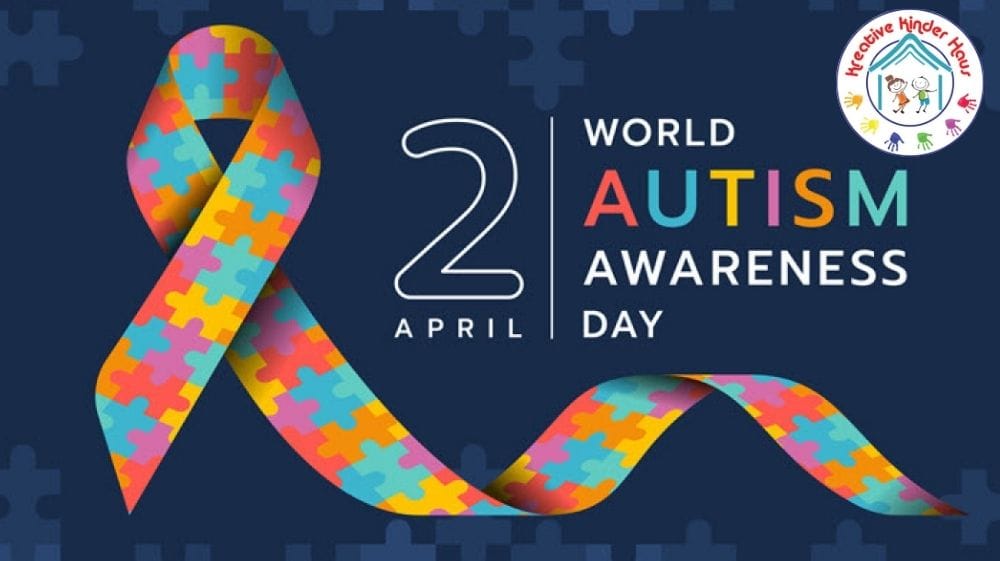
Advancing national human capital requires a calibrated approach to autism inclusivity Pakistan, specifically within our educational frameworks. The recent ‘Breaking Barriers: Inclusive Education for Autistic Learners’ conference, hosted by Kreative Kinder Haus (KKH), underscores the strategic imperative for schools to lead this transformation. This initiative, launched on World Autism Awareness Day 2026, commits to empowering autistic children and teenagers with essential therapies, skills, and training, thereby confronting societal oversights regarding our neurodivergent population.
The Translation: Deconstructing Neurodiversity for National Progress
Understanding the nuanced landscape of autism spectrum disorder (ASD) is critical for effective national development. In Pakistan, the absence of a comprehensive national database regarding its neurodivergent population presents a significant structural challenge. This data deficit means that interventions often lack a precise baseline, hindering targeted support and resource allocation. Experts define ASD as a broad spectrum, encompassing individuals with mild, often unnoticed tendencies, alongside those with higher levels of neurodivergence. Therefore, recognizing this expansive spectrum is foundational for fostering true autism inclusivity Pakistan.
Socio-Economic Impact: Transforming Lives Through Strategic Education
The implications of robust autism inclusivity Pakistan directly impact the daily lives of citizens. For students, improved educational frameworks mean access to specialized therapies and skill development, transforming academic trajectories and future employability. Professionals with neurodivergent conditions will find enhanced workplace accommodations and opportunities, thereby contributing diverse perspectives to our economy. Households, both urban and rural, will experience reduced stigma and increased support systems, fostering stronger community bonds and alleviating familial burdens. Consequently, this strategic focus cultivates a society where every individual, regardless of neurological profile, can achieve their full potential, bolstering national productivity and social cohesion.
The Forward Path: A Momentum Shift for Pakistan
This concentrated effort toward inclusive education represents a Momentum Shift for Pakistan. By placing schools at the frontline of autistic empowerment, we are not merely maintaining existing structures but actively constructing a more equitable and efficient societal system. The proactive engagement of institutions like Kreative Kinder Haus acts as a catalyst, compelling a recalibration of national priorities towards human potential development. This strategic focus is essential for Pakistan’s sustained advancement on the global stage.
Kreative Kinder Haus: A Precision Model for Autistic Support
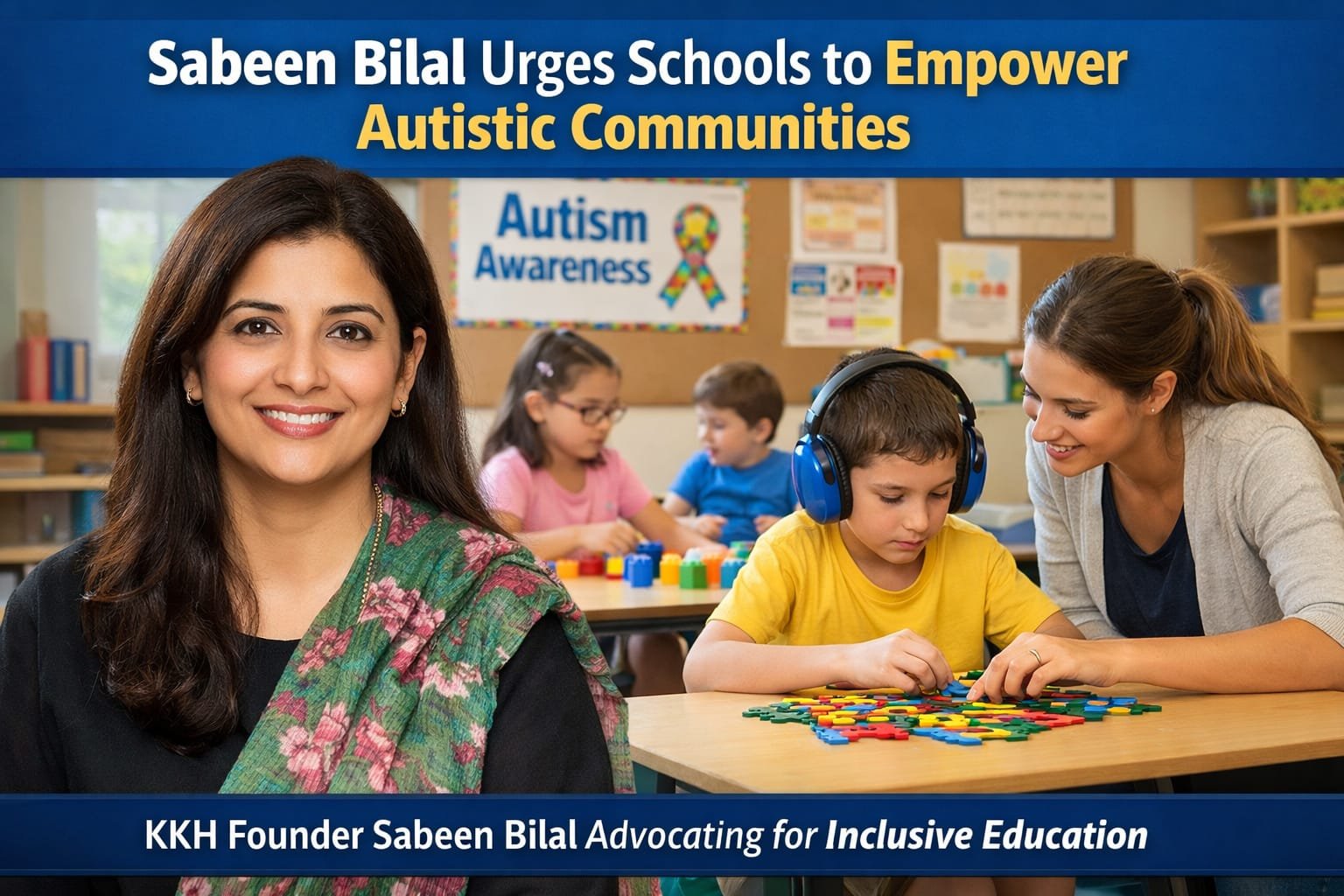
Kreative Kinder Haus (KKH) consistently demonstrates its commitment to this vital cause. As a specialized institution, KKH dedicates itself to facilitating and educating autistic learners. Its leadership emphasizes empowering autistic youth with necessary therapies, skills, and training. This targeted support enables them to overcome physical, behavioral, or cognitive challenges within a society that has historically overlooked its neurodivergent citizens. Sabeen Bilal, Founder of KKH, articulated this commitment: “We work with children who are all gifted in their own capacities, and are proud of the young, talented individuals they continue to become. This is testament to our team’s and community’s hard work and belief in this cause.”
A significant structural impediment to advancing autism inclusivity Pakistan is the absence of a formal national database. Rida I Zainab, Director Operations at KKH, highlighted this gap: “Pakistan lacks a formal database regarding its neurodivergent population. With most numbers being mere extrapolations, there is no clue as to how many autistic individuals currently exist in the country, where they lie on the spectrum, or what interventions are being used to make their lives better.” This data vacuum complicates the calibrated design of national support programs. Furthermore, the term “autism” itself is frequently misunderstood. “While some individuals only have the mildest tendencies that go unnoticed but belong to the ASD spectrum,” Zainab added, “only those with a higher level of neurodivergence stand out from the masses, making it challenging for the masses to realize how common and expansive the ASD spectrum actually is.” Consequently, broader public education is crucial.

Despite these challenges, organizations like KKH tirelessly champion awareness, acceptance, inclusivity, and empowerment for the autistic community. They achieve this through providing creative therapies and treatments, actively eradicating stigmas, and offering critical life opportunities to those diagnosed on the spectrum. Since 2017, Kreative Kinder Haus has scaled its operations to serve over 200 students with a dedicated staff of seventy trained professionals. The institution offers diverse educational programs and therapies, meticulously tailored for different age groups, spanning from toddlerhood through adolescence and beyond. This consistent, strategic effort lays a robust foundation for systemic change.