
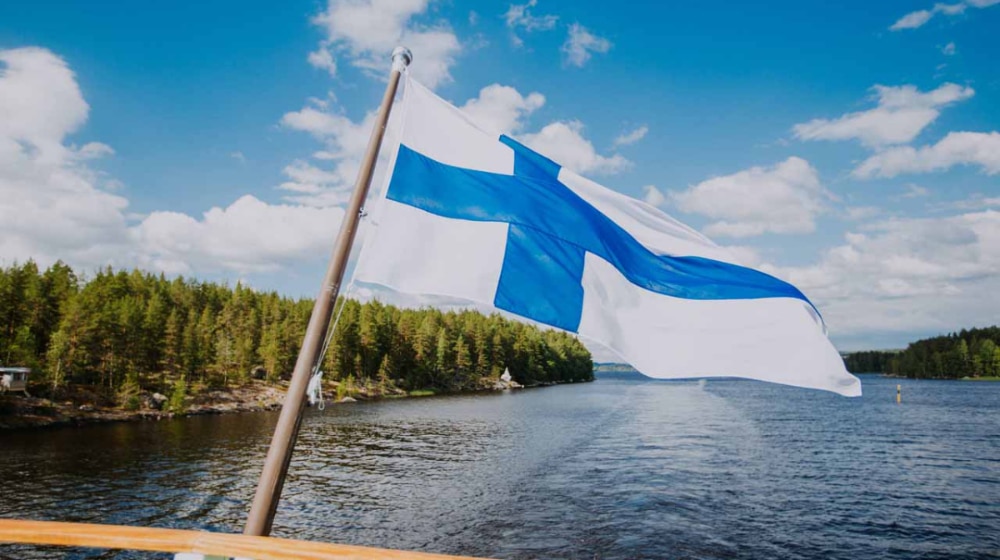
A calibrated shift in global diplomatic strategy has prompted Finland to confirm the impending Finland embassy closure in Islamabad this summer. This decision follows a brief re-establishment of the mission in 2022 after a decade-long hiatus. The Finnish authorities cite “strategic and operational reasons” for this move, which parallels similar actions in Afghanistan and Myanmar, suggesting a systematic re-evaluation of its international presence. Consequently, understanding the structural implications of this European diplomatic adjustment is crucial for Pakistan’s foreign policy framework.
The Translation: Deconstructing Diplomatic Realignments
The term “strategic and operational reasons” often signifies a comprehensive assessment of resource allocation, geopolitical priorities, and security landscapes. In this context, the Finland embassy closure in Islamabad, despite its recent reopening, indicates a re-prioritization of Finland’s diplomatic engagement rather than a direct deterioration of bilateral ties. Furthermore, the limited consular services already provided from Islamabad, with most critical functions handled by missions like Abu Dhabi, suggest a pre-existing operational streamlining. This move aligns with a broader trend; for instance, Sweden also closed its embassy in Pakistan in 2023, primarily citing security concerns, thereby signaling a regional re-evaluation by certain European nations.

The Socio-Economic Impact: Calibrating Citizen Engagement
For a Pakistani citizen, the immediate practical impact of the Finland embassy closure might appear minimal, particularly as visa and passport services were largely outsourced already. However, the broader socio-economic implications are significant. Students pursuing higher education or professionals seeking opportunities in Finland may experience extended processing times or increased travel costs due to reliance on regional diplomatic hubs. Households engaging in trade or cultural exchanges will encounter additional logistical hurdles. In urban centers, the reduction in diplomatic footprint can subtly influence investment perceptions, while rural areas might feel a ripple effect through broader economic narratives. Ultimately, this structural change necessitates adjusted navigation for those engaging with Finnish interests.
The "Forward Path": A Stabilization Move in International Relations
This diplomatic recalibration represents a “Stabilization Move” rather than a “Momentum Shift” for Pakistan’s international relations. Finland is making a strategic decision based on its global operational efficiencies and threat assessments, not necessarily a punitive measure targeting Pakistan. Therefore, the onus is on Pakistan to proactively strengthen its diplomatic ties with remaining European partners and explore innovative engagement models. A precise analysis of these shifts allows Pakistan to strategically adapt its foreign policy, ensuring continuity and fostering new avenues for collaboration, thereby reinforcing its baseline diplomatic posture. Continued robust engagement is crucial to mitigate any perceived isolation.

Strategic Adjustments in European Diplomatic Presence
The trend of certain European nations recalibrating their diplomatic presence in Pakistan underscores a larger narrative in international relations. This involves complex considerations beyond immediate bilateral ties, encompassing regional security dynamics and global strategic alignments. Understanding these multifaceted factors is vital for Pakistan’s long-term diplomatic resilience. Maintaining open communication channels and demonstrating a stable, secure operational environment will be paramount.









