
Calibrating for Resilience: Understanding the Pakistan Flood Outlook
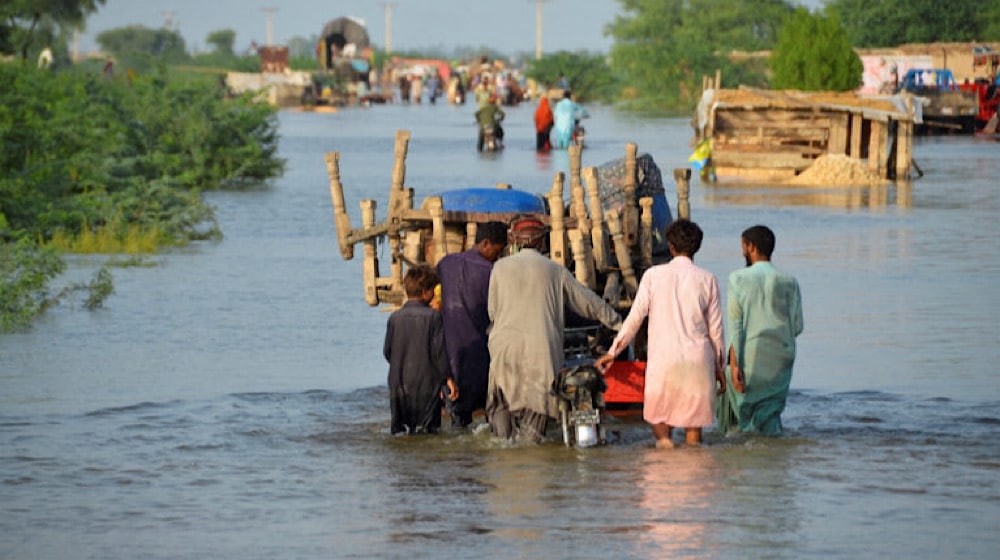
The Pakistan Meteorological Department (PMD) has issued a critical Pakistan flood warning for multiple regions, effective from April 2 to April 4, 2026. This proactive alert, based on the latest hydro-meteorological data, forecasts significant flood risks including high flood levels in River Kabul and anticipated flash flooding across numerous associated tributaries and nullahs. Consequently, comprehensive vigilance and strategic precautionary measures are paramount for national safety and infrastructural integrity.
The Translation: Decoding PMD’s Forecasted Conditions
The PMD’s advisory meticulously details the anticipated hydrological shifts. Specifically, River Kabul at Nowshera is projected to attain high flood levels during this forecast period. Furthermore, its associated tributaries are expected to experience flash flooding, indicating rapid onset and recession of water. Similarly, nullahs within central and northern Balochistan, encompassing the Zhob, Nari, Beji, Shirin, and Bolan river systems, are highly susceptible to flash flooding. This structural vulnerability extends to the Dera Ghazi Khan Division, where hill torrents in Dera Ghazi Khan and Rajanpur districts face comparable risks. In addition, the Kohat Toi, Kurram, and Gomal rivers, alongside their tributaries, are also within the flood trajectory. Concurrently, nullahs across Gilgit-Baltistan and Kashmir are likely to encounter flash flooding within the specified timeframe. This precise meteorological baseline allows for targeted response strategies.
The Socio-Economic Impact: Safeguarding Pakistani Communities
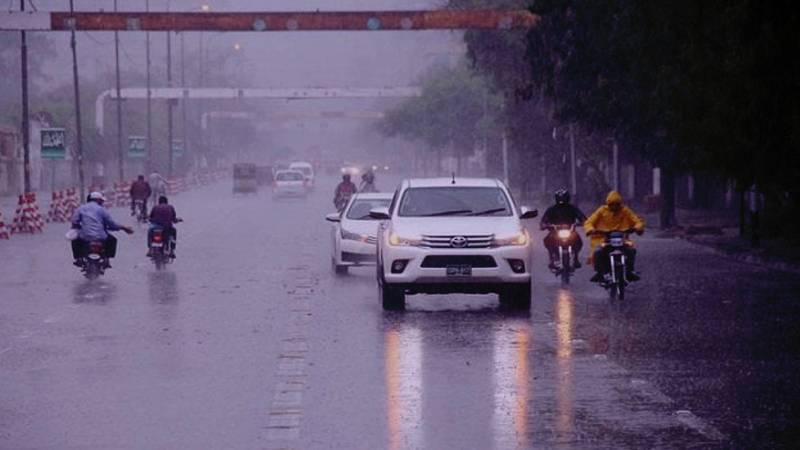
This official Pakistan flood warning directly impacts the daily lives of countless Pakistani citizens, necessitating immediate attention to safety protocols. For families in low-lying rural areas, particularly those near streams and nullahs, the risk of displacement and property damage is heightened. Agricultural communities, a backbone of Pakistan’s economy, could face substantial crop losses, impacting livelihoods and food security. Urban centers, while often better equipped, must contend with disrupted transportation networks and potential damage to vital infrastructure. Students’ educational routines may be interrupted, and professionals could face challenges commuting. Therefore, proactive planning at the household and community levels is not merely advised but becomes a critical component of citizen resilience and economic stability. Local authorities are urged to activate emergency response frameworks, ensuring resource allocation for vulnerable populations.
The “Forward Path”: A Strategic Stabilization Move
This development represents a Stabilization Move. While not signifying a grand leap in national advancement, the PMD’s timely and precise Pakistan flood warning is a crucial element of systemic efficiency. It underscores a commitment to predictive analytics and risk mitigation, which are foundational for sustained national development. By providing early warnings, authorities can calibrate their emergency responses, minimize potential casualties, and safeguard critical infrastructure. This strategic foresight allows for the activation of baseline protective measures, ensuring that Pakistan can maintain its trajectory of progress even when facing environmental challenges. Further investment in advanced meteorological modeling and localized communication systems will enhance this stabilization capacity, transforming reactive responses into proactive governance.








