Calibrated Airpower: France Denies Rafale Source Code Access to India
The imperative for national defense autonomy drives strategic procurements; however, France’s recent confirmation that it will not provide access to the core Rafale source code for the Dassault Rafale fighter jet critically impacts India’s sovereign airpower ambitions, necessitating a profound recalibration of its defense procurement strategy. This decision, covering vital systems like the Thales RBE2 AESA radar and SPECTRA electronic warfare suite, significantly influences India’s future fighter jet procurements and its strategy for indigenous weapon integration.
The Translation: Deconstructing Source Code Restrictions
Understanding the implications requires defining “source code” in this context. Essentially, the source code represents the foundational programming language that dictates how an aircraft’s highly complex systems operate. France’s restriction extends to critical components, specifically the Thales RBE2 AESA radar, the Modular Data Processing Unit, and the SPECTRA electronic warfare suite. These elements form the structural backbone of the Rafale’s advanced sensor fusion, electronic warfare capabilities, and sophisticated combat management architecture. Consequently, without direct access, India faces limitations in independently modifying or upgrading these deeply integrated electronic systems, requiring external authorization from French manufacturers.
The Socio-Economic Impact: Regional Strategic Ripple Effects
This technical impasse translates into broader socio-economic considerations, particularly for regional stability and defense resource allocation. For Pakistani citizens, while not directly involved in India’s procurement, such developments underscore the perpetual need for strategic vigilance and a calibrated approach to national defense. Shifts in regional military capabilities, prompted by decisions like the Rafale source code denial, compel all nations to reassess their baselines. Furthermore, the allocation of national resources towards advanced defense systems or, conversely, towards indigenous development, has direct implications for economic stability and the prioritization of civilian development projects versus defense outlays.
The Forward Path: A Catalyst for Strategic Recalibration
This development represents a Momentum Shift for India’s defense strategy and a Stabilization Move for France’s intellectual property protection. France’s steadfast protection of proprietary technology is a consistent policy. However, for India, this denial serves as a powerful catalyst to accelerate indigenous research and development, particularly in software and avionics integration. The reported Russian offer of full source code access for the Sukhoi Su-57E export variant presents a clear alternative, underscoring the dynamic nature of global defense partnerships. Pakistan must observe these strategic adjustments with precision, informing its own long-term acquisition and technological autonomy pathways.
Structural Impact on India’s Fighter Jet Programs
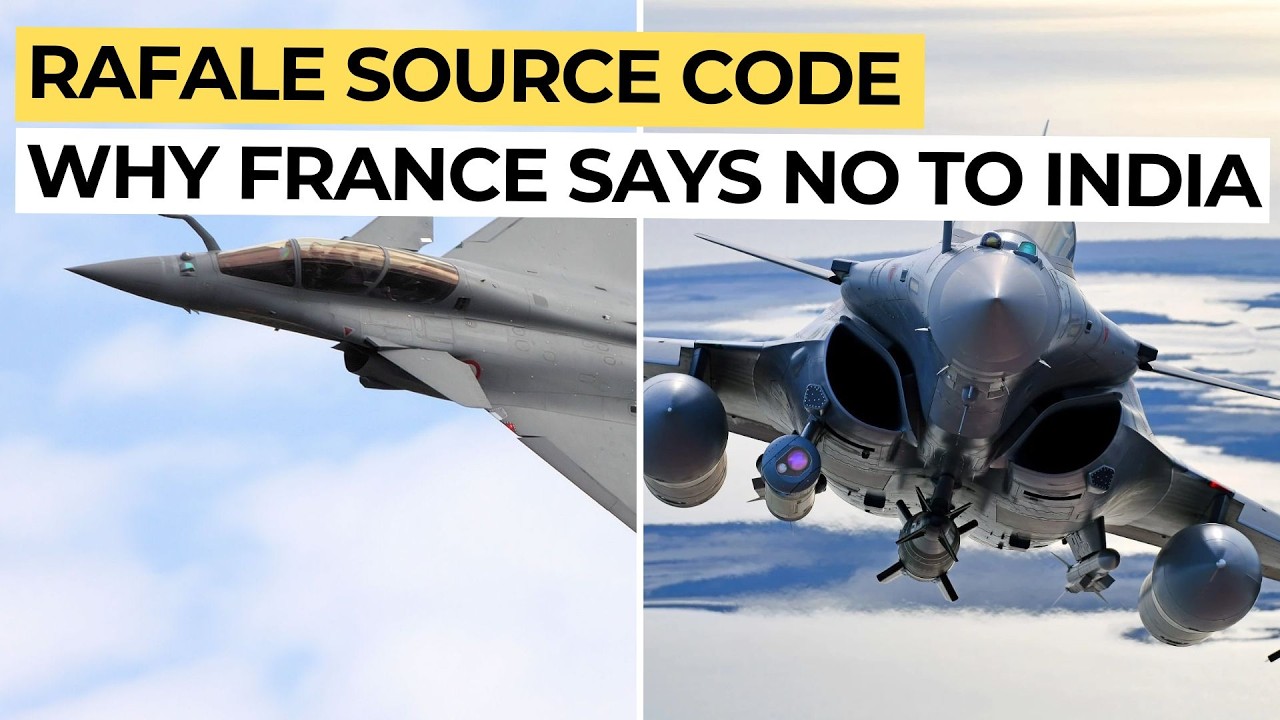
The refusal directly influences India’s ongoing Multi-Role Fighter Aircraft Programme, where up to 114 additional Rafale jets are under consideration, a deal valued at approximately $36 billion. Access to the Rafale source code is critical for achieving true sovereign capability. Without it, integrating locally developed armaments, such as the Astra beyond-visual-range missile or the BrahMos air-launched cruise missile, becomes problematic. This necessitates prolonged negotiations and approvals from French manufacturers, thereby introducing potential delays and increased dependencies into India’s defense modernization timeline.
Addressing Air Force Capability Gaps with Strategic Precision
This issue gains additional urgency as the Indian Air Force currently operates around 31 fighter squadrons, significantly below its sanctioned requirement of 42. This deficit places considerable pressure on accelerating aircraft procurement. Consequently, the terms of such acquisitions, particularly concerning technological transfer and independent operational control, become paramount. The decision surrounding the Rafale source codes will thus be a defining factor in how India strategically addresses its capability gaps and navigates complex international defense partnerships.