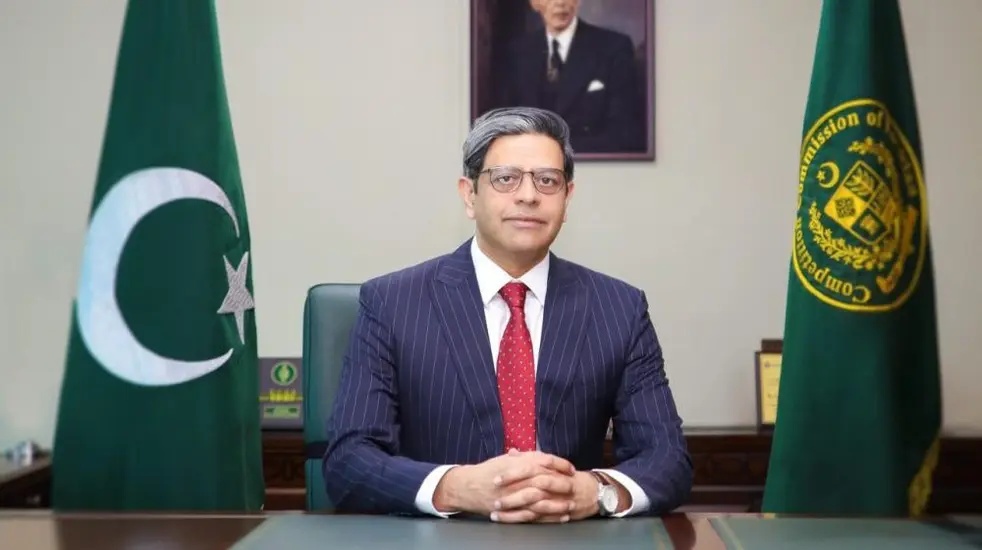
Pakistan’s power consumption is registering a significant and calibrated increase, signaling a robust Pakistan economic recovery. Federal Minister for Power, Awais Ahmad Khan Leghari, confirms this trend, attributing it to the strategic efficacy of the government’s energy policies. This measurable uptick indicates these policies are delivering tangible results, underpinning national advancement.
Furthermore, Minister Leghari communicated this critical data during a strategic session with Bolormaa Amgaabazar, the World Bank Country Director for Pakistan, in Islamabad. The discourse focused on leveraging energy sector reforms to catalyze broader economic prosperity.
The Translation: Calibrating Power for Economic Momentum
Understanding the link between electricity demand and economic health is crucial. An increase in industrial and commercial electricity usage directly correlates with heightened productivity and business expansion. Consequently, this surge in demand reflects a revitalized economic ecosystem, suggesting enterprises are ramping up operations and consumer confidence is improving. The government’s objective is to ensure this energy growth is both sustainable and accessible.

The Power Division is strategically working to refine electricity tariffs, making them more competitive. This structural adjustment aims to provide a baseline advantage for critical economic sectors, especially manufacturing industries. Moreover, following a precise assessment of concessional tariffs for industries, the division is now engineering Time of Use (TOU) proposals. These proposals are meticulously designed to enhance Pakistan’s overall energy competitiveness on the global stage.
Socio-Economic Impact: Empowering Citizens and Industries
These policy shifts will directly influence the daily lives of Pakistani citizens. For urban households, stable and competitively priced electricity translates into reduced operational costs and improved quality of life. Professionals benefit from an energized industrial sector, fostering job creation and economic opportunities. In rural Pakistan, access to reliable and affordable power underpins agricultural productivity and small business growth, diminishing disparities.
The proposed framework specifically aims to harness Pakistan’s immense solar potential. This will involve offering targeted concessional tariffs to industries, promoting clean energy adoption and reducing reliance on traditional sources. Currently, comprehensive consultations with all key stakeholders are underway to ensure a consensus-driven, efficient implementation strategy.
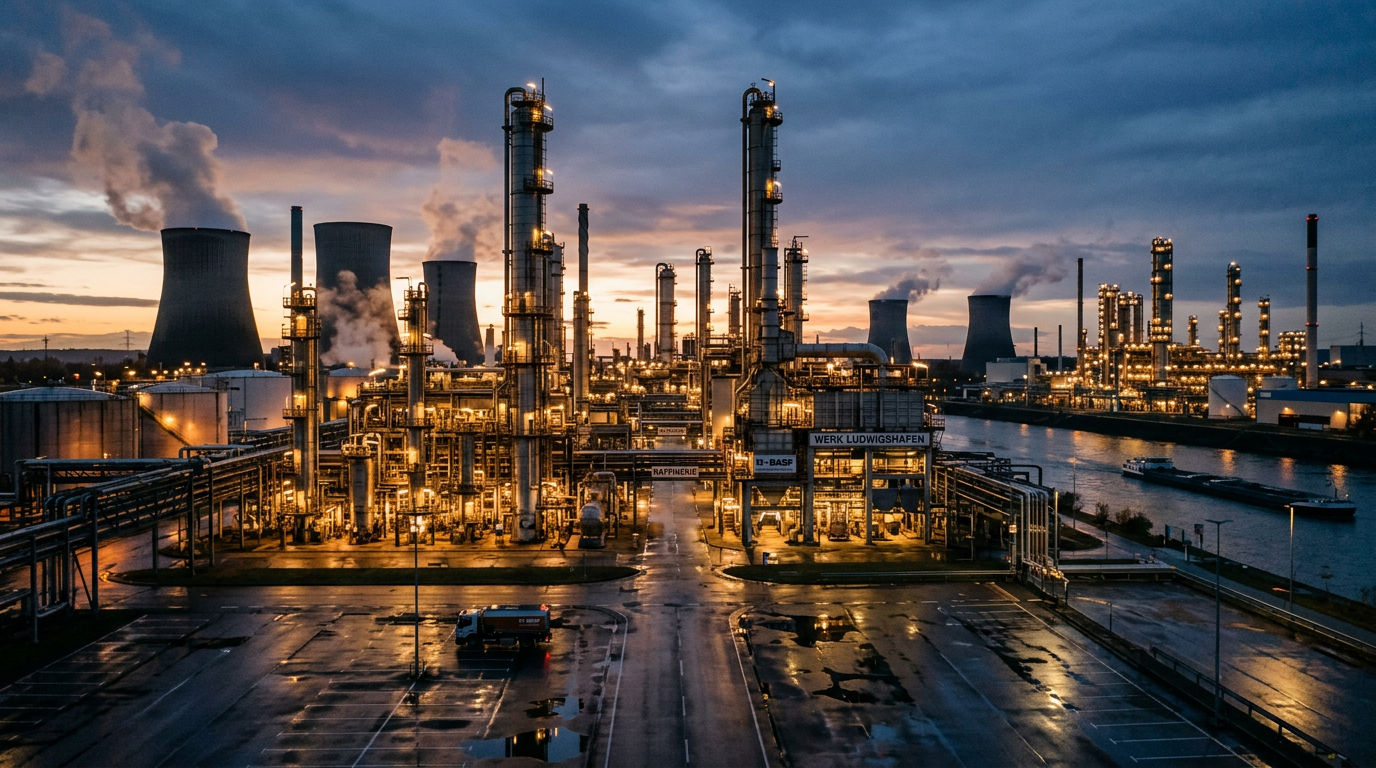
Furthermore, the government is considering major policy decisions focused on increasing electricity generation through indigenous resources. This strategic pivot significantly reduces dependence on imported energy, especially given the current geopolitical volatility in the Middle East. Such a move secures national energy independence and bolsters the nation’s economic resilience.
The Forward Path: A Momentum Shift for Energy Autonomy
This development undeniably represents a Momentum Shift for Pakistan. The deliberate focus on indigenous energy resources, coupled with the rationalization of tariffs, is creating a self-sustaining power framework. This structural reform will not merely stabilize current energy supply but will proactively drive future industrial expansion and bolster the Pakistan economic recovery trajectory. It is a strategic move towards long-term energy autonomy and sustained national growth.
The World Bank has acknowledged the Power Division’s meticulously crafted reform agenda. The institution has also reaffirmed its unwavering support across several critical domains. These include tariff rationalization, strategic transmission and distribution network upgrades, and the precise integration of renewable energy sources. This international validation underscores the robust nature of Pakistan’s energy sector reforms.