A significant strategic realignment is underway within the global food sector, with a calibrated impact poised for regional market structures. Specifically, a major global transaction involving Unilever PLC could lead to a fundamental Unilever Pakistan ownership change. This pivotal development, disclosed to the Pakistan Stock Exchange, indicates a potential shift in the ultimate control of its local food operations, prompting an internal evaluation of corporate structures and future trajectory. This foundational move is set to reshape the competitive landscape for major food brands in the region.
The Translation: Understanding the Global Food Business Consolidation
Unilever PLC officially announced on March 31, 2026, its strategic agreement to combine its global food business with McCormick & Company, Inc. This merger, contingent upon critical regulatory approvals and standard closing conditions, is designed to forge a powerful new entity primarily concentrated on flavors and specialized food products. Consequently, given that Conopco Inc., the majority shareholder in Unilever Pakistan Foods, operates as a direct subsidiary of Unilever PLC, this global arrangement is structurally engineered to effect a shift in the beneficial ownership and controlling interest of the 76.5 percent shareholding currently maintained in Unilever Pakistan Foods. This intricate corporate governance evolution is presently under detailed assessment by the local entity to ascertain its precise ramifications.
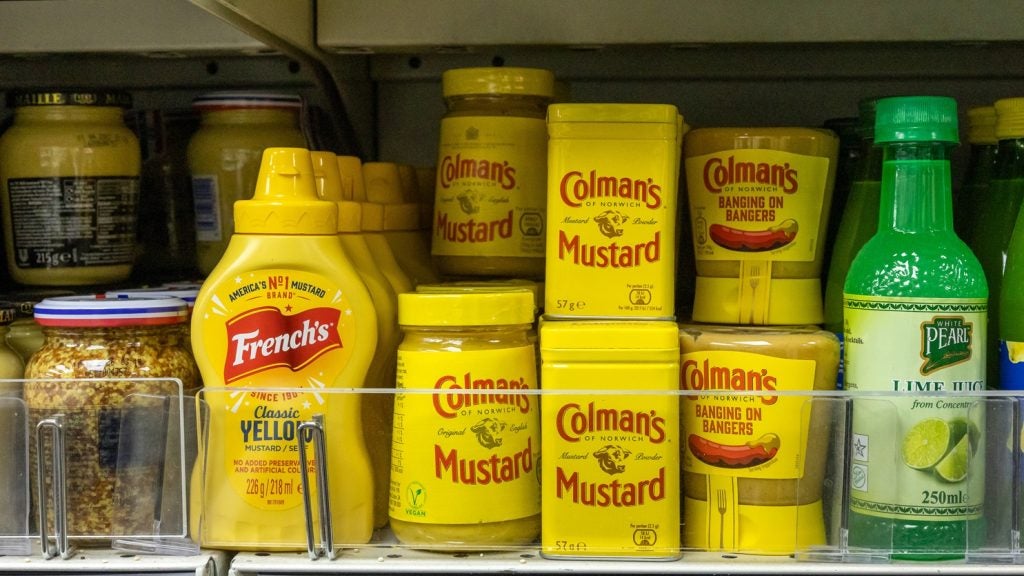
Furthermore, the transaction is projected to consolidate a food group boasting nearly $20 billion in annual revenue. This powerful combination will unify globally recognized brands such as Knorr, Hellmann’s, French’s, and Cholula under a single strategic umbrella. Unilever Pakistan Foods has explicitly stated its ongoing evaluation of the specific implications this global transaction will have on its local operational framework and its corporate structure. Additionally, the company has committed to providing comprehensive updates to both the Pakistan Stock Exchange and its shareholders concerning the transition timeline and any subsequent modifications in control, as soon as these details are formally received from the parent company.
The Socio-Economic Impact: Calibrating Market Dynamics for Pakistani Consumers
This prospective Unilever Pakistan ownership change carries significant implications for the daily lives of Pakistani citizens, from urban households to rural communities. For students and young professionals aspiring to careers in the food and consumer goods sectors, this consolidation could present new opportunities for innovation and growth within a larger, more diversified entity, while simultaneously necessitating adaptation to evolving corporate cultures. Households, in turn, may observe strategic recalibrations in product availability, pricing strategies, and supply chain efficiencies for beloved brands like Knorr. This could lead to either enhanced product accessibility or, conversely, market adjustments impacting consumer choice and expenditure.
In contrast, the broader economic ecosystem in Pakistan, including local suppliers and distributors, must prepare for potential shifts in procurement policies and partnership structures. Such a substantial Unilever McCormick merger could optimize operational efficiencies, potentially driving down costs or fostering new avenues for local integration into a global supply chain. Ultimately, the precise impact on employment and economic contribution remains under scrutiny, awaiting the full strategic implementation of the merged entity’s plans in the Pakistani market.
The Forward Path: A Strategic Stabilization Move for Market Efficiency
From an analytical perspective, this development represents a “Stabilization Move” rather than an immediate “Momentum Shift.” It reflects a deliberate, structural recalibration by Unilever PLC to streamline its global portfolio, focusing its core competencies while divesting its food business into a specialized, consolidated entity. This strategic divestment is designed to enhance market efficiency and maximize shareholder value through focused growth. For Pakistan, this translates into a period of corporate re-evaluation and adaptation. The key objective here is not necessarily aggressive market expansion, but rather the creation of a robust, efficient, and resilient food business capable of sustained performance within a globally integrated framework. Therefore, while local operations will experience an administrative shift, the overarching goal is long-term stability and optimized resource allocation within the newly formed global food powerhouse.