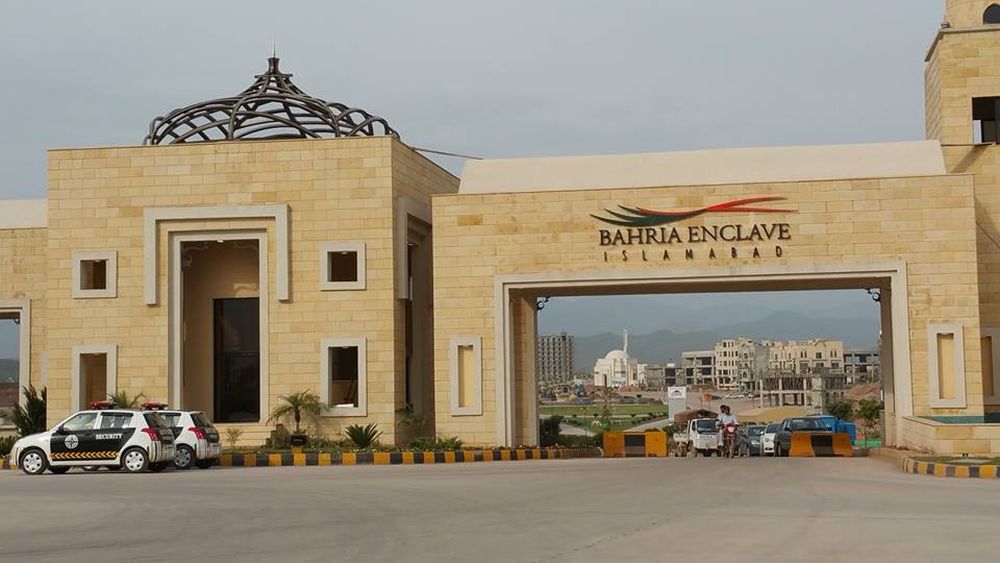
The Capital Development Authority (CDA) has initiated a critical regulatory action, identifying significant CDA Bahria Enclave discrepancies within the approved layout plan of Bahria Enclave-I Housing Scheme in Zone-IV, Islamabad. This precise intervention targets inconsistencies, particularly concerning mandatory public amenities and green spaces, underscoring the authority’s commitment to calibrated urban development.
CDA Bahria Enclave Discrepancies: Unpacking Structural Flaws
M/s Bahria Town (Pvt.) Ltd. sponsored this housing project, initially approved on December 29, 2020. It spans 12,543.11 kanals, designed to host 8,828 residential plots. Nevertheless, a meticulous audit by the CDA revealed severe inconsistencies. Specifically, two distinct Layout Plans (LOPs) for the scheme exist within the Regional Planning Directorate, each presenting noticeable variations. This dual documentation has triggered considerable regulatory concern, predominantly regarding the inaccurate calculation of critical public amenities.
The Translation: What This Means for Our Digital Frontier
Essentially, “dual layout plans” signify two differing blueprints for the same housing project. This creates a critical structural integrity issue for urban planning. Consequently, the actual allocation of essential public spaces—such as parks and playgrounds—deviates from the officially sanctioned design. This is not merely a bureaucratic oversight; rather, it represents a foundational challenge to planned infrastructure, directly impacting the ecological and recreational provisions intended for residents.
Quantifying the Deficit: Green Spaces Under Scrutiny
A recent assessment by the authority precisely identified a shortfall exceeding 200 kanals in approved parks and designated green areas. This deficiency immediately raises significant questions regarding environmental compliance and the long-term ecological impact on future residents. The CDA has, therefore, mandated M/s Bahria Town to furnish comprehensive clarification regarding these CDA Bahria Enclave discrepancies.
The Socio-Economic Impact: Daily Life in a Calibrated Urban Fabric
This development directly influences the daily life of Pakistani citizens, particularly those residing or planning to reside in Bahria Enclave-I. A reduction in designated green spaces directly translates to fewer recreational opportunities for families, diminished public health benefits from natural environments, and potentially higher urban heat island effects. For professionals and students, access to quality green spaces is vital for well-being and community interaction, impacting the overall livability and appeal of urban and suburban households in Islamabad.
Strategic Adherence: The Path to Resolution
A critical meeting has been calibrated for April 6, 2026, at 9:00 AM. During this session, representatives from Bahria Town, including their consultant town planner, are expressly required to appear before CDA officials. They must present all mandated documentation. The CDA notice unambiguously states that any unresolved CDA Bahria Enclave discrepancies may incur serious legal and regulatory consequences. This could structurally lead to project delays or intensify scrutiny on the ongoing development phases of the housing scheme. Furthermore, key officials involved in the original planning process, such as Abdul Haq Brohi, former Director Regional Planning at CDA, have also been summoned for clarification.
The “Forward Path”: Momentum Shift or Stabilization Move?
This intervention represents a decisive Stabilization Move. While not a dramatic “momentum shift” in new development, it signifies a critical re-establishment of regulatory baseline integrity. The CDA’s proactive stance in addressing these significant layout plan discrepancies is a foundational step towards instilling greater confidence in urban planning and execution. It sets a robust precedent for stringent regulatory enforcement, ensuring that future projects adhere meticulously to approved standards, thus protecting both public interest and environmental sustainability.