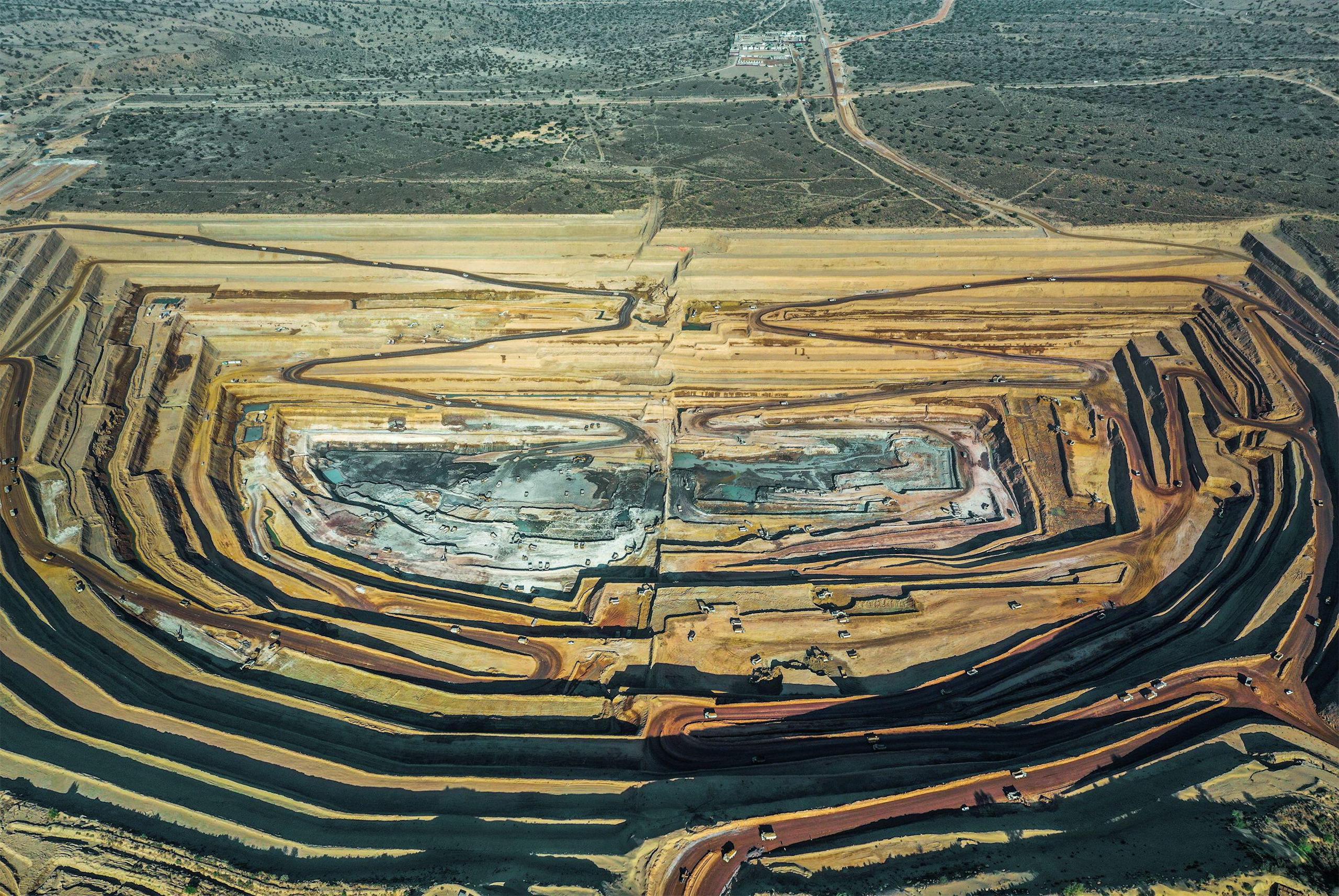
Optimizing Thar Coal Mining: A Strategic Shift to Grid Power
Pakistan’s Power Division has initiated a structural reform in Thar coal mining operations, projecting annual foreign exchange savings of up to $30 million. This strategic transition replaces diesel-based operations with grid-supplied electricity, fundamentally recalibrating energy costs and reducing reliance on imported fuels. The move aims to deliver substantial savings and enhance operational efficiency within the critical Thar coal grid power sector.
The Translation: Calibrating Energy Consumption for National Advantage
Historically, Thar’s extensive coal mining relied heavily on imported diesel, consuming between 200,000 and 250,000 liters daily. Approximately 35,000 liters alone powered dewatering activities. These substantial operational costs were ultimately transferred to consumers via elevated electricity tariffs. The current initiative strategically intervenes by replacing this expensive diesel consumption with a more efficient grid power system.
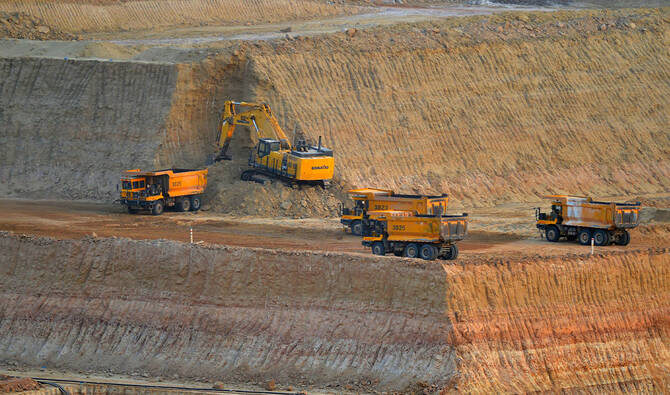
The financial calibration is significant: daily diesel savings are projected at Rs. 25 million. Furthermore, the cost of coal itself is anticipated to decrease by approximately $0.7 per ton. Crucially, the power cost for mining operations will fall by over 60%, from 33 US cents per kWh to 13 US cents per kWh. This precision-driven adjustment mandates an investment of Rs. 5.3 billion for grid stations and transmission infrastructure, connecting to HESCO’s 132 kV Islamkot grid station to support a 60 MW off-take for mining.
The Socio-Economic Impact: Direct Benefits for Pakistani Citizens
This structural reform directly impacts the daily lives of Pakistani citizens across urban and rural landscapes. Primarily, the reduction in operational costs for coal mining is expected to translate into lower electricity tariffs. Consequently, households and businesses will experience a tangible decrease in their energy expenses, fostering economic stability. Students and professionals will benefit from a more reliable and cost-effective energy supply, which is a baseline requirement for national development.

Moreover, the reduced reliance on imported fuel strengthens Pakistan’s energy security, mitigating external economic vulnerabilities. The initiative also forecasts an annual reduction of nearly 80,000 tons in carbon emissions. This environmental benefit signifies a healthier living environment for all Pakistanis, addressing a critical aspect of sustainable national advancement. The strategic shift to Thar coal grid power establishes a robust foundation for future energy independence and environmental stewardship.
The Forward Path: A Momentum Shift Towards Sustainable Efficiency
This development undeniably represents a Momentum Shift for Pakistan. It signifies a proactive and calculated move away from inefficient, costly, and environmentally detrimental energy practices. The substantial foreign exchange savings and significant reduction in carbon emissions serve as powerful indicators of systemic progress. Looking ahead, the government’s future plans to transition diesel-powered mining vehicles to electric models will further amplify this efficiency and sustainability trajectory. This initiative is a clear catalyst for a greener, more economically stable energy future for Pakistan.