

The federal government has strategically recalibrated Pakistan’s solar net metering policy, implementing a revised billing system for consumers generating electricity via solar panels. This pivotal adjustment removes all previous relief on excess electricity produced beyond approved limits. Consequently, solar panel owners will no longer receive credit or payment for surplus units exported to the national grid. This structural change aims to optimize energy distribution and discourage over-generation, marking a significant shift in domestic energy frameworks.
The Translation: Deconstructing the New Solar Billing System
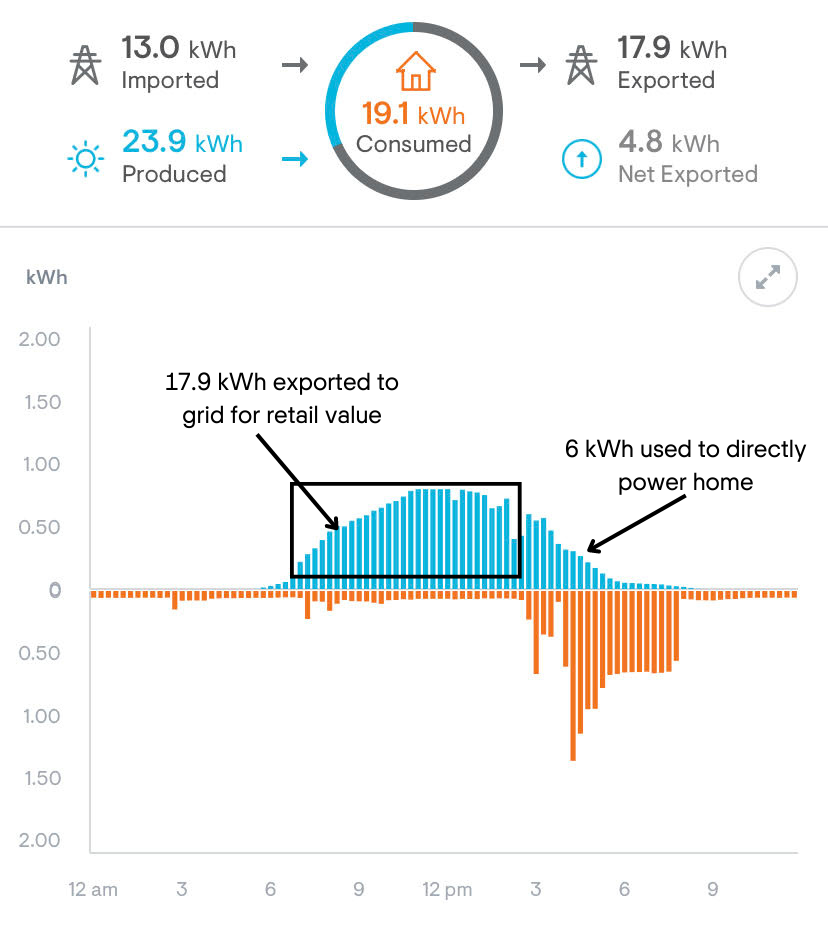
Pakistan’s federal government has formally amended the billing framework for individuals and entities utilizing solar energy. Previously, individuals exporting excess power units to the national grid would receive financial credits or discounts. However, the updated regulations introduce a stringent Export Maximum Demand Indicator (MDI) check for all solar connections. This calibrated measure means any electricity generated beyond the consumer’s licensed capacity and supplied back to the grid will now be designated as “zero units.” Consequently, there will be no monetary compensation or account credit for this surplus.
Furthermore, distribution companies have received explicit instructions to disallow any form of compensation for these extra units. The primary objective is to align generation with approved limits, ensuring a more controlled and sustainable integration of solar power into the national grid infrastructure. This precision in policy aims to balance individual generation capabilities with systemic energy requirements.
Key Amendments to the Solar Net Metering Policy
- Export MDI Check: A new technical check is applied to all solar connections to monitor exported electricity.
- No Credit for Surplus: Electricity produced beyond approved generation licenses will not accrue credits.
- “Zero Units” Designation: All excess exported electricity will be considered uncompensated.
- Focus Keyphrase: This amendment directly impacts the strategic application of Pakistan’s solar net metering policy.

The Socio-Economic Impact: Adjusting to New Energy Realities
This revised policy will significantly alter the daily energy management strategies for Pakistani citizens. For households and small businesses that invested in solar panels, anticipating returns from surplus energy, this shift necessitates a re-evaluation of their investment models. Professionals and students relying on predictable energy costs might now face adjusted electricity bills if their solar systems consistently over-generate. Urban and rural households alike must now calibrate their energy consumption patterns more closely with their approved generation capacities.
In contrast, this move might incentivize a more efficient use of generated power within the household or a strategic investment in battery storage solutions. Previously, the incentive was to produce as much as possible; now, the focus shifts to optimized self-consumption. Consequently, while direct financial benefits from selling surplus diminish, the drive for energy independence through self-sufficiency could strengthen.

The “Forward Path”: A Stabilization Move for the Grid
From an architectural standpoint, this development represents a Stabilization Move rather than a direct Momentum Shift towards rapid progress. The government’s precise recalibration of the solar net metering policy seeks to address potential imbalances in the national grid caused by uncontrolled surplus energy injection. While it may initially dampen enthusiasm for large-scale private solar investments purely for export, it strategically strengthens grid stability. Furthermore, this policy sets a baseline for more disciplined energy generation and consumption practices.
In the long term, this could catalyze innovation in energy storage solutions and smarter home energy management systems. It compels consumers to view solar not just as an income source, but as a critical component of personal energy resilience and optimized consumption. Therefore, it is a structural adjustment crucial for the systemic efficiency of Pakistan’s evolving energy landscape.









