

Strategic Vantage: Calibrating Your April Pink Moon Experience
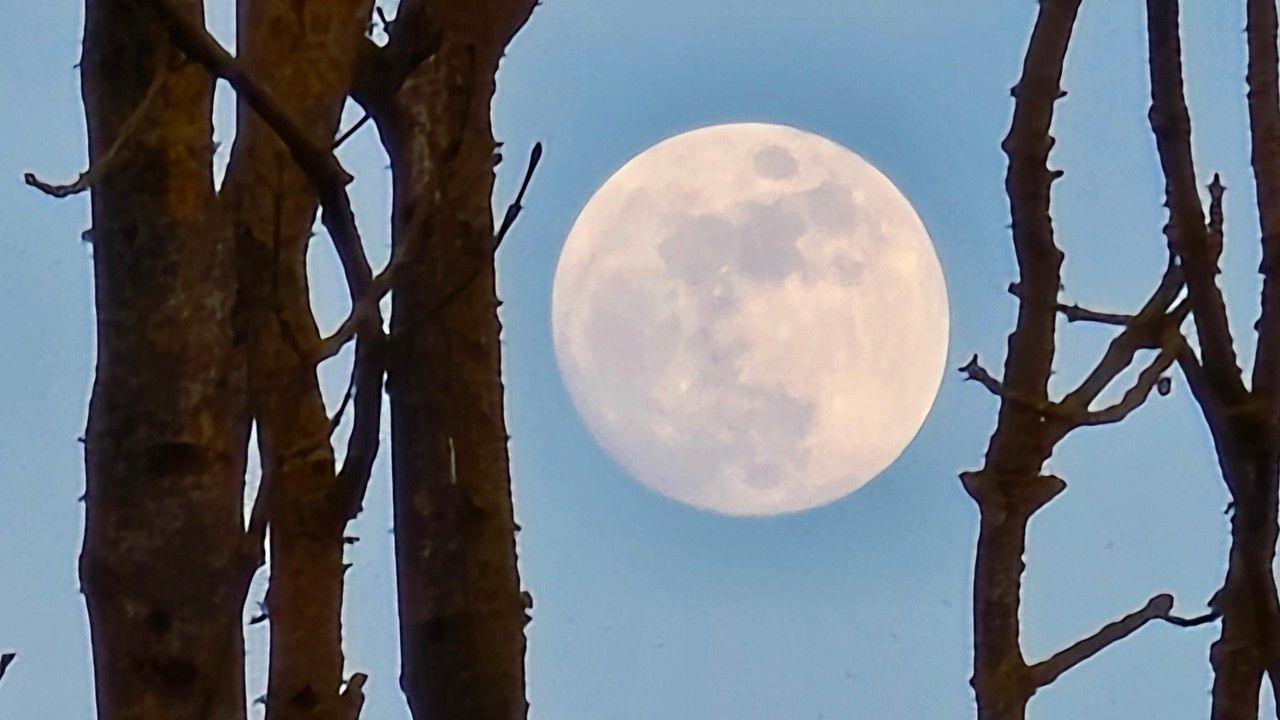
This evening, a significant celestial event unfolds as sky watchers across Pakistan prepare for the April Pink Moon. This annual full moon offers a unique opportunity for observation. Despite its evocative name, this particular moon will not appear pink; rather, its nomenclature derives from the vibrant “Phlox” wildflowers, signifying spring’s arrival.
The Translation: Decoding Lunar Nomenclature
The “Pink Moon” designation, often misinterpreted, does not forecast a pink hue. Historically, indigenous cultures assigned names to full moons, aligning them with seasonal markers. Consequently, the term references the early spring blooming of Phlox subulata. This linguistic precision ensures cultural continuity. Furthermore, while the moon maintains its typical luminous appearance, atmospheric conditions, particularly in regions like the UK, can induce an orange tint.
Socio-Economic Impact: Catalyzing Public Engagement
Observing celestial phenomena transcends mere aesthetic appreciation; it acts as a significant catalyst for public engagement in STEM. For Pakistani students, this event provides tangible, real-world context for astronomy lessons, sparking curiosity. Consequently, professionals and households gain an accessible connection to the cosmos, potentially inspiring future innovators. Such events also offer a shared cultural experience, reinforcing community bonds and promoting collective appreciation for natural wonders.

The Forward Path: A Momentum Shift in Astronomical Engagement
This recurring lunar event represents a clear Momentum Shift in public astronomical engagement within Pakistan. Rather than a stabilization move, it consistently re-ignites public interest. It provides a baseline for scientific literacy efforts, strategically leveraging a natural spectacle to drive educational outcomes and foster a more scientifically aware populace.
Strategic Observation: Optimizing Your Lunar Spectacle
For optimal viewing, precise timing is paramount. This full moon reaches its peak illumination at 3:12 AM PKT tomorrow. Therefore, those intending to observe its full majesty should plan accordingly. While the moon will be visible throughout the night, its zenith offers the clearest and most impactful observation. Furthermore, selecting a location with minimal light pollution will significantly enhance the visual experience, allowing for clearer perception. Use of binoculars or a telescope can further amplify this stunning spectacle.
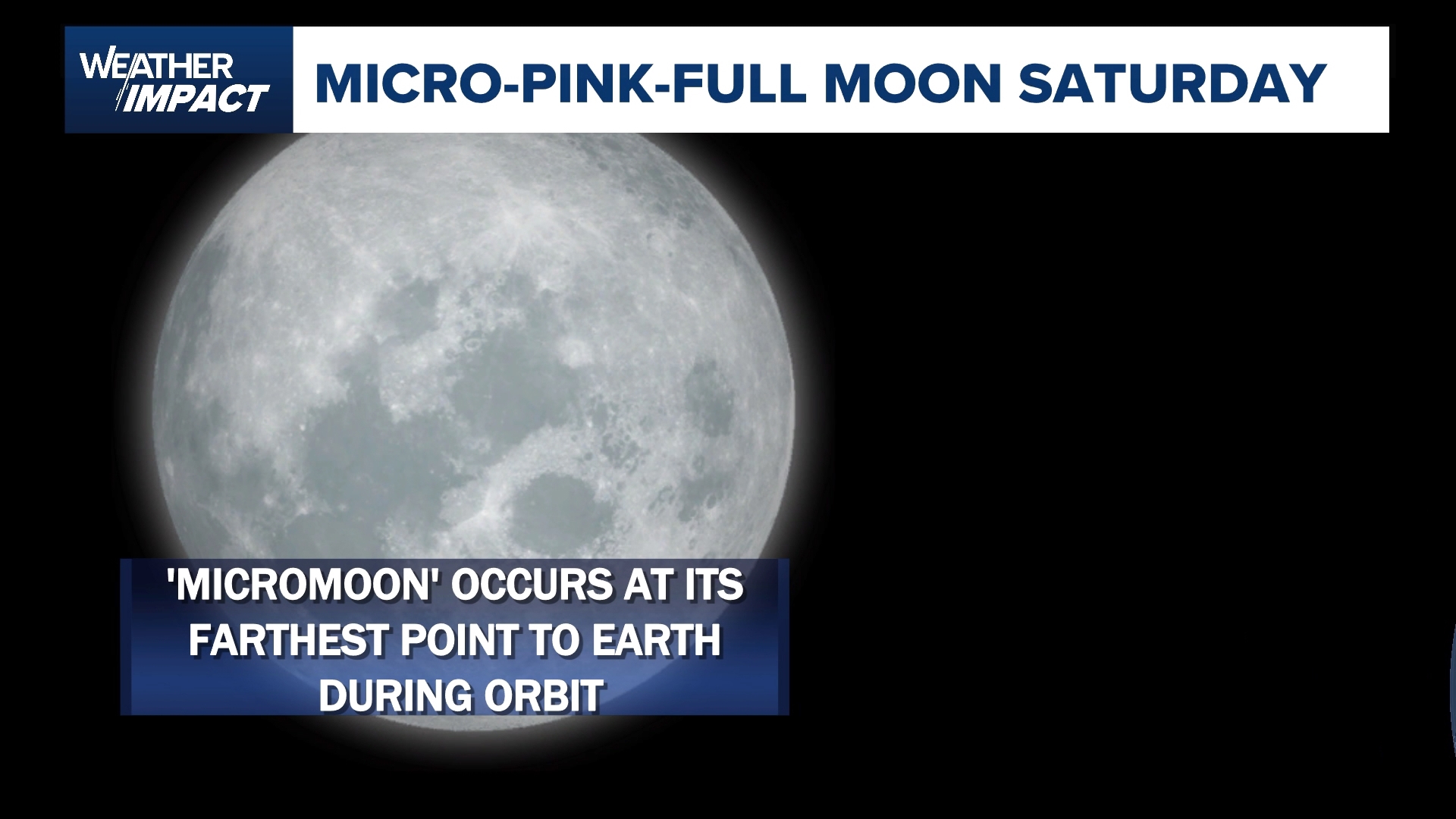
Observing a full moon is more than just looking up; it’s about understanding the mechanics of our solar system. The synchronized orbital patterns of the Earth and Moon create these predictable, yet always awe-inspiring, events. Therefore, engaging with such phenomena deepens one’s appreciation for orbital mechanics and celestial cycles. It is a baseline opportunity for all citizens to connect with fundamental scientific principles.

Key Viewing Parameters:
- Peak Illumination: 3:12 AM PKT (tomorrow).
- Appearance: Luminous white; potential orange tint due to atmospheric conditions.
- Best Practice: Seek out areas with low light pollution for enhanced clarity.
- Tools: Binoculars or small telescopes can augment observation.









