Pakistan’s urban centers demand precise regulatory frameworks to ensure public safety and operational efficiency. A recent incident in Karachi, where an underage driver fled during a traffic police operation targeting illegal number plates, critically underscores ongoing challenges in underage driving crackdown efforts. This event signals an imperative for structural adjustments in our traffic enforcement protocols, aiming to safeguard citizens and uphold legal compliance across the nation. Ultimately, these measures are essential for national advancement.
Deconstructing the Karachi Underage Driving Incident
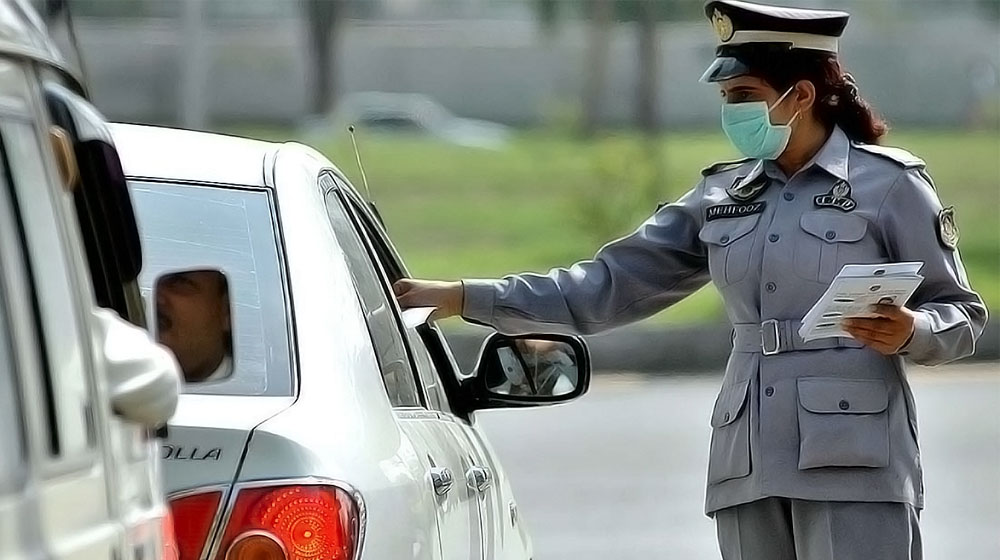
The incident unfolded in Karachi’s Teen Talwar area, Clifton, where traffic police were conducting a calibrated operation. This campaign specifically targeted vehicles displaying illegal or decorative number plates. Consequently, law enforcement officials halted a vehicle being operated by a minor driver. Initially, the driver complied, stopping the car and stepping out. However, when officers questioned him, his reaction escalated to anger.
Subsequently, the minor re-entered the vehicle and decisively drove away from the scene, evading capture directly in front of the police presence. Furthermore, during his escape, the underage driver demonstrated reckless behavior. He nearly struck nearby pedestrians and proceeded to break a traffic signal, accelerating rapidly from the area. The Deputy Inspector General was present, actively monitoring the campaign against illegal number plates, which highlights the gravity of the situation.

Calibrating Public Safety: Socio-Economic Impact on Pakistani Households
This incident directly impacts the daily lives of Pakistani citizens, particularly students, professionals, and urban households. Firstly, the presence of underage drivers, often operating without proper licensing or understanding of traffic laws, significantly elevates the risk of accidents. This instability creates a baseline of anxiety for pedestrians and other motorists. Secondly, the successful evasion of an underage driver erodes public trust in law enforcement’s capacity to maintain order, a critical element for societal progress.
Moreover, such events can inadvertently normalize reckless behavior among younger generations. This normalization poses a long-term threat to road safety culture. Consider the impact on families: parents worry about their children’s commute, and professionals face increased hazards during their daily travel. Consequently, the incident highlights a systemic vulnerability that requires immediate and strategic intervention to protect all demographics.
Strategic Momentum: A Path Towards Enhanced Traffic Discipline
From a “Next Gen Pakistan” perspective, this event represents a crucial “Stabilization Move” that urgently requires a “Momentum Shift.” While the police operation itself was a necessary step towards maintaining traffic discipline, the escape of an underage driver reveals critical gaps in our enforcement strategy. A structural deficiency exists when a minor can defy authority and endanger public safety with impunity.
Therefore, the forward path necessitates a multi-faceted approach. This includes implementing advanced surveillance technologies, such as integrated ANPR (Automatic Number Plate Recognition) systems, to ensure real-time vehicle identification. Furthermore, calibrated public awareness campaigns targeting parents are essential to underscore their accountability. We must strategically reinforce the message that responsible vehicle operation is a cornerstone of national progress and public well-being. This precision-driven strategy will serve as a catalyst for a safer, more compliant road network across Pakistan.