Calibrating Global Alliances: The Specter of a Trump NATO Withdrawal
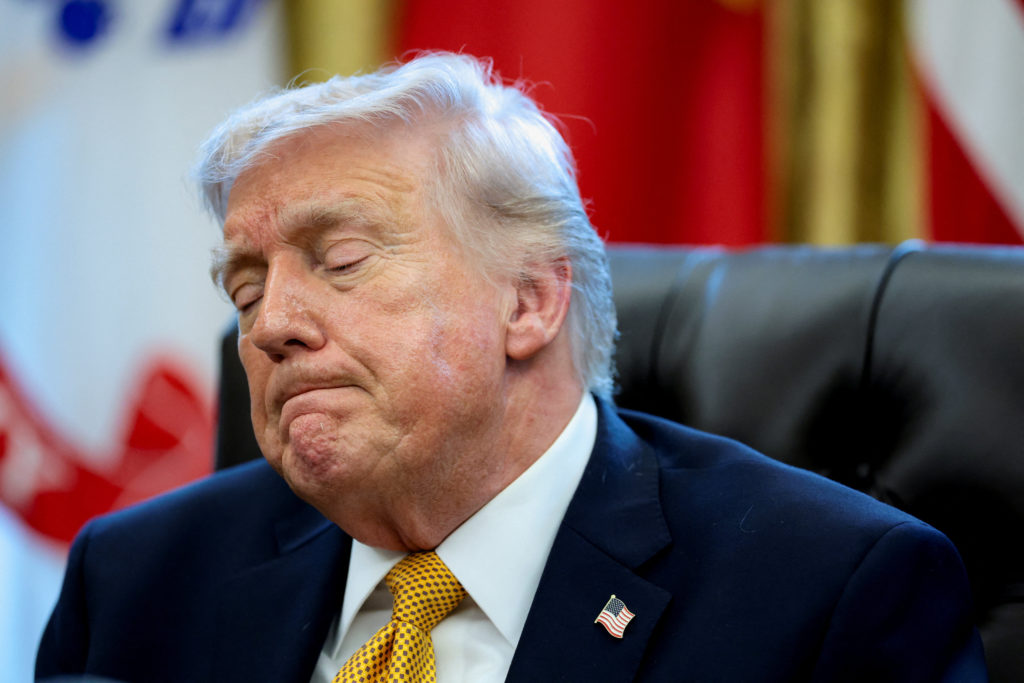
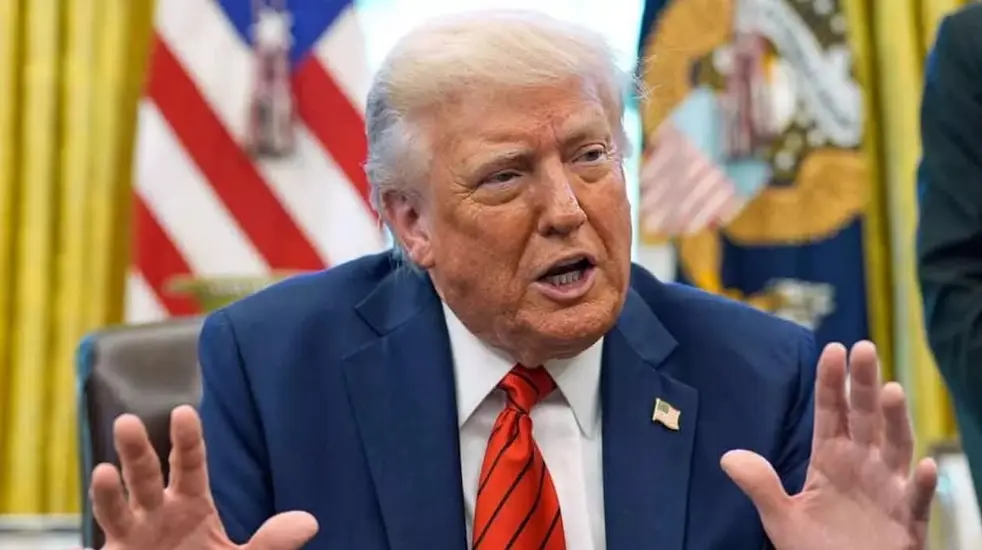
A strategic re-evaluation of international defense architecture is underway as United States President Donald Trump signals a potential Trump NATO withdrawal. This consideration emerges from significant frustration with member nations refusing to support Washington during escalating tensions with Iran. Consequently, this development necessitates a precise analysis of NATO’s operational cohesion and its future structural integrity. Trump’s candid remarks, disclosed in a recent interview, underscore a persistent skepticism regarding the alliance’s calibrated effectiveness and its capacity for decisive action in emergent global crises. This pivotal moment demands an objective assessment to understand its profound implications for international security and diplomatic frameworks.

The Translation: Redefining Collective Security Imperatives
President Trump’s declaration articulates a fundamental challenge to the established protocols of alliance commitment. He asserts that during periods of heightened geopolitical risk, such as the current Iran conflict, diplomatic deliberations should not impede immediate, unified military support. Furthermore, this perspective critically diverges from traditional multilateral frameworks, where consensus-building typically precedes intervention. This situation raises structural questions regarding the baseline expectations within NATO and how member states interpret their collective defense obligations. The allies’ specific refusal to proactively secure the Strait of Hormuz, for instance, demonstrably highlights divergent strategic priorities, critically impacting global shipping schedules and broader economic stability.

The Socio-Economic Impact: Calibrating Domestic Stability
A potential Trump NATO withdrawal or sustained alliance instability carries measurable socio-economic implications for citizens across the globe, particularly in Pakistan. For instance, disruptions in vital maritime trade routes, such as the Strait of Hormuz, directly translate into elevated energy costs and heightened supply chain volatility. Pakistani professionals and households could therefore experience increased prices for essential goods and diminished international trade opportunities. Moreover, a fragmented collective security framework risks destabilizing regional dynamics, potentially diverting essential national resources from critical domestic infrastructure and educational initiatives towards increased security expenditures. Students may encounter uncertainties in international academic collaborations, and rural communities might observe reduced foreign investment, directly impacting agricultural exports and local economies.
The Forward Path: Analyzing Geopolitical Trajectory
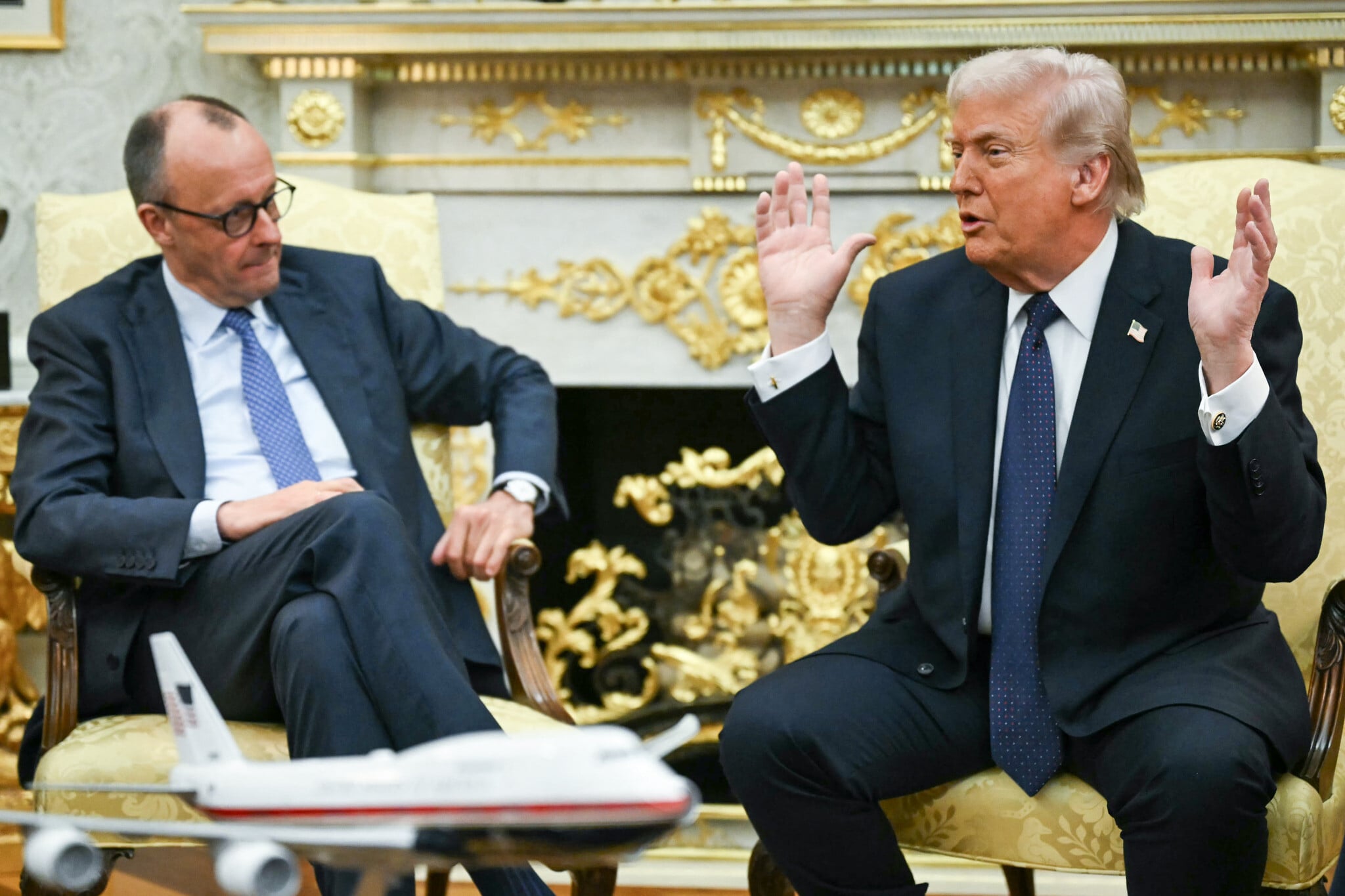
President Trump’s firm stance on NATO’s operational efficacy and the Trump NATO withdrawal threat represents a critical inflection point in international relations. This development appears to signify a “Stabilization Move,” aiming to realign alliance responsibilities with perceived national interests, rather than a “Momentum Shift” towards novel collaborative paradigms. It reflects a strategic imperative to reinforce existing structures by demanding greater burden-sharing and a more calibrated approach to global interventions. To truly instigate a momentum shift, a universally endorsed, cohesive vision for collective action, one that transcends immediate geopolitical flashpoints and prioritizes long-term system efficiency, remains essential.