

Strategic Energy Revisions: Pakistan’s Impending Fuel Price Hike
Pakistan’s government is poised for a strategic fuel price hike on petrol and diesel. This calibrated adjustment aims to partially transfer elevated import costs to consumers. Simultaneously, authorities are compelling provincial administrations to share the significant subsidy burden. This initiative seeks to balance fiscal stability with targeted citizen protection, ensuring a structured approach to energy economics.
The Translation: Decoding Fuel Cost Dynamics
The federal government, led by Finance Minister Muhammad Aurangzeb, convened with provincial chief ministers. Their objective was to develop a precise, targeted fuel-subsidy framework. This framework specifically protects vulnerable segments, including motorcyclists and farmers. Consequently, prices for both petrol and diesel are projected to rise imminently. The actual increase will calibrate to global oil market fluctuations.
Authorities are evaluating the full impact of international price shifts. However, specific relief measures for selected groups remain under detailed discussion. The current price disparity is estimated at approximately Rs. 100 per liter for petrol and over Rs. 200 per liter for diesel, relative to import-adjusted costs. The Petroleum Division and the Oil and Gas Regulatory Authority will finalize updated calculations this week.
Officials are weighing the precise magnitude of these adjustments. They consider passing on the full petrol adjustment and roughly half the diesel gap to consumers. Furthermore, the government has already absorbed significant fuel subsidies, amounting to approximately Rs. 129 billion over the past three weeks. The plan is to cap total support at around Rs. 158 billion, thereby increasing pressure on provinces for further relief contributions.
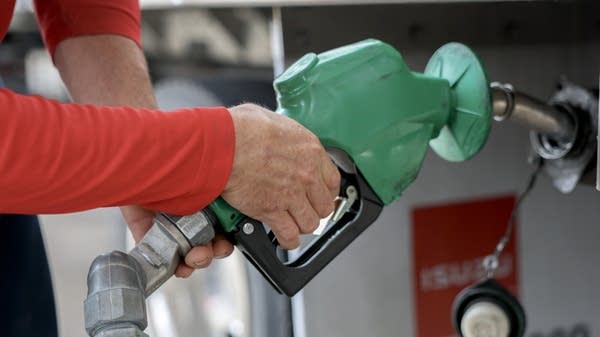
Socio-Economic Impact: Calibrating Daily Life
This fuel price hike directly impacts the daily lives of Pakistani citizens across urban and rural sectors. For students and professionals relying on motorcycles for transport, the provincial agreement to subsidize petrol offers crucial relief. This intervention is a direct response to potential increased commuting costs.
Farmers, particularly in Sindh, will benefit from diesel support through the Hari Card database. Punjab and Khyber Pakhtunkhwa plan similar programs. This mitigates the adverse impact of rising input costs on agricultural productivity. Consequently, these targeted measures aim to stabilize food inflation, which is highly sensitive to diesel price adjustments through freight charges.
Moreover, provincial governments have agreed not to increase fares for Bus Rapid Transit systems. However, officials warn this could create pricing disparities outside major urban centers. This structural decision aims to maintain urban transit affordability, yet demands careful monitoring for equitable access across all regions.
The Forward Path: A Stabilization Move
This development represents a Stabilization Move rather than a Momentum Shift. The government’s actions reflect a strategic effort to mitigate fiscal pressure. The proposed framework for a coordinated targeted subsidy mechanism is a necessary adjustment to systemic inefficiencies.
Officials estimate targeted subsidies could range from Rs. 15 billion to Rs. 18 billion weekly. This figure could potentially escalate to Rs. 30 billion, contingent on global oil trends. The burden could be jointly absorbed through the end of the fiscal year in June. However, inherent uncertainty in international energy prices complicates precision planning. Ultimately, these reforms are critical for long-term economic resilience, limiting inflationary spillovers, and ensuring a more efficient allocation of national resources.








