

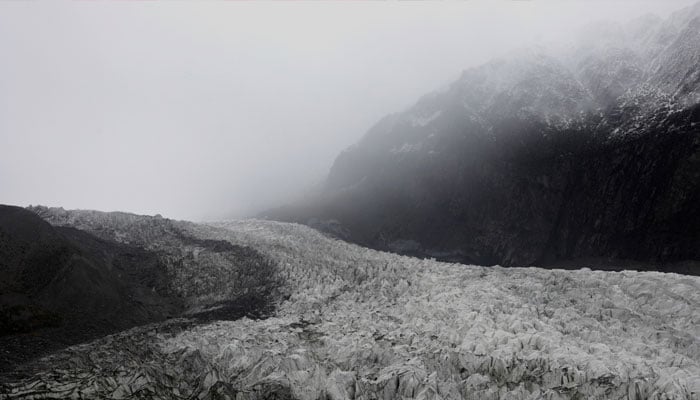
The National Disaster Management Authority (NDMA) has issued a critical GLOF warning Pakistan, forecasting potential glacial lake outburst floods, flash floods, and landslides across Gilgit-Baltistan and Khyber Pakhtunkhwa from April 1 to April 10. This strategic alert targets vulnerable northern regions where above-normal temperatures are accelerating glacial melt. Consequently, immediate preparedness and public caution are paramount to safeguard lives and essential infrastructure against these imminent environmental risks. Authorities have specifically advised local communities to remain alert and government departments to implement precautionary measures.
Understanding Pakistan’s GLOF Warning: A Technical Translation
The NDMA’s GLOF warning Pakistan signifies a heightened risk across specific northern zones, particularly Gilgit-Baltistan and Khyber Pakhtunkhwa. This critical forecast, spanning April 1 to April 10, is based on an expected widespread weather system coinciding with elevated regional temperatures. Essentially, melting glaciers combine with heavy rainfall near glacier termini, creating a calibrated threat for sudden and destructive floods, mudslides, and landslides. This environmental convergence necessitates a precise, pre-emptive response to mitigate potential systemic disruptions and protect communities.
Socio-Economic Impact: Calibrating Daily Life Against Environmental Shifts
This GLOF warning Pakistan directly impacts the daily lives of citizens, especially those in urban and rural communities across Gilgit-Baltistan and Khyber Pakhtunkhwa. Students may face school closures, disrupting educational continuity. Furthermore, professionals reliant on regional transit could experience significant delays, impacting commerce and essential services. Households in vulnerable areas face property risks and potential displacement, underscoring the necessity of robust early warning systems and evacuation protocols. Proactive measures are therefore crucial to minimize socio-economic vulnerabilities and secure community resilience.
The Forward Path: A Stabilization Move for National Advancement
This recent GLOF warning Pakistan represents a stabilization move rather than a momentum shift. While the NDMA’s proactive advisory is commendable, it primarily addresses immediate threat mitigation. A true momentum shift would involve long-term structural investments in climate-resilient infrastructure, advanced glaciological monitoring, and comprehensive public education campaigns. Therefore, this action underscores an essential maintenance phase, reinforcing existing safety frameworks. Further, sustained strategic planning is imperative for calibrated national advancement against evolving climate dynamics and future challenges.
Operational Directives: Strategic Preparedness for Northern Regions
The NDMA has strategically urged federal ministries, provincial governments, district administrations, and municipal authorities to implement rigorous monitoring of vulnerable GLOF sites. This directive ensures a synchronized, multi-tiered response framework. Officials are instructed to confirm the operational status of early warning systems, finalize timely evacuation plans, and maintain active emergency response mechanisms. Furthermore, rescue agencies, including Rescue 1122, civil defense, and fire brigade services, must sustain heightened alert levels, guaranteeing immediate personnel and equipment availability throughout the forecast period.
Ensuring Operational Readiness
- Early warning systems are operational, ensuring timely dissemination of critical data.
- Timely evacuation plans are ready, facilitating swift and safe population relocation.
- Emergency response mechanisms remain active, providing immediate support in crisis scenarios.
Public Safety Protocols: Exercising Calibrated Caution
The NDMA advises the public to implement calibrated caution, specifically by avoiding non-essential travel in high-risk zones. This includes areas proximate to rivers, streams, and glacial regions. Tourists, furthermore, are strongly urged to refrain from trekking near glaciers, maintaining safe distances from these formations, and abstaining from capturing media near glacial sites. Approaching such locations poses significant, identifiable dangers, necessitating strict adherence to these safety protocols.
Guidelines for Travelers and Residents
- Avoid trekking in glacier-prone areas, prioritizing personal safety.
- Stay away from glacier sites, maintaining a secure distance.
- Refrain from taking pictures or videos near glaciers, as proximity can be hazardous.

Climate Trajectories: Analyzing Regional Environmental Shifts
Recent climate trends undeniably underscore a rising trajectory of environmental risks across northern Pakistan. The Gilgit-Baltistan Environmental Protection Agency, for instance, reports an approximate 0.6°C temperature increase between 1987 and 2013 in Gilgit-Baltistan. Consequently, this acceleration has intensified glacier melt, directly contributing to an increased frequency of flash floods. Experts caution that communities downstream of rivers and glacial lakes face severe threats during upcoming summer seasons, driven by persistent glacier melting and escalating extreme weather events. Therefore, a calibrated long-term strategy is paramount for sustainable development.
Impact on Infrastructure and Travel
Notably, recent rainfall and snowfall have precipitated unusually cold weather across parts of Gilgit-Baltistan. The heavy rainfall partially obstructed sections of the Karakoram Highway in Kohistan and Hunza, according to the Gilgit-Baltistan Disaster Management Authority. This disruption halted traffic for several hours, leaving thousands of passengers stranded before authorities successfully restored the route. Therefore, officials advise residents to defer unnecessary travel and exercise heightened caution while driving during the ongoing weather patterns.








