
A calibrated structural adjustment in Pakistan’s educational framework is underway, as the Higher Education Commission (HEC) has authorized all universities and degree-awarding institutions to resume HEC physical classes starting April 1, 2026. This directive, formally issued on March 31, mandates a nationwide restoration of on-campus academic operations, marking a strategic pivot back to conventional learning modalities after a period of temporary adaptations.
The Translation: Calibrating Academic Operations
This pivotal directive from the HEC, dated March 31, provides clear context: all public and private universities are now structurally obligated to reactivate their on-campus academic schedules. Consequently, the temporary measures previously implemented are being phased out. This move aligns with earlier HEC advisories from March 10, which emphasized the implementation of austerity and fuel conservation protocols. Furthermore, the HEC has meticulously circulated this notification to key federal and provincial educational authorities across Punjab, Sindh, Khyber Pakhtunkhwa, Balochistan, Azad Jammu and Kashmir, and Gilgit-Baltistan, ensuring uniform compliance and systemic efficiency.
The Socio-Economic Impact: Enhancing Learning for Future Professionals
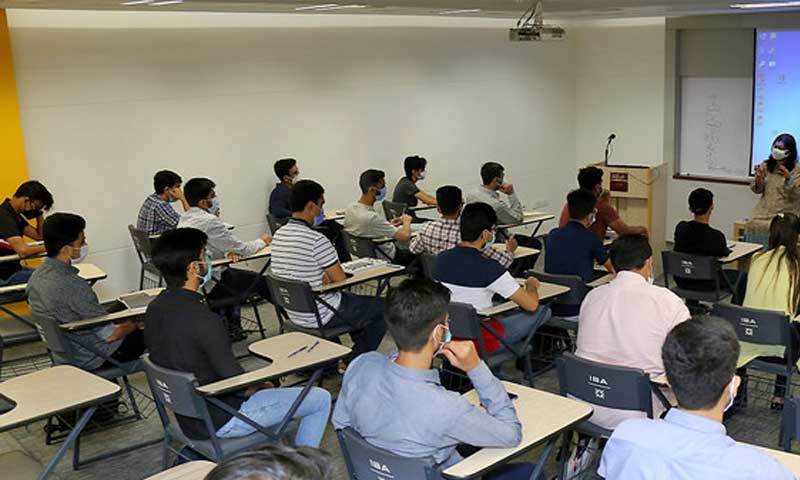
The resumption of HEC physical classes will significantly impact the daily lives of Pakistani citizens, particularly students and professionals. For urban and rural students, this means a return to structured classroom environments, fostering improved engagement and access to practical learning resources. Consequently, the quality of higher education is poised for enhancement, providing graduates with more robust skill sets. This strategic shift facilitates crucial face-to-face interaction with faculty and peers, which is indispensable for critical thinking and collaborative project development. Furthermore, it stabilizes academic calendars, enabling students to plan their careers and educational trajectories with greater precision, reducing uncertainty for households nationwide.
The Forward Path: A Momentum Shift for Educational Stability
From an architectural perspective, this development unequivocally represents a Momentum Shift for Pakistan’s higher education sector. It signifies a strategic re-establishment of foundational academic processes. The HEC’s directive provides a clear baseline for institutional operations, enabling universities to optimize resource allocation and calibrate their educational offerings for sustained excellence. This move is not merely a return to normalcy; it is a calculated advancement towards a more resilient and efficient national learning infrastructure, critically positioning Pakistan for future intellectual capital development.








