

President Donald Trump’s administration is implementing a significant recalibration in its Iran War Strategy, indicating a willingness to de-escalate ongoing conflict even if the strategically vital Strait of Hormuz remains obstructed. This shift prioritizes degrading Iran’s naval and missile capabilities through targeted actions, subsequently transitioning towards diplomatic engagement. Consequently, Washington seeks to restore the “free flow of trade” via non-military means, potentially tasking European and Gulf allies with reopening the critical Gulf corridor should diplomacy falter. This strategic pivot aims to mitigate the protracted conflict timeline, which initially projected a four-to-six-week military campaign.
The Translation: Deconstructing the Strategic Re-evaluation
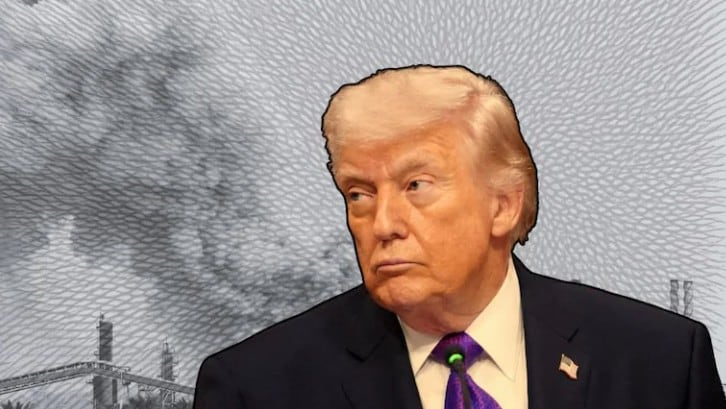
The core logic behind this refined approach stems from a critical assessment by Trump and senior aides. They determined that a large-scale military mission focused solely on physically reopening the Strait of Hormuz would significantly extend the conflict duration. Instead, the US leadership now believes a more efficient and calibrated approach involves systematically dismantling Iran’s immediate military threat—specifically its naval assets and missile stockpiles. This establishes a baseline of reduced Iranian capacity, creating a more favorable environment for subsequent diplomatic pressure. Furthermore, this structural adjustment indicates a shift from kinetic engagement to a more nuanced application of strategic influence, aiming for long-term stability rather than short-term tactical victory at disproportionate cost.
The Socio-Economic Impact: Calibrating Daily Life in Pakistan
This evolving Iran War Strategy carries tangible implications for Pakistani citizens. A prolonged, high-intensity conflict in the Gulf region would inevitably lead to further spikes in global crude oil prices and increased shipping insurance premiums. For Pakistani households, this translates directly into higher fuel costs, increased prices for imported goods, and inflationary pressures. Students and professionals relying on stable supply chains and affordable transportation would face heightened economic strain. Conversely, a de-escalation, even without the immediate full reopening of Hormuz, offers a measure of stability. It could prevent further escalation of oil prices and stabilize global trade routes, thus moderating the economic impact on both urban and rural Pakistan. Moreover, Pakistan’s proactive role in facilitating indirect diplomatic contacts positions it as a regional stabilizer, potentially enhancing its geopolitical standing.
Operational Realities and Diplomatic Pathways
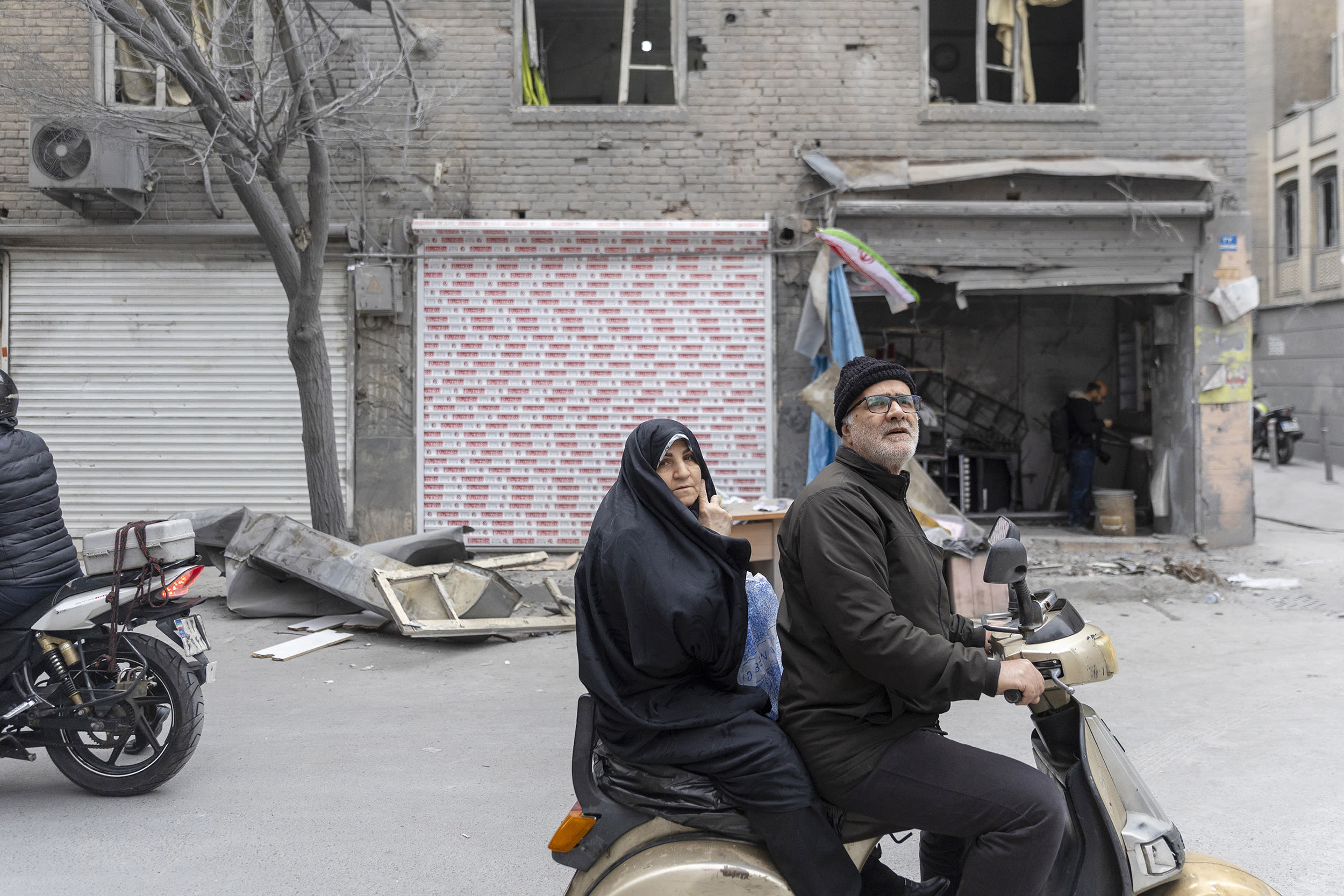
Despite the US intent to end active combat, the Hormuz Strait Closure remains a critical variable. Current data shows crude oil prices exceeding $102 per barrel, with Gulf shipping insurance premiums having tripled since early March. Analysts on X have observed that a formal cessation of hostilities will not automatically restore global oil flows or alleviate supply chain vulnerabilities. Tanker freight rates are projected to remain elevated, despite growing interest in US energy exchange-traded funds. Consequently, the challenge of securing maritime trade through Hormuz persists as an economic and strategic impedance.
Concurrently, indirect diplomatic channels between Washington and Tehran have seen consistent engagement, notably with Pakistan serving as a vital communication facilitator. Iran has presented five specific conditions for a ceasefire, which include an immediate halt to attacks and compensation for damages. In contrast, US negotiators introduced a 15-point demand notice, which Tehran decisively rejected, terming it ‘illogical’. This divergence underscores the complex nature of achieving a mutually acceptable resolution.
The “Forward Path”: A Strategic Stabilization Move

This development represents a Stabilization Move rather than an outright Momentum Shift. President Trump’s revised strategy appears designed to declare a strategic success by de-escalating military confrontation and emphasizing diplomatic pathways to reopen the Persian Gulf to trade, even if the comprehensive resolution of the conflict remains distant. The focus on degrading Iranian capabilities first indicates a measured, calculated withdrawal of immediate military escalation, aiming to reduce the kinetic intensity of the conflict. However, the ongoing closure of Hormuz and the significant divergence in diplomatic demands suggest that while the immediate military temperature may cool, underlying structural challenges to regional stability and global energy flows persist. Therefore, this calibrated pivot is about managing risk and maintaining strategic posture, not a definitive resolution.








