

Advancing urban infrastructure is a strategic imperative for Pakistan’s national progression. The escalating Kutchery Chowk project cost in Rawalpindi highlights the dynamic challenges and calibrated adjustments necessary for significant public works, directly impacting systemic efficiency and citizen mobility.
The Kutchery Chowk remodeling project in Rawalpindi faces a significant financial revision, with its cost now projected to escalate from Rs. 14 billion to Rs. 19 billion. This structural adjustment follows the Communication and Works Department’s preparation to submit a revised PC-I to the Planning and Development Board. This increase in the Kutchery Chowk project cost is primarily driven by critical enhancements, including the integration of pedestrian bridges, expanded land acquisition for wider roads, aesthetic upgrades, and the strategic relocation of essential utility services.
Deconstructing the Kutchery Chowk Project Cost Escalation
Understanding the Revised PC-I Proposal
The Communication and Works Department is preparing to present a revised PC-I (Planning Commission Proforma-I) for the Kutchery Chowk project cost increase to the Planning and Development Board. This revision is not merely an arbitrary figure but a meticulously calculated adjustment. A senior official from the Punjab Highway Department confirmed the finalization of this revised document, which will soon proceed for formal endorsement. Consequently, this formal submission initiates the next phase of governmental approval, ensuring transparent oversight of public funds.
Structural Drivers Behind the Increased Investment
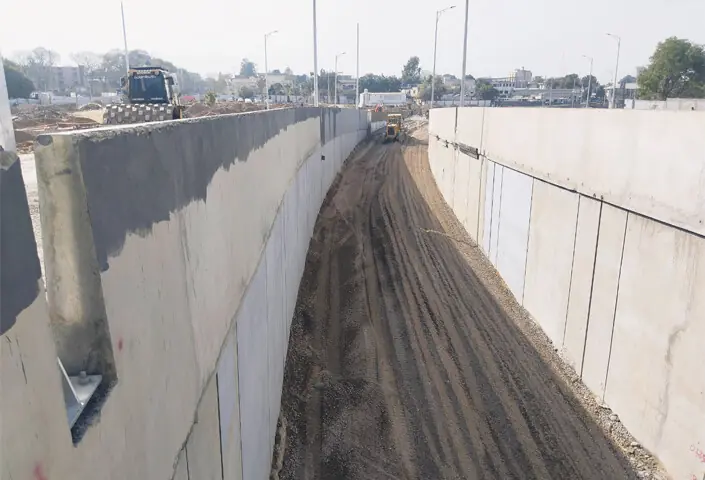
Several precise factors contribute to this augmented project valuation. Fundamentally, the addition of new pedestrian bridges alone accounts for over Rs. 1.5 billion, enhancing pedestrian safety and movement. Furthermore, the project necessitated expanded land acquisition to facilitate wider roads and more efficient curves, optimizing traffic flow. Aesthetic enhancements for underpasses and flyovers also factored into the revised budget, alongside the complex process of relocating utility services into a dedicated service corridor. These elements collectively reflect a comprehensive approach to modernizing urban infrastructure.
Calibrating Daily Life: The Socio-Economic Impact in Rawalpindi
This significant investment in Rawalpindi’s infrastructure profoundly affects the daily life of Pakistani citizens. For students and professionals navigating the city, the widened roads and improved traffic flow promise substantially reduced commute times. This operational efficiency translates directly into more productive hours, alleviating congestion that previously hindered urban mobility. Moreover, the integration of dedicated pedestrian bridges provides safer crossings, a critical advancement for families and individuals alike. This structural upgrade aims to enhance the overall quality of urban living, providing a smoother, safer transit experience.
The Forward Path: A Strategic Momentum Shift
This development unequivocally represents a Momentum Shift for Rawalpindi’s urban landscape. While the increased Kutchery Chowk project cost demands rigorous fiscal management, the enhancements are strategic. The integration of pedestrian infrastructure and optimized traffic solutions moves beyond mere maintenance; it signifies a calibrated commitment to future-proof urban mobility. This decisive action establishes a new baseline for infrastructural ambition, positioning Rawalpindi for sustained growth and improved systemic efficiency.
Engineers implemented minor, yet precise, adjustments to the design of roads, underpasses, and flyovers, specifically targeting improved traffic flow. Although the core design remains consistent, authorities widened key sections to significantly enhance functionality. Started in October 2025 with an initial deadline of April 30, the project is now over 80 percent complete. Superintendent Engineer Ashfaq Sulehri from the Punjab Highway Department confirmed the revised Rs. 19 billion valuation and the impending PC-I submission. Notably, authorities do not anticipate any further changes to the project scope, signaling a stable completion trajectory.








