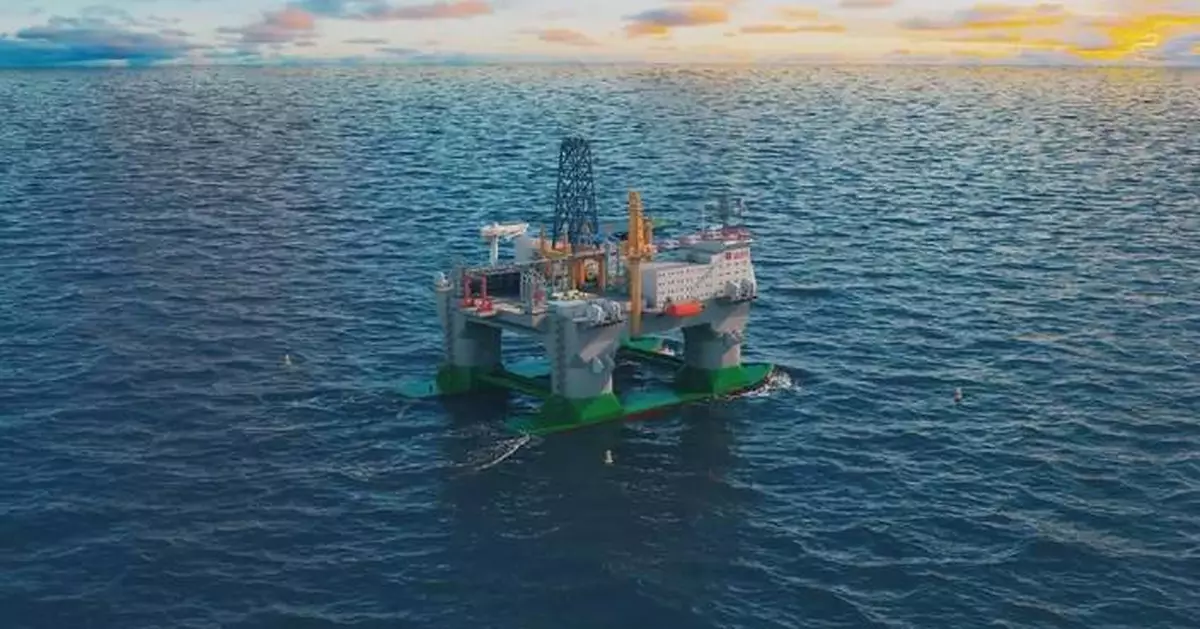
China has strategically launched the “Open-Sea Floating Island,” the world’s inaugural ultra-large marine research platform. This monumental project, a national science and technology infrastructure initiative, is engineered to revolutionize scientific exploration in marine equipment, resources, and science. This advanced Deep-Sea Research Platform provides unprecedented capabilities for understanding our oceans, marking a significant structural advancement in global marine research.
Unpacking the Engineering Behind Ocean Exploration
The “Open-Sea Floating Island” project represents a calibrated effort to establish a permanent, deep-sea research presence. Essentially, this facility functions as a mobile, all-weather laboratory designed for sustained scientific inquiry. Its core purpose is to provide an infrastructure where scientists can rigorously test and develop marine technologies. The underlying logic is clear: to push the boundaries of oceanic understanding, we require dedicated platforms capable of operating in extreme conditions for extended durations.
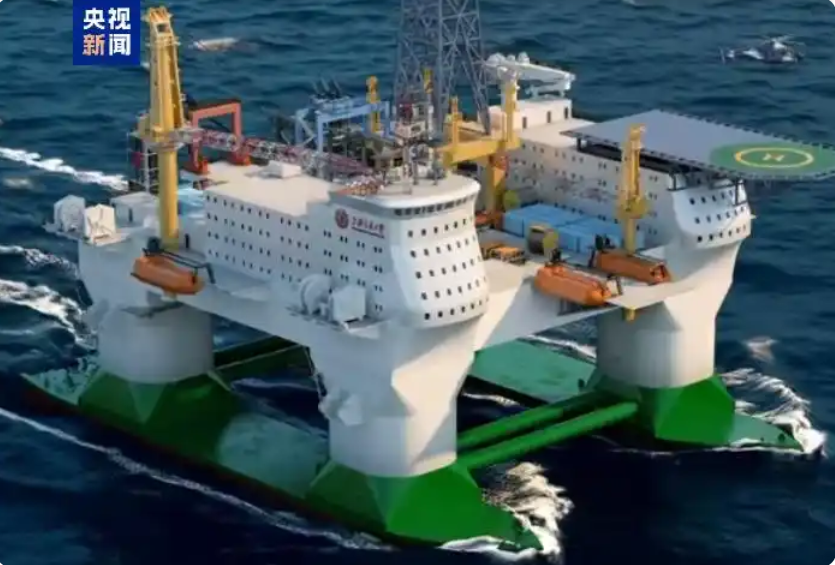
Structurally, the facility integrates three critical systems: a primary platform, ship-based laboratories, and comprehensive shore-based support. The primary platform itself employs an innovative semi-submersible twin-hull design. This architectural choice is crucial; it ensures stability and allows for the full-scale testing of massive deep-sea equipment, weighing hundreds of tons. Consequently, the platform facilitates scientific exploration at astounding depths, reaching up to 10,000 meters below the surface. This structural integrity is paramount for validating future deep-sea mining systems and other vital marine technologies.
Pakistan’s Stake in Global Marine Advancements
While situated globally, the operational success of this Deep-Sea Research Platform offers critical baseline data and technological precedents that can strategically inform Pakistan’s own marine initiatives. For Pakistani students and professionals, particularly in fields like oceanography, engineering, and environmental science, these advancements signify new horizons for collaboration and knowledge transfer. The platform’s capacity to refine typhoon forecasting, for instance, has direct implications for disaster prevention and mitigation strategies in coastal regions, safeguarding urban and rural communities alike. Moreover, accelerated commercial development of marine resources, informed by such research, could eventually translate into sustainable economic opportunities, ranging from fisheries management to energy exploration, impacting household stability and growth.
A Catalytic \”Momentum Shift\” for Ocean Science
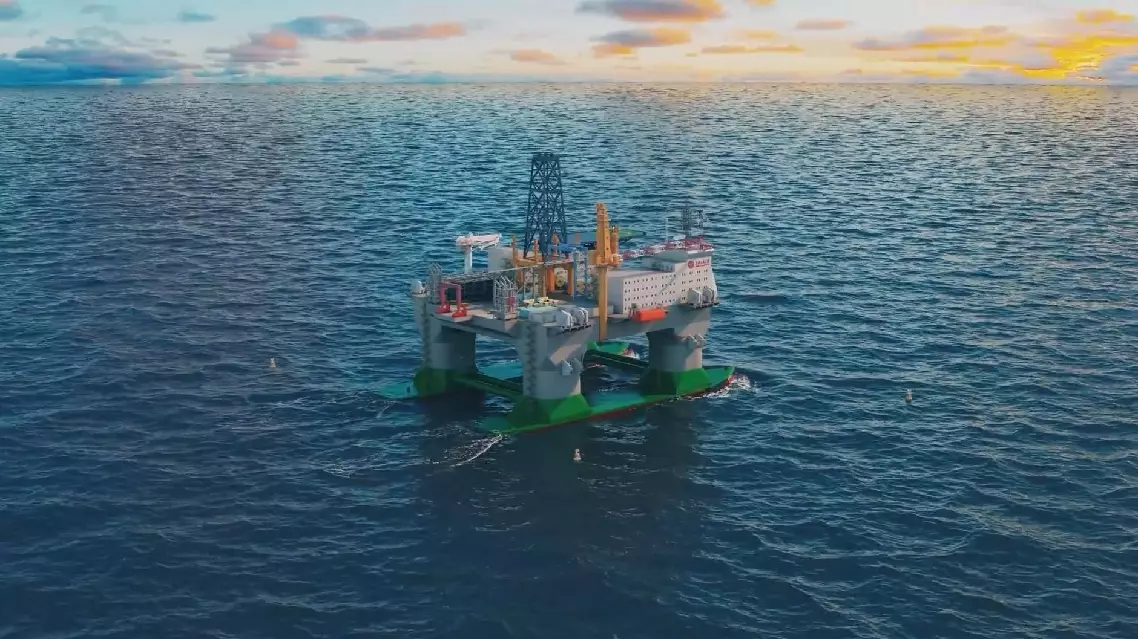
This initiative unequivocally represents a Momentum Shift rather than merely a stabilization move. The “Open-Sea Floating Island” is not just an incremental improvement; it is a foundational, structural investment in next-generation ocean science. Its multi-faceted capabilities – from deep-sea mining system validation to enhancing typhoon prediction – position it as a catalyst for future global innovation. By providing an unparalleled testbed and research facility, it will accelerate discoveries and applications in marine ecosystems, resource management, and even the fundamental understanding of life’s origins. This precision-engineered platform sets a new global baseline for marine research infrastructure, demanding attention from nations aspiring to lead in scientific exploration.