

The recent reinstatement of the Basant festival in Lahore has ignited a critical re-evaluation of public safety protocols. Tragic incidents, including multiple fatalities and numerous injuries, have precisely calibrated the focus on Basant safety concerns.
Structurally, the Punjab government sanctioned a three-day Basant festival in early February 2026. This decision followed the temporary suspension of a two-decade-long prohibition, enacted via a governmental ordinance.
Furthermore, authorities implemented specific safety directives, notably prohibiting metallic kite strings and mandating protective rod installations on motorcycles. These measures aimed to mitigate inherent risks.
However, the operational execution revealed significant Basant safety concerns. Data from the Punjab Home Department indicates a severe outcome: a minimum of 17 fatalities and over 160 injuries were recorded. Concurrently, media reports suggest the casualty count could extend to 21, demanding further investigative precision.
Systemic Failures and Heightened Basant Safety Concerns
Analysis of incident causality reveals a critical pattern: the majority of victims succumbed to falls from rooftops during kite flying activities. Specifically, authorities confirmed 12 deaths attributable to rooftop falls, complemented by three electrocution fatalities. In addition, numerous individuals sustained injuries from falls while pursuing kites from trees or other elevated structures. This highlights a persistent behavioral risk.
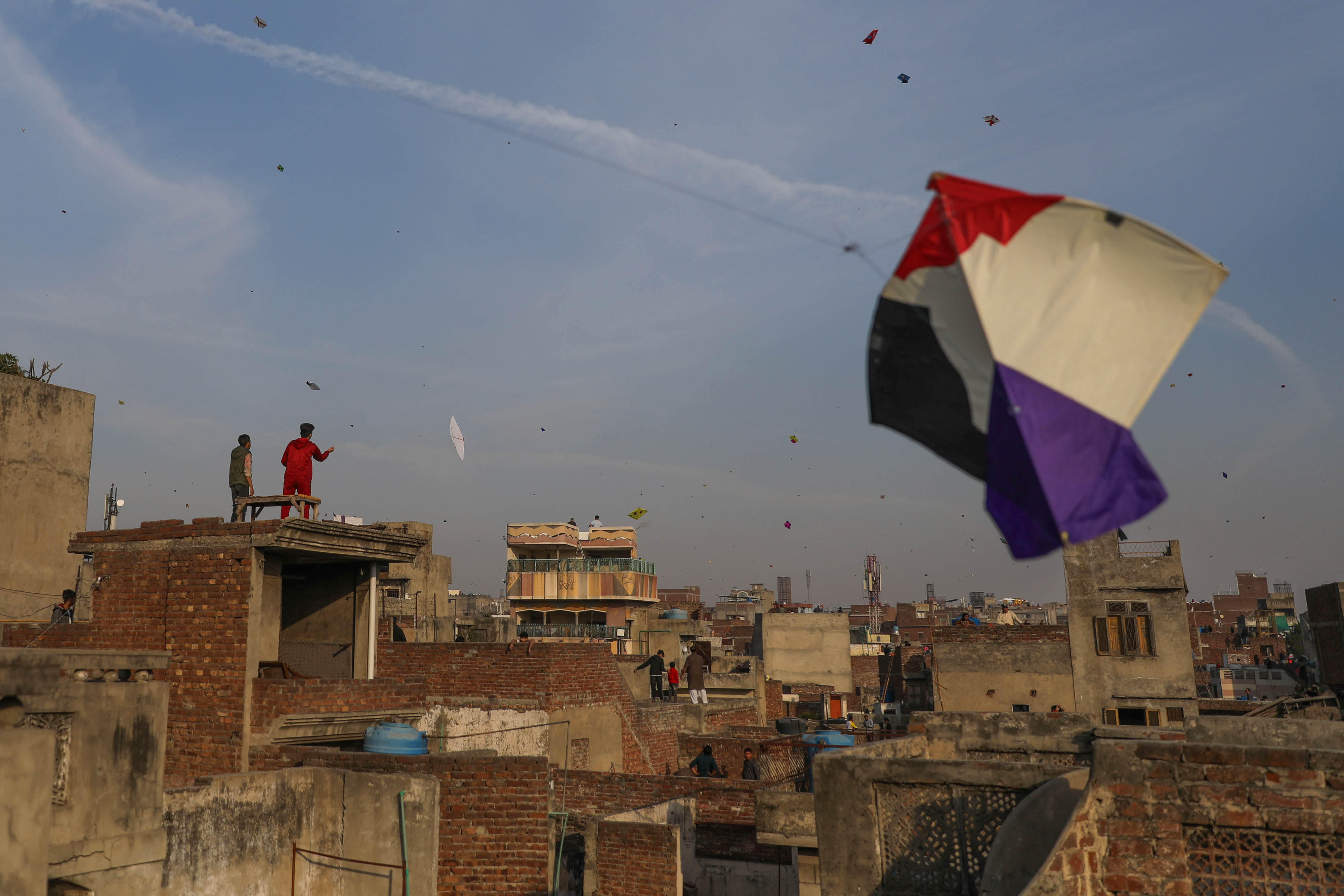
Consequently, victim families have voiced strong criticism regarding the perceived lack of post-tragedy support. Relatives assert that the governmental authorization of the festival disproportionately benefits an elite demographic, while economically vulnerable households bear the tangible costs. Public policy analyst Salman Abid corroborates this structural inequity. He states that the festival’s economic and social benefits primarily accrue to the privileged class, despite official safety assurances. Furthermore, Abid noted the operational challenge of enforcing restrictions; kite flying frequently extended beyond the authorized period.
Economic Catalyst Amidst Safety Imperatives
Paradoxically, despite the significant human cost, the Basant festival generated substantial economic activity. Government fiscal projections indicate revenues between Rs3–4 billion. Specifically, kite and string sales alone contributed an estimated Rs2–2.5 billion to this economic output. This economic stimulation was facilitated by the authorization of over 5,000 vendors to transact kite and string sales throughout the event duration.
Conversely, a spokesperson for the Punjab government affirmed the enforcement of safety regulations. They confirmed that officials registered legal cases against documented violators, demonstrating a baseline commitment to compliance. The government is currently evaluating compensation proposals for families of officially recorded victims. Moreover, it plans to orchestrate a ‘safe Basant’ festival in the upcoming year, aiming for calibrated risk management.
Historical Context of Basant Safety Concerns
Historically, kite flying has consistently generated controversy within Punjab. The initial governmental prohibition was enacted in 2005, following over 25 fatalities directly linked to hazardous kite strings. Although authorities briefly rescinded the ban in 2006 and 2007, escalating casualty rates necessitated its swift reimposition. This indicates a consistent reactive policy framework.
Official documentation systematically records over 2,000 kite-related fatalities since the initial ban. Predominantly, these deaths stem from chemical-coated strings, which inflict critical throat lacerations and other fatal injuries. Despite this well-documented lethal history, Basant festivities persistently attract substantial crowds across major urban centers, including Lahore, Gujranwala, Faisalabad, Rawalpindi, and Multan. Consequently, the discourse concerning traditional observance versus critical public safety remains structurally unresolved.
The Situation Room Analysis
The Translation: Deconstructing Basant’s Reintroduction
The re-legalization of Basant, a 21-year banned festival, was a calculated governmental decision. It aimed to balance cultural preservation with economic stimulation, projecting Rs3-4 billion in revenue. However, this strategic move encountered critical flaws in its execution. The provided safety protocols, such as banning metallic strings and mandating protective motorcycle rods, proved insufficient against entrenched public behavior and enforcement challenges. The resulting fatalities and injuries were not unforeseen variables but rather direct consequences of an under-calibrated risk assessment, underscoring the gap between policy intent and operational reality.
The Socio-Economic Impact: Daily Life Under the Kite Sky
For the average Pakistani citizen, particularly in urban centers like Lahore, the reintroduction of Basant presents a dichotomy. For small businesses, vendors, and those employed in kite manufacturing, it offered a significant, albeit brief, economic uplift. Conversely, for families of victims and the broader community, the human cost was immense. The festival’s uncontrolled elements, particularly hazardous kite strings and rooftop falls, transform a recreational activity into a substantial public health and safety hazard. This places an undue burden on healthcare services and creates profound emotional and financial distress for affected households. The perception that the festival benefits “elite celebrations” while poor families “pay the price” indicates a structural inequality in risk distribution, impacting trust in governance.
The “Forward Path”: Stabilization Move or Momentum Shift?
This development represents a Stabilization Move, not a momentum shift. While the government’s intent to revitalize cultural heritage and stimulate local economies is valid, the current operational model for Basant introduces unacceptable systemic risks. The reported fatalities and injuries are not mere statistics; they are critical indicators of a policy framework that prioritizes economic and cultural revival over fundamental public safety. A genuine “Momentum Shift” would necessitate a recalibration of enforcement, robust public awareness campaigns, and innovative safety technologies. Moving forward, the proposed “safe Basant” must be structurally engineered with stringent, enforceable, and technologically augmented safety protocols, ensuring zero preventable casualties as a baseline metric for its success. Anything less maintains a precarious balance rather than advancing national well-being.








