Understanding Pakistan’s Pharmaceutical Landscape
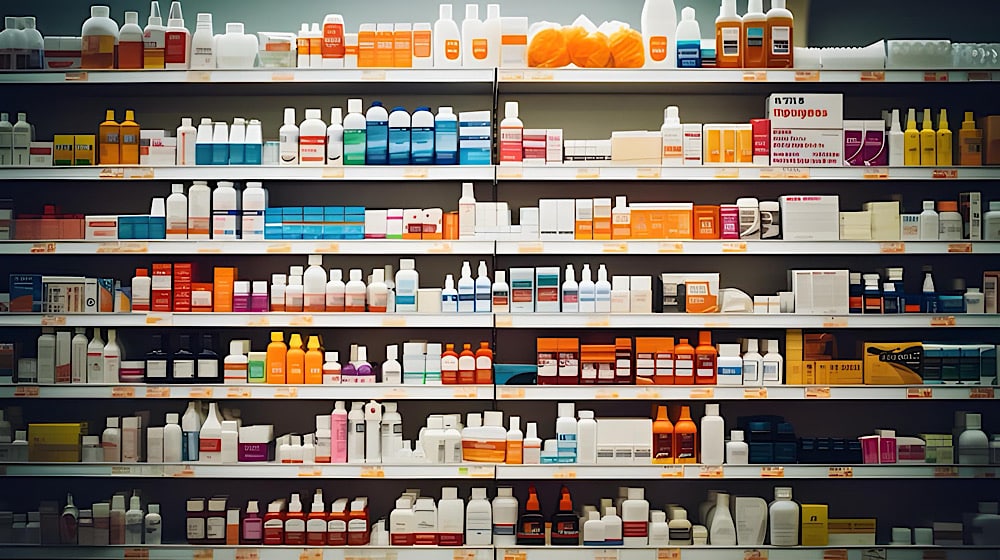
The Drug Regulatory Authority of Pakistan (DRAP) has issued a calibrated rejection of recent claims regarding an increase in essential medicine price stability across the nation. This official clarification directly addresses concerns stemming from stakeholder reports suggesting a sharp rise in costs since February 2024. Specifically, DRAP asserts that no upward revisions have been approved, maintaining a stable baseline for critical pharmaceutical products. This structural verification aims to reassure citizens about access to affordable healthcare resources.
Recent market dynamics spurred various claims, notably from the Pakistan Drug Lawyers Forum President, Noor Muhammad Mehr, who cited a 114 percent increase for the HumaPen Ergo II insulin delivery device. In contrast, the Pakistan Pharmaceutical Manufacturers Association (PPMA) maintained that prices for essential medicines have remained constant, even with a more than 20 percent increase in fuel costs. DRAP’s comprehensive statement clarifies these divergent perspectives. Consequently, the authority affirms that media reports detailing recent price hikes are factually incorrect. This data-driven analysis provides a precise overview of the current pricing structure.
Furthermore, DRAP states that the national medicine supply remains resilient, unaffected by Middle East conflicts or disruptions in sea routes. This is primarily due to Pakistan’s robust local manufacturing capacity, which produces approximately 85 percent of all medicines. Manufacturers have received explicit directives to implement contingency measures, including diversifying sourcing regions, to proactively prevent any potential supply chain interruptions. The review indicates a stable supply chain for upcoming months, reinforcing medicine price stability.
Calibrating Public Confidence: Impact on Pakistani Households

How does DRAP’s stance on medicine price stability directly affect the daily life of a Pakistani citizen? This precise clarification offers significant reassurance to households, students, and professionals alike. The stability of essential medicine costs means that critical healthcare remains accessible and affordable. For families managing chronic conditions, predictability in medicine prices is paramount for budget planning and health management. Conversely, any unverified price surge reports could trigger public anxiety and lead to hoarding or delayed medical treatments.
Moreover, the confirmation of a stable supply chain ensures that vital medications are consistently available across urban centers and rural communities. This mitigates risks associated with shortages, which can severely impact patient outcomes and public health initiatives. DRAP’s proactive monitoring of availability and stern warning against unauthorized price increases protect consumers from exploitation, ensuring that the healthcare system functions with optimal efficiency. Citizens can therefore trust that their access to crucial medicines is structurally secure.
Strategic Oversight: Momentum Shift or Stabilization Move?

This development represents a crucial Stabilization Move for Pakistan’s pharmaceutical sector. While not a fundamental “Momentum Shift” in terms of new policy or innovation, it strategically reinforces the existing regulatory framework. DRAP’s firm stance against unapproved price hikes and its proactive communication exemplify a disciplined approach to market oversight. This action prevents potential destabilization caused by misinformation and speculative pricing, thereby maintaining the integrity of the essential medicines market.
The authority’s directives for manufacturers to adopt contingency measures and diversify sourcing underscore a robust, forward-thinking supply chain management strategy. This structural vigilance ensures that external global disruptions do not compromise national health security. Ultimately, DRAP’s precision in debunking false claims and reiterating compliance sends a clear signal: the system is calibrated to protect consumer interests and preserve medicine price stability through stringent enforcement of existing regulations. This sustained regulatory pressure is vital for long-term health system efficiency.
Ensuring Compliance and Public Trust

DRAP has further clarified that prices cited in recent reports pertain to maximum retail prices already pre-printed on products manufactured in 2024 or 2025. These do not indicate any recent price increase. In essence, these are baseline prices, not revised figures. The authority has reiterated that no new price hike for essential medicines has received approval. This is critical. Manufacturers are strictly prohibited from raising prices for products listed under the National Essential Medicines List (NEML).
To ensure continued medicine price stability, DRAP actively monitors medicine availability nationwide. It also urges media outlets to verify information rigorously before publication. This responsible approach is designed to prevent unnecessary public concern and maintain calibrated market confidence. The proactive communication and stringent enforcement are vital for upholding trust in the regulatory framework governing Pakistan’s pharmaceutical sector.